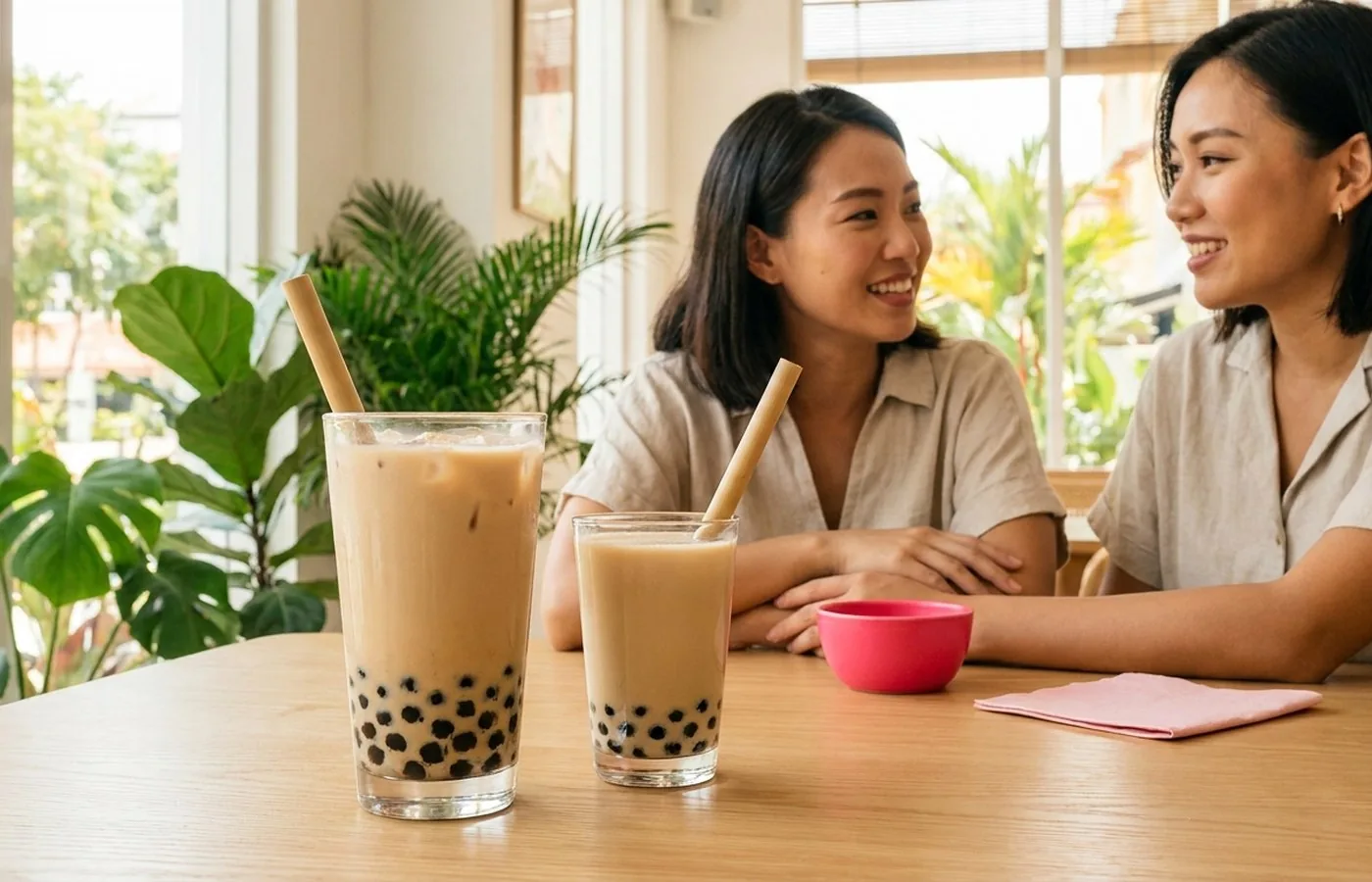
Bubble tea is easy to underestimate because it feels like a treat and a drink at the same time. One cup can be tea, milk, syrup, pearls, jelly, cream, and a big serving size all in one hand. That does not mean every bubble tea is dangerous. It does mean the usual version can pack a surprising amount of sugar and calories, which matters if you drink it often or already have problems with blood sugar.
Key points
- Bubble tea does not give someone diabetes overnight, but frequent high-sugar drinks can make blood-sugar control and weight management harder.
- Large cups with full sugar, toppings, and creamy add-ons are the versions most likely to cause trouble.
- People with diabetes or prediabetes should be especially careful with portion size, sugar level, and how often they buy it.
- A smaller cup, less sugar, fewer toppings, and fewer visits can turn bubble tea back into an occasional treat instead of a daily habit.
Why bubble tea gets this reputation in the first place
When people hear “bubble tea diabetes,” they are usually reacting to the amount of sugar that can hide inside a normal order. A sweet milk tea with pearls is not just flavoured tea. It may include syrup, sweetened milk, chewy starch pearls, jelly, whipped toppings, or other extras that turn the drink into something closer to dessert. If you finish one quickly, your body gets a large load of fast-digesting carbohydrate without much fibre to slow it down.
That still does not mean bubble tea is a direct cause of diabetes by itself. Type 2 diabetes usually develops over time through a mix of genetics, body weight, activity level, sleep, food habits, and long-term blood-sugar strain. One drink is not the whole story. The issue is what happens when a very sweet drink becomes normal three or four times a week, or even once a day, on top of an already heavy diet.
It helps to think of bubble tea the same way you would think about other sugary drinks. The body often does not register drink calories as filling in the same way as solid food. That makes it easy to have a full meal and a sweet drink without noticing how much total energy you just added. If you are already trying to build steadier meals, the Balanced Meal Builder is a simple way to compare a dessert drink habit with a plate that keeps you full.
What in one cup can push blood sugar up so fast
The biggest issue is usually the combination, not one magical bad ingredient. Sweetened tea gives fast sugar. Pearls are mostly starch. Flavoured powders and syrups add more sugar. Bigger cup sizes make everything easier to overdo. Even fruit versions can be very sweet if they are built on syrup rather than actual fruit.
That is why a “less sugar” order can help, but it does not fix everything on its own. If the cup is still huge and loaded with toppings, the drink may still be a heavy hit. Cutting back works best when you change more than one thing at once: smaller size, less sugar, and fewer extras.
For people who want a practical rule, treat bubble tea like dessert rather than hydration. Your normal drink through the day should still be water, plain tea, or something much lighter. The Hydration Planner can help if sweet drinks have slowly replaced water in your routine.
Another useful question is what usually comes with the drink. If bubble tea is paired with fried snacks, late dinners, or big takeaway meals, the whole pattern matters more than the drink alone. That is where sensible eating-out habits, like the ones in our hawker-centre guide, become more useful than obsessing over one ingredient.
Use this as a starting point, then adjust for your body, conditions and professional advice. A plan is useful only when it responds to you.
Who should be extra careful with bubble tea
If you already have diabetes, prediabetes, insulin resistance, or a family history that worries you, bubble tea deserves a little more respect. A sweet drink can raise blood sugar quickly, and that may be harder to manage than a meal with protein, fibre, and a slower pace of digestion. It does not mean you can never have it. It means portion and frequency matter a lot more.
People trying to lose weight should also pay attention because drinks are easy to forget when you think back over the day. Someone may honestly feel that they ate “quite healthy,” then forget the large milk tea with pearls in the afternoon. These small misses add up. If you are trying to understand where your calories really go, a few days of honest routine tracking with the 7-Day Habit Planner can be more useful than making dramatic promises.
Children and teenagers are another group worth thinking about. Sweet drinks can become a default very quickly when they are trendy, social, and everywhere. A regular habit built early is harder to unwind later. The goal is not fear. The goal is to stop a treat from becoming a background part of daily life.
How to think about bubble tea and diabetes more realistically
The realistic answer is that bubble tea can play a part in a diabetes-friendly or diabetes-unfriendly lifestyle depending on how often and how heavily you drink it. An occasional small cup is very different from a large full-sugar order several times a week. The body responds to patterns, not headlines.
If you love bubble tea, the best move is usually to make it smaller and less frequent instead of pretending you will never want it again. Choose the smallest size that still feels enjoyable. Lower the sugar level. Skip one topping instead of adding three. Pair it with a normal balanced meal, not another sweet snack. Those are boring changes, but boring changes are usually the ones people can keep.
If you want more grounded health reading after this, the health archive is where we are rebuilding old SHAPE topics with a bit more care and a lot less panic. Bubble tea is not a moral failure and it is not instant diabetes. It is simply one of those popular habits that becomes less harmless when the portion is big, the sugar is high, and the routine never gets checked.
More on this topic from the archive: Lower Risk Diabetes Antioxidant Rich Foods, Can Drinking Green Tea Really Lower Cancer Risk and Good Oral Hygiene Important Diabetes.
This article provides general education and is not a diagnosis or a substitute for personalised medical care. Stop exercise and seek appropriate help for severe, sudden or concerning symptoms.
Bubble Tea Diabetes: questions answered
Can bubble tea cause diabetes by itself?
+
No single drink causes diabetes on its own, but frequent sugary drinks can contribute to weight gain and poorer blood-sugar control over time.
Is sugar-free bubble tea always safe?
+
It can be a better option for some people, but portion size and starchy toppings still matter.
Can someone with diabetes still drink bubble tea?
+
Sometimes yes, but it is usually smarter to keep the portion small, reduce sugar, and discuss regular choices with a clinician or dietitian if blood sugar is difficult to control.