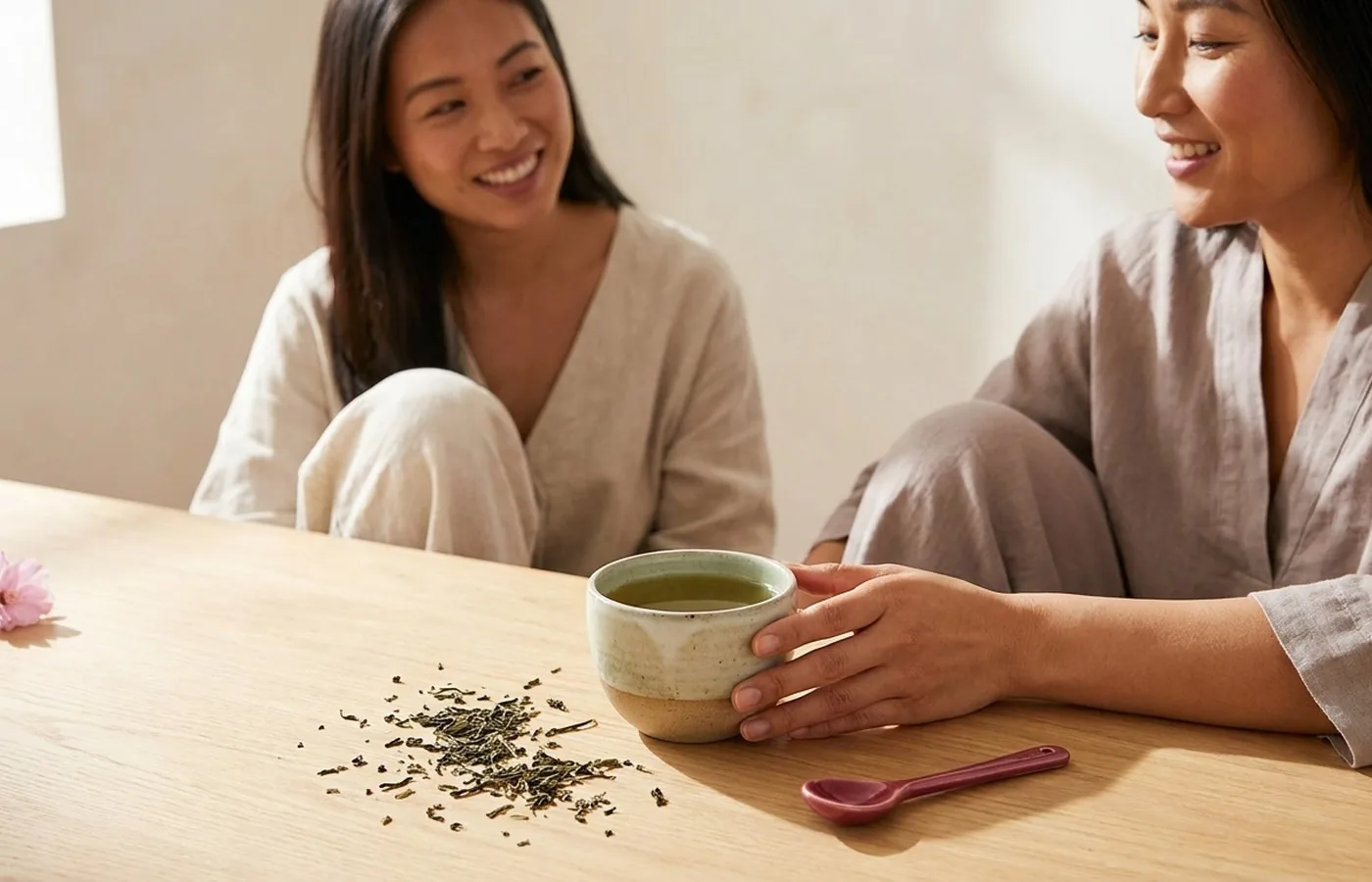
Green tea has a very healthy reputation. People talk about antioxidants, fat burning, detox, and even cancer protection as if one mug can do everything. The truth is more modest. Green tea does contain plant compounds that researchers find interesting, and some studies suggest possible benefits. But the evidence is mixed, and green tea is not a magic way to prevent cancer. It makes more sense to see it as a decent drink choice, not as an insurance policy.
Key points
- Green tea contains compounds that may support health, but research on cancer risk is mixed and not strong enough to treat it as a proven prevention tool.
- If green tea helps, the effect is likely small compared with not smoking, staying active, sleeping well, and eating a balanced diet.
- Very hot drinks may irritate the throat, so temperature matters too.
- Green tea can be part of a healthy routine, but it should not replace screening, treatment, or mainstream medical advice.
Why green tea ended up linked with cancer prevention
Green tea contains natural compounds called catechins, and these have been studied for their antioxidant and anti-inflammatory effects. That sounds promising, so it is easy to see why people jump from “interesting in research” to “protects you from cancer.” But human health is messier than one lab finding or one headline.
Some population studies have found possible links between green tea drinking and lower risk of certain cancers. Others have found little difference. Part of the problem is that tea drinkers may also have other habits that affect the result. They may smoke less, eat differently, move more, or live in a different cultural setting from the comparison group. That makes simple answers hard.
What we can say more confidently is that green tea is usually a better daily drink choice than sugar-heavy beverages. If swapping sweet drinks for plain tea helps lower overall sugar intake, that is a real health win even without making big claims about cancer. If you are trying to clean up your drink habits, the Hydration Planner is a simple place to start.
What the evidence can and cannot really tell us
The current evidence does not support saying that green tea clearly prevents cancer. It is more accurate to say researchers are interested in it, and there may be some benefit, but the effect is uncertain and probably not dramatic. That is a very different message from wellness marketing.
This matters because people sometimes lean too hard on one “superfood” habit and ignore the bigger drivers of risk. Smoking, alcohol excess, obesity, physical inactivity, poor diet quality, and skipped screening appointments matter far more. If a person drinks green tea but also sleeps badly, barely moves, and lives on ultra-processed food, the tea is not going to balance all that out.
That is why the boring habits still deserve most of the attention. A steadier routine around food, recovery, and movement helps more than looking for a miracle drink. If sleep is one of the weak points in your health routine, our sleep and recovery guide is a better investment than chasing the latest tea claim.
Use this as a starting point, then adjust for your body, conditions and professional advice. A plan is useful only when it responds to you.
When green tea may be helpful and when caution makes sense
Green tea can still be a perfectly good habit. It is low in calories if you do not load it with sugar. Some people find it soothing. Others like using it instead of afternoon sweet drinks or high-calorie coffee orders. In that practical sense, it can support better health habits even if it is not a cancer shield.
But more is not always better. Very strong extracts and supplements are a different story from ordinary brewed tea and can come with risks, especially for the liver in some cases. Drinking tea extremely hot is also not wise because frequent exposure to very hot drinks may irritate the mouth and throat. Let it cool enough to drink comfortably.
If your bigger goal is simply to become more consistent with healthy basics, the 7-Day Habit Planner helps more than another supplement stack. It keeps the focus on what you do every day, not what you hope one product will do for you.
Can drinking green tea really lower cancer risk in real life
Maybe a little, maybe not much, and certainly not enough to rely on by itself. That is the honest answer. Green tea may offer some small benefit, but if it does, the effect seems modest and hard to separate from the rest of a person’s lifestyle. Real-world cancer prevention is still built on the bigger basics: not smoking, limiting alcohol, staying active, eating well, maintaining a healthy weight where possible, and following recommended screening.
So if you enjoy green tea, drink it. It is a sensible choice for many people. Just keep the claims in proportion. Tea is not treatment. It is not a guarantee. It is not a reason to ignore worrying symptoms or skip check-ups. It is simply one decent habit among many.
If you want more measured everyday health reading after this, the health archive is the right next stop. Green tea can absolutely belong in a healthy life. It just does not need to carry promises that the evidence cannot fully support.
More on this topic from the archive: Turning Red After Drinking Alcohol Bad News Youre at a Higher Risk of Gastrointestinal Cancer, Lower Risk Diabetes Antioxidant Rich Foods and Bubble Tea Diabetes.
This article provides general education and is not a diagnosis or a substitute for personalised medical care. Stop exercise and seek appropriate help for severe, sudden or concerning symptoms.
Can Drinking Green Tea Really Lower Cancer Risk: questions answered
Does green tea prevent cancer?
+
There is no strong proof that it prevents cancer on its own, though researchers continue to study its compounds and possible effects.
Is green tea healthier than sugary drinks?
+
Usually yes, especially if you drink it plain or lightly sweetened.
Should I take green tea supplements for extra protection?
+
Not without proper advice. Supplements are not the same as ordinary tea and can carry more risk.