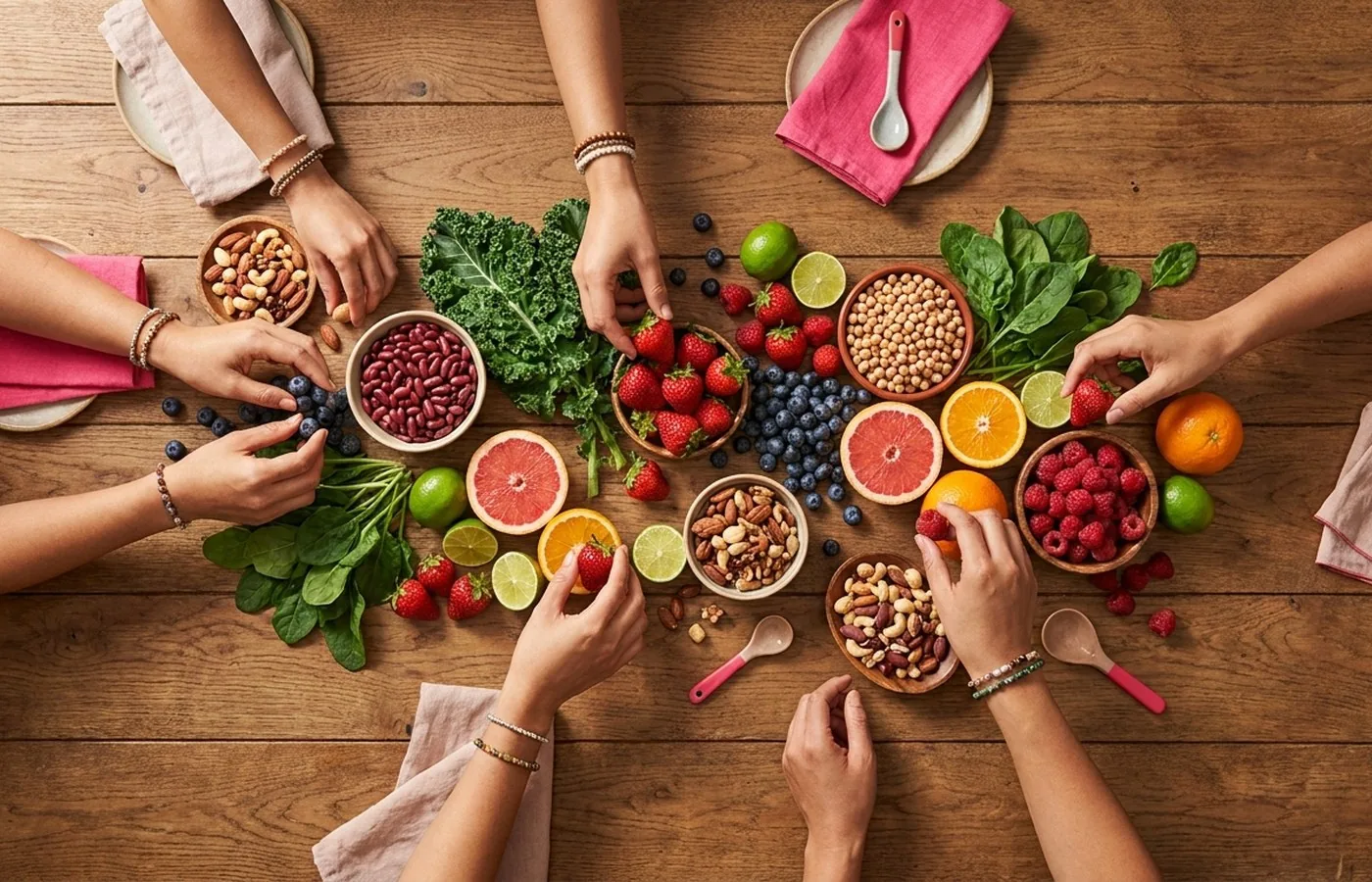
Antioxidant-rich foods sound like they should come with superhero music, but the real story is calmer than that. Foods like berries, leafy greens, beans, nuts, and colourful vegetables can be part of a healthier eating pattern. That matters. But they do not cancel out a whole lifestyle by themselves. Lowering diabetes risk is usually about the full pattern, not one magic nutrient word.
Key points
- Antioxidant-rich foods can be part of a healthy diet that supports blood sugar and overall health.
- No single food prevents diabetes on its own, even if it sounds impressive online.
- The bigger wins still come from balanced meals, healthy weight where possible, movement, sleep, and less sugary drink intake.
- If you already have diabetes or prediabetes, food choices still matter, but they work best with proper medical care and routine support.
Why antioxidant-rich foods get linked with diabetes risk
Plant foods contain many compounds that researchers study for how they may support health. That includes antioxidants. These foods also often bring fibre, vitamins, minerals, and more stable energy than heavily refined snacks or sweet drinks. So when people hear that antioxidant-rich foods may help lower diabetes risk, part of what they are really hearing is that a more plant-rich diet tends to come with other helpful changes too.
That is why the food pattern matters more than the label. Blueberries are fine. Spinach is fine. Beans are great. But if someone adds one “healthy” food to a week full of sugary drinks, poor sleep, and no movement, the bigger risk story does not change much.
If you want a simple way to build meals around the bigger pattern, the Balanced Meal Builder is a better place to start than chasing single-ingredient hype.
Which foods are worth putting on the plate more often
The useful list is not exotic. Berries, leafy greens, tomatoes, beans, lentils, nuts, seeds, oats, and many colourful vegetables all fit here. Tea and some fruits do too. The win is not that one of them is magical. The win is that they help crowd out poorer choices and often make meals more filling.
For many people, beans and lentils are especially useful because they bring fibre and substance together. Nuts and seeds can help too in sensible portions. Fruit is still a healthy choice for most people, especially whole fruit rather than juice.
Hydration matters alongside food. If sweet drinks are a big part of the week, lowering them may do more than adding one new “superfood.” The Hydration Planner can help if your normal routine still leans too heavily on sugary drinks or café extras.
Use this as a starting point, then adjust for your body, conditions and professional advice. A plan is useful only when it responds to you.
What matters more than one healthy food list
The big things still matter most. Regular movement helps. Better sleep helps. Less weight gain over time may help. So does a steadier eating pattern with fewer big sugar hits and more real meals. That is why diabetes risk is not really a berries problem or a spinach problem. It is a pattern problem.
If your days are stressful and your eating swings all over the place, that also shapes the picture. Our sleep and recovery guide is useful because poor sleep can affect cravings, hunger, and energy. The 7-Day Habit Planner can help too if you want to make one or two small changes stick instead of trying to rebuild everything in one weekend.
This does not make antioxidant-rich foods unimportant. It just puts them in the right place. They help most when they live inside a wider routine that makes sense.
How to think about lower risk diabetes antioxidant rich foods
The healthiest way to use this idea is to stop hunting for a miracle food and start upgrading the average week. Add berries if you like them. Use beans more often. Put greens on the plate. Swap juice for water more often. Build meals that feel calmer and steadier. Those boring moves are usually what change risk the most.
If you already have prediabetes, a family history of diabetes, or blood sugar concerns, use food as one useful tool, not your only one. Get proper advice, keep up with check-ups, and pay attention to the whole routine around the plate. On a normal Tuesday, August 4, 2026, that is still the honest way to talk about risk.
The health archive keeps diabetes prevention connected to screening and whole-diet context. Lower risk diabetes antioxidant rich foods sounds catchy, but the better lesson is simple: helpful foods matter most when the rest of life stops fighting them.
More on this topic from the archive: Bubble Tea Diabetes, Can Drinking Green Tea Really Lower Cancer Risk and Good Oral Hygiene Important Diabetes.
This article provides general education and is not a diagnosis or a substitute for personalised medical care. Stop exercise and seek appropriate help for severe, sudden or concerning symptoms.
Lower Risk Diabetes Antioxidant Rich Foods: questions answered
Can antioxidant-rich foods prevent diabetes?
+
No single food can prevent diabetes on its own, but these foods can support a healthier overall diet.
What foods are best to eat more often?
+
Beans, lentils, berries, leafy greens, nuts, seeds, oats, and other colourful plant foods are solid choices.
What matters most for lowering diabetes risk?
+
The full pattern: meals, weight, movement, sleep, sugary drink intake, and overall routine.