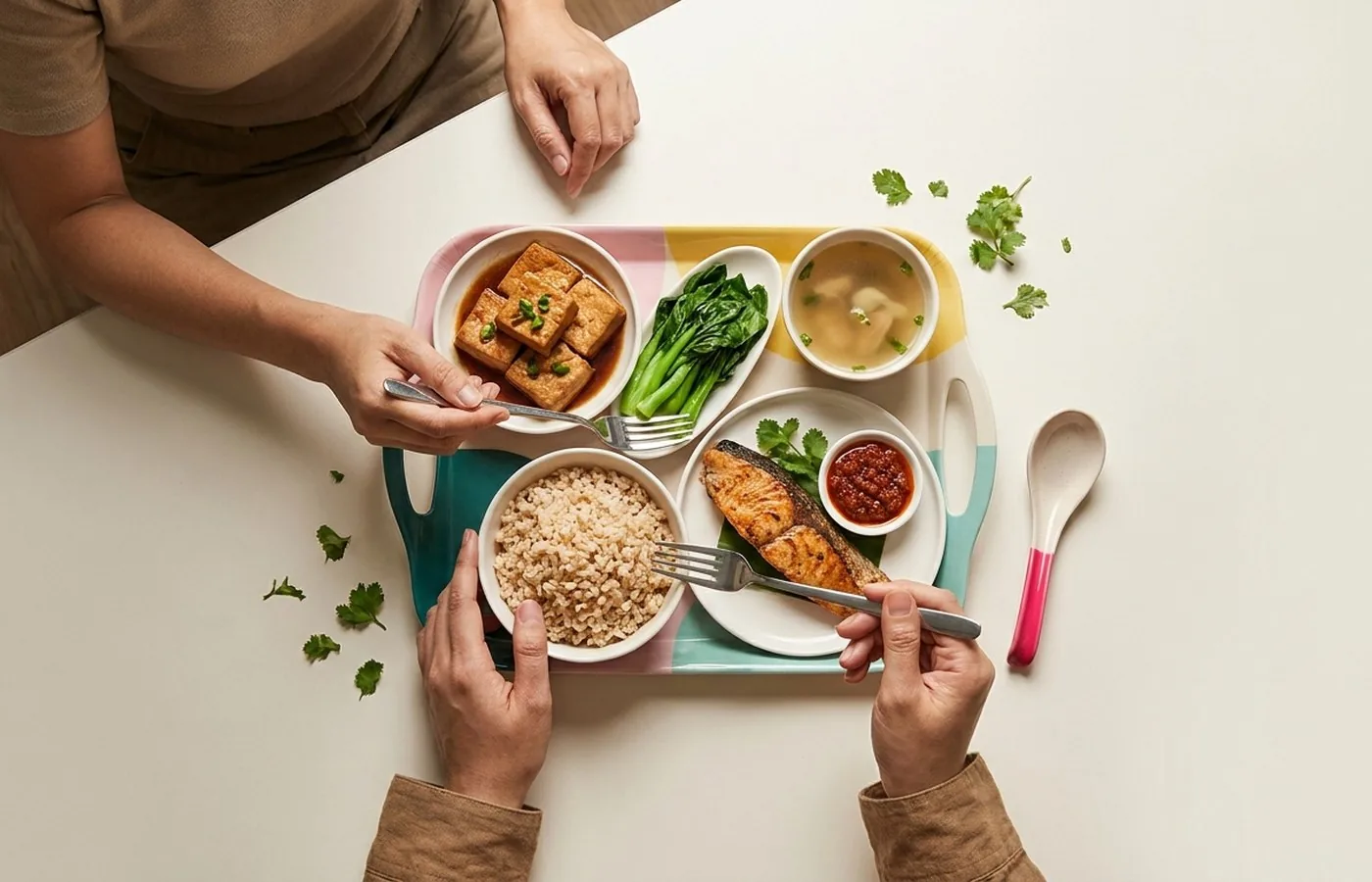
Walk into a well-stocked Japanese kitchen and you will find a handful of bottles doing an enormous amount of quiet work. None of them are flashy on their own. Together, they turn plain rice, fish, or vegetables into something that tastes finished rather than half-made.
Key points
- A handful of Japanese condiments cover salty, sour, sweet, and savoury in one shelf.
- Small amounts go a long way, so a bottle lasts longer than it looks like it should.
- These condiments work well beyond Japanese dishes once you understand their flavour role.
- Reading labels still matters, since sodium and sugar can add up fast.
Why a few good condiments change how you cook
Cooking without the right condiments often means over-salting or over-seasoning trying to chase a flavour that a single bottle could have delivered in one spoonful. Japanese cooking leans on a small set of concentrated flavours instead of a long spice list, which makes it a useful model for anyone who wants meals to taste finished without a huge pantry.
This matters for home cooking on busy weeknights especially. A simple bowl of rice, protein, and vegetables can taste like a proper meal once the right sauce is added, instead of needing a complicated recipe. If eating out is more your normal pattern, our hawker-centre meal guide covers how to build a balanced plate from food you did not cook yourself.
None of these condiments are secret health foods. They are flavour tools. Used with a light hand, they make plain, healthy food much easier to enjoy.
They are also forgiving. Unlike a recipe that needs exact measurements to taste right, a condiment shelf lets you taste and adjust as you go. That matters on a weeknight when patience is short and the goal is simply getting dinner on the table without it tasting like an afterthought.
6 essential Japanese condiments and what they do
| Condiment | What it does |
|---|---|
| Soy sauce | Salty, savoury depth for almost anything |
| Miso paste | Fermented, savoury base for soups, marinades, and dressings |
| Rice vinegar | Mild sourness that balances rich or salty dishes |
| Mirin | Sweet cooking wine that rounds out sauces |
| Sesame oil | Nutty aroma that finishes a dish rather than cooking it |
| Ponzu | Citrus and soy combined, useful as a dressing or dip |
You do not need all six to start. Soy sauce, rice vinegar, and sesame oil alone can carry a huge number of simple meals. Miso, mirin, and ponzu are worth adding once you notice you are reaching for the first three often.
Use this as a starting point, then adjust for your body, conditions and professional advice. A plan is useful only when it responds to you.
How to use these condiments without overdoing sodium and sugar
Soy sauce and miso both carry a fair amount of sodium, and mirin adds sugar alongside its sweetness. None of that makes these condiments off-limits. It just means a small spoonful used with intention works better than pouring generously out of habit.
A useful habit is building the base of a meal, rice, protein, vegetables, and adding the condiment as a finishing touch rather than a marinade soaking everything for hours. That keeps the flavour strong while keeping the sodium and sugar load more reasonable. If you want a simple way to check your usual plate, the Balanced Meal Builder can help you see where a condiment might replace a heavier sauce rather than stack on top of it.
Lower-sodium soy sauce is worth trying if you use it daily. The flavour difference is smaller than people expect, and it makes the habit easier to keep long term.
Storage matters too. Miso and soy sauce keep well in the fridge for months, while mirin and rice vinegar are fine in a cool cupboard away from direct sunlight. Buying smaller bottles at first is a sensible way to test whether a condiment earns a permanent spot before committing to a large one.
How these 6 condiments help you cook simple meals more often
The real value of a well-stocked condiment shelf is not the condiments themselves. It is what they let you skip: complicated recipes, long ingredient lists, and the temptation to just order in because home food tastes flat. A bottle of soy sauce, a jar of miso, and a splash of rice vinegar can carry a huge number of weeknight meals.
If weeknight cooking has been falling apart, our meal-prep guide pairs well with a stocked condiment shelf, since flexible building blocks need good seasoning to taste like meals. For more restored food content like this, the food hub keeps growing.
Six bottles will not make you a professional cook. They will make plain rice, fish, and vegetables taste like something you chose to eat, not something you settled for.
Can these condiments be used outside Japanese cooking?
Yes. Soy sauce, rice vinegar, and sesame oil work well in many dressings, marinades, and stir-fries beyond Japanese dishes.
More on this topic from the archive: 5 Healthy Foods You Should Eat Every Day, 8 Smart Kitchen Tips Every Home Cook Should Know and Why Peanut Butter Deserves a Regular Spot in Your Kitchen.
This article provides general education and is not a diagnosis or a substitute for personalised medical care. Stop exercise and seek appropriate help for severe, sudden or concerning symptoms.
6 Essential Japanese Condiments Worth Keeping in Your Kitchen: questions answered
Do I need all six condiments to start?
+
No. Soy sauce, rice vinegar, and sesame oil alone can carry most simple meals.
Is soy sauce too high in sodium to use often?
+
It carries a fair amount of sodium, so use it with intention rather than pouring generously, and consider a lower-sodium version if you use it daily.