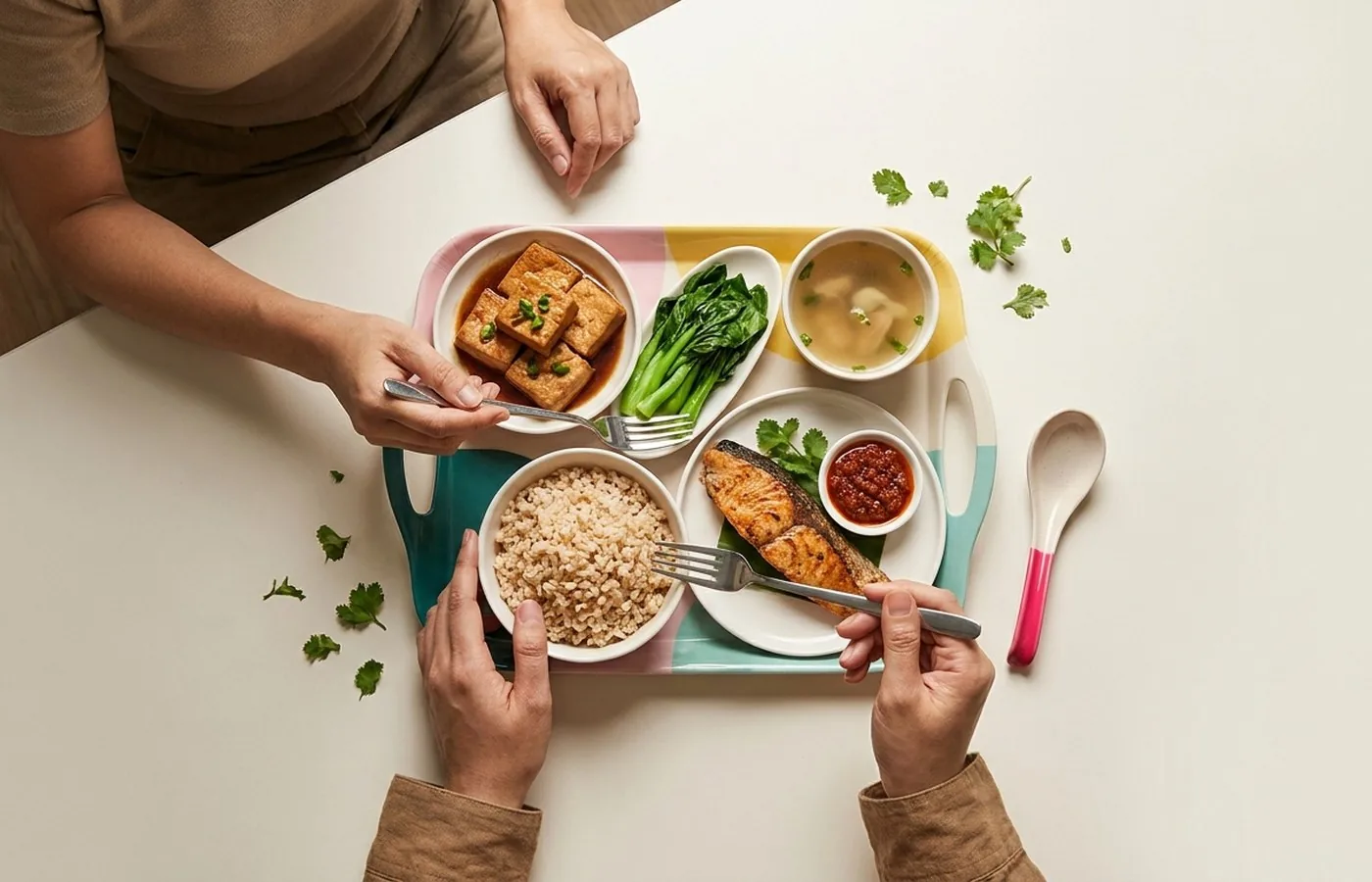
Healthy eating advice often turns into an overwhelming list of foods you should try to squeeze in somewhere. It does not need to be that complicated. A handful of everyday, easy-to-find foods, eaten consistently, cover most of what a solid diet needs. Here are five worth building a daily habit around.
Key points
- A short list of consistent foods often does more than chasing many superfoods occasionally.
- Protein, vegetables, and healthy fats are the real daily foundations.
- These foods are easy to find and do not need to be expensive.
- Consistency matters more than variety for hitting basic nutrition needs.
Why a short daily list works better than chasing superfoods
A lot of nutrition advice focuses on rare, expensive, or trendy ingredients, which makes healthy eating feel like a shopping challenge. In reality, most of the benefit of a good diet comes from a small number of everyday foods eaten regularly, not from occasionally trying an exotic berry you saw online.
The five foods below are common, affordable, and flexible enough to fit almost any cuisine or cooking style, which makes them realistic to eat daily rather than just aspirational.
There is also a psychological benefit to keeping the list short. A long list of foods you are supposed to eat every single day tends to create pressure and guilt when life gets busy. A short list is far easier to remember and repeat, which is most of the battle with everyday nutrition.
Think of this less as a checklist to tick off perfectly and more as a set of defaults, the kind of foods you reach for automatically once your kitchen and habits are set up around them.
Five foods worth eating every day
- A protein source at each meal: Eggs, chicken, fish, tofu, or legumes support fullness and muscle maintenance.
- Leafy greens or colourful vegetables: Spinach, kale, or a mix of colourful vegetables bring fibre and a wide range of vitamins.
- A source of healthy fat: Olive oil, nuts, or avocado support heart health and help you absorb certain vitamins.
- Whole grains or a fibre-rich starch: Brown rice, oats, or wholegrain bread keep you fuller than refined versions.
- Fruit: A piece or two a day adds fibre, vitamins, and natural sweetness without the extras that come with processed treats.
None of these require special shopping trips. They can be built around whatever is already available and affordable near you, whether that is a wet market, a supermarket, or a hawker stall.
Use this as a starting point, then adjust for your body, conditions and professional advice. A plan is useful only when it responds to you.
How to build these into every day
The easiest approach is to build a simple, repeatable meal template rather than planning every meal from scratch. A protein, a vegetable, a starch, and a bit of fat covers most of these five categories in one plate. The Balanced Meal Builder can help you turn that idea into an actual plate without much guesswork.
If your protein intake feels inconsistent, our guide to protein needs for active women is a useful read to understand roughly how much you need across a normal day. And if busy weeknights make cooking from scratch hard, our meal-prep guide can help you set up a repeatable system.
Consistency is the real driver here. Eating a solid version of these five categories most days will do more for your health than a perfect meal you only manage once in a while.
It also helps to keep a short mental shopping list built around these categories, so a normal grocery run naturally restocks what you need instead of leaving you improvising on a Tuesday night with an empty fridge and takeout on the mind.
Making these five healthy foods a daily habit
You do not need to eat all five perfectly every single day to see the benefit. Aim for most of them, most days, and let the occasional gap be normal rather than a reason to start over. Health comes from patterns repeated over weeks and months, not from any single perfect day.
A simple way to start is to check one meal against this list, usually lunch, since it is often the meal people default to convenience the most. If lunch already covers a protein, some vegetables, and a decent starch, you have already built a strong foundation for the rest of the day without much extra effort.
If you want more everyday food guidance like this, the food hub is where more restored guides are landing. Five healthy foods you should eat every day is really a simple template you can lean on, rather than a strict rulebook to follow perfectly.
More on this topic from the archive: 10 Healthy Snacks We Honestly Love, How to Make Healthy Granola You'll Want to Eat and 7 Best Foods to Eat When You Have Your Period.
This article provides general education and is not a diagnosis or a substitute for personalised medical care. Stop exercise and seek appropriate help for severe, sudden or concerning symptoms.
5 Healthy Foods You Should Eat Every Day: questions answered
Do I need to eat these five foods every single day without fail?
+
Most days is enough. Occasional gaps are normal and do not undo the overall pattern.
Are these foods expensive?
+
Not necessarily. Eggs, seasonal vegetables, oats, and affordable protein sources can cover most of this list.
Is fruit really necessary every day?
+
It is a helpful, easy source of fibre and vitamins, though the exact amount can vary by person.