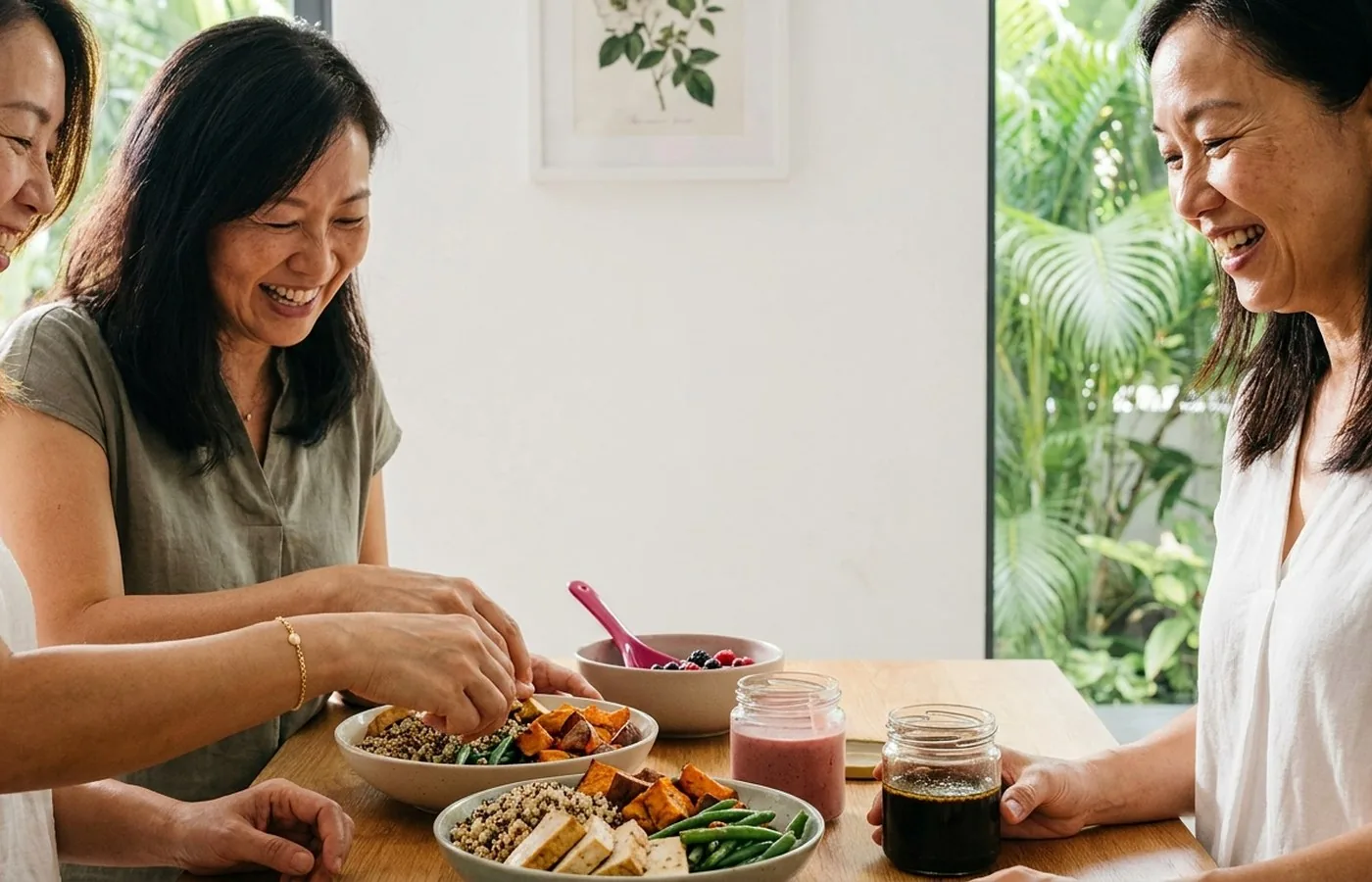
Most people do not need more recipes. They need a kitchen that works with them instead of against them on a tired Tuesday evening. A handful of small habits, mostly about how food is stored, prepped, and organised rather than how it is cooked, can make the difference between reaching for delivery and putting together a decent meal in fifteen minutes.
Key points
- A smarter kitchen setup makes healthy cooking easier, not harder.
- Batch cooking one or two staples saves far more time than it costs.
- Prepping produce right after shopping means it gets used.
- The goal is a kitchen that helps you on tired days, not just motivated ones.
Why a smarter kitchen makes healthy cooking easier
Cooking a decent meal after a long day is rarely about skill. It is about whether the ingredients are ready to go or whether you have to wash, chop, and figure out a plan from scratch while already exhausted. A kitchen set up with a little forethought removes most of that friction, which matters far more than any single recipe.
This is the same idea behind good meal prep, just applied more broadly to how the whole kitchen runs day to day, not just to one big Sunday cooking session.
A cluttered, disorganised kitchen also quietly discourages cooking in ways people do not always notice. If you cannot find a clean pan, if the counter is covered in mail and mismatched containers, or if you are not sure what is still good in the fridge, ordering delivery starts to feel like the path of least resistance almost by default.
8 tips worth building into your routine
- Batch cook a grain and a protein once or twice a week so half of most meals are already done.
- Wash and prep vegetables right after shopping, since produce that is ready to eat gets eaten far more often than produce still sitting whole in the fridge.
- Keep a stocked pantry of staples like rice, canned beans, oats, and canned fish for nights when nothing else is planned.
- Lean on one-pan or one-pot meals when energy is low, since fewer dishes means a lower barrier to cooking.
- Learn basic knife care, since a dull knife makes prep slower and less safe than a sharp one.
- Season food in layers, adding a little salt or acid at different stages rather than dumping it all at the end.
- Freeze portions of anything you cook in bulk, so future-you has a backup meal on a bad day.
- Read a recipe fully before starting, so you are not discovering a two-hour marinating step halfway through dinner.
None of these require special equipment or advanced skills. They are mostly about organisation and a little bit of planning ahead.
A well-stocked spice shelf deserves a mention too. A handful of versatile seasonings, like garlic, chilli, cumin, and a good soy sauce, can turn the same batch-cooked rice and protein into several different-tasting meals across a week, which does a lot to prevent the boredom that quietly kills a lot of good cooking habits.
Use this as a starting point, then adjust for your body, conditions and professional advice. A plan is useful only when it responds to you.
How to make these habits stick on busy weeks
Pick one or two of these tips to start with rather than trying to overhaul your whole kitchen routine at once. Batch cooking a grain and washing vegetables right after a grocery trip are usually the two with the biggest payoff for the least effort, since they directly reduce the work involved in weeknight cooking.
If weeknights are consistently the hardest part of eating well, our meal-prep guide goes deeper into building flexible components rather than seven identical containers, which tends to be easier to sustain. If routine in general has been a struggle, the Habit Planner can help you test one kitchen habit at a time.
How these kitchen tips add up to better home cooking
A smarter kitchen does not guarantee you will cook every night, and it does not need to. What it does is lower the effort required on the nights you do want to cook, which is usually the actual barrier for most people, not a lack of recipes or nutrition knowledge.
If you want a simple reference for what a balanced plate should include once the cooking is done, the Balanced Meal Builder is a useful companion to these habits. For more practical everyday food guidance, the food hub is a good place to keep exploring.
Smart kitchen habits are rarely glamorous, but they are exactly the kind of small, boring changes that make home cooking survive a genuinely busy week.
How do I keep prepped vegetables fresh longer?
Store them dry in airtight containers, and use paper towels to absorb extra moisture that can speed up spoilage.
More on this topic from the archive: Vegetables You Can Cook Fast Without Making a Mess of Dinner, How to Cook Tasty, Nourishing Confinement Food and 6 Essential Japanese Condiments Worth Keeping in Your Kitchen.
This article provides general education and is not a diagnosis or a substitute for personalised medical care. Stop exercise and seek appropriate help for severe, sudden or concerning symptoms.
8 Smart Kitchen Tips Every Home Cook Should Know: questions answered
What is the single most useful kitchen habit?
+
For most people, batch cooking one grain and one protein each week gives the biggest return for the least effort.
Do I need special containers for meal prep?
+
No. Any clean, sealable containers work fine; the habit matters far more than the equipment.
