This article first covered the opening of Decathlon's Singapore store, back when a huge, affordable sports megastore under one roof was still a fairly new idea here. We are keeping this piece as an archive read rather than pretending it is fresh news. The bigger, more useful question now is what a store like that changed for people trying to get into a sport or keep training without spending a fortune on gear.
Key points
- A large, affordable sports store changed how many people in Singapore first got kitted out for a new sport.
- The real value was lower prices on beginner gear, not any single flashy product.
- Good gear helps, but it is not what makes a workout habit stick.
- Use gear budgets on the basics first: shoes, a mat, weights, before extras.
Why a sports megastore was a bigger deal than it sounds
Before big-box sports stores became common in Singapore, kitting yourself out for a new hobby often meant paying premium prices at a handful of speciality shops, or hunting online and hoping the sizing worked out. A large sports megastore changed that shopping experience for a lot of beginners. Suddenly there was one place to grab a decent pair of running shoes, a yoga mat, some resistance bands, and a proper water bottle without needing three separate errands or three separate price shocks.
That mattered most for people just starting out, since cost is one of the quiet reasons people put off trying a new sport. Cheaper, decent-quality gear lowers the barrier to just showing up to a first class or a first run. If you are at that exact starting point now, our first gym visit guide covers what matters to bring, and what you can safely skip.
What changed for people getting into fitness
The obvious change was price. The less obvious one was choice. A big store selling gear for a dozen different sports under one roof makes it easier to try something new without fully committing your wallet first. Curious about badminton, or want to test out trail running shoes before you know if you will stick with it? A megastore setup makes that kind of low-stakes experimenting more realistic.
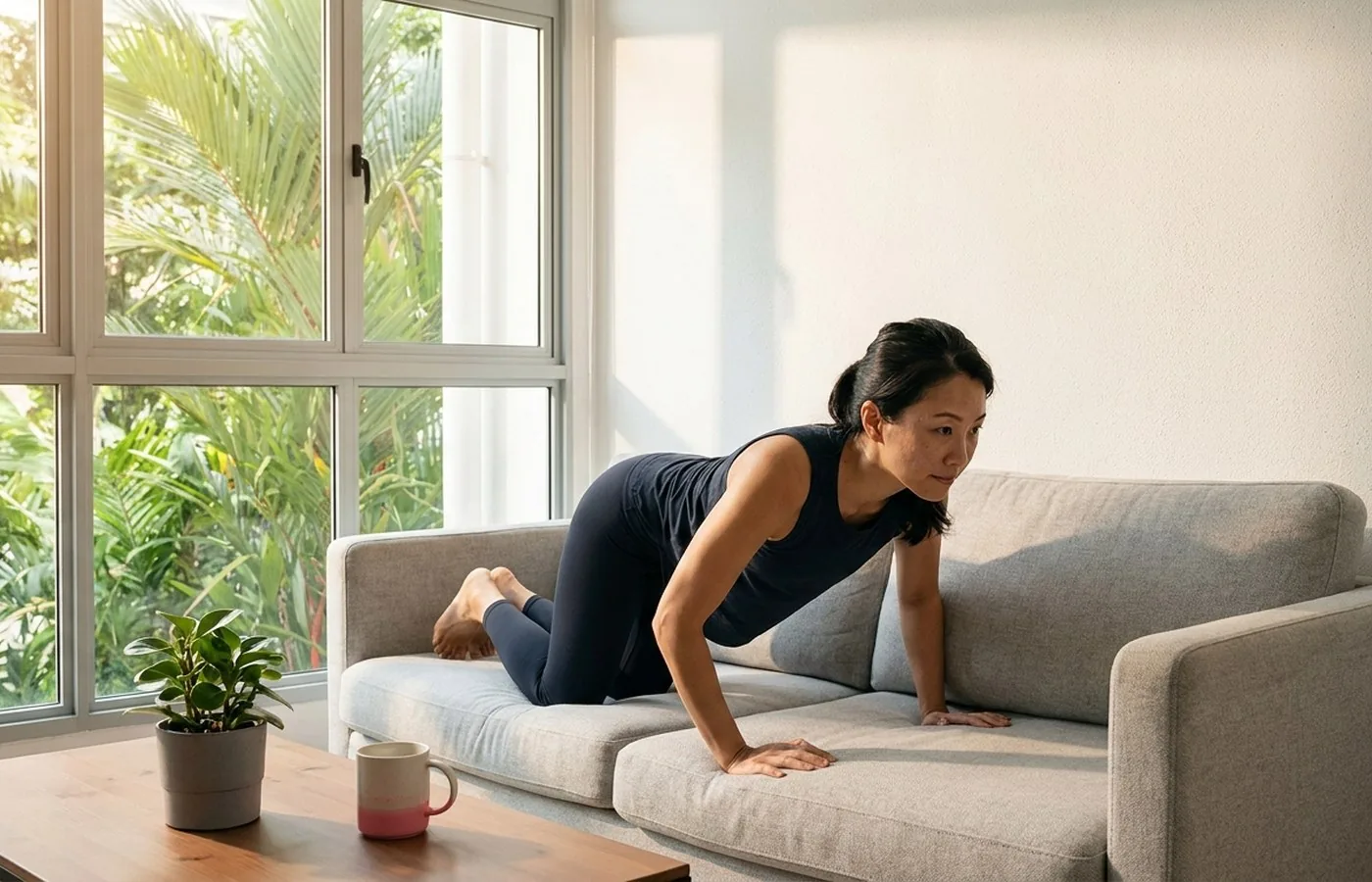
It also nudged along a wider shift toward people training more independently, buying their own basic equipment for home workouts instead of relying only on a gym's shared gear. That fits neatly with the rise of home training since then. Our 20-minute home workout guide is built for exactly that kind of setup: a few affordable pieces of gear and a short amount of time.
It is worth remembering how different things felt before this kind of store existed here. A first-time runner might have hesitated at the price of proper shoes from a speciality shop, or a beginner lifter might have skipped a set of home dumbbells entirely because it felt like a serious financial commitment before they even knew whether the hobby would stick. Lowering that first price tag turned a lot of maybes into actual first sessions, and that shift is worth remembering when people look back at what a store like this changed.
Use this as a starting point, then adjust for your body, conditions and professional advice. A plan is useful only when it responds to you.
What gear matters when you are starting out
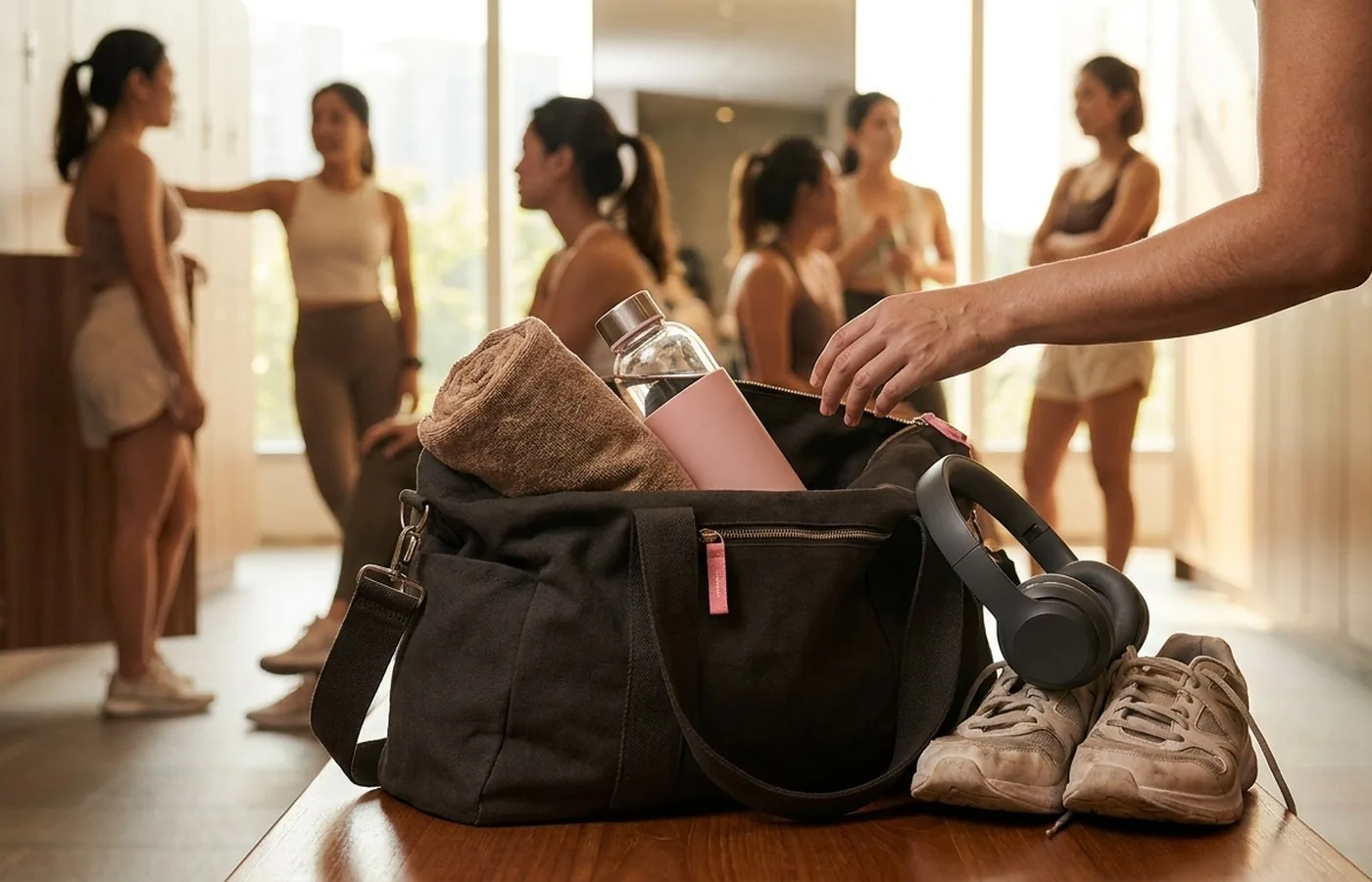
A store full of options can also overwhelm a beginner into buying things they do not need yet. The honest gear priority list for most new trainers is short: shoes that fit your actual foot and activity, comfortable clothing you will not fuss over, a water bottle, and maybe one piece of home equipment if you are training at home. Everything else, the recovery tools, the specialised accessories, the fancy trackers, can wait until you know you are sticking with the habit.
If strength training is new to you, our beginner strength guide covers what little equipment you genuinely need before you invest in more. Gear can support a habit. It cannot build one for you.
What this old opening story still says about gearing up in Singapore today
We are keeping this piece in the archive because the underlying story is still useful, even though the opening itself is old news. Affordable, accessible gear helped remove one real barrier to getting active in Singapore, and that barrier still matters for anyone putting off a new sport because the starter costs feel too high.
If you are shopping for gear right now, treat it the same way: buy the basics well, skip the extras until you know you need them, and let the money you save go toward things that build a habit, like a class you enjoy or a coach for your first few sessions. For more restored pages like this one, the fitness archive is where older SHAPE stories are being brought back with a bit more context.
More on this topic from the archive: Looking Back at SHAPE Run 2018: The Moments Worth Remembering, Looking Back at the Fitness (and Self-Care) Trends Everyone Talked About in 2018 and A Look Back at the Fitness Trends Everyone Was Chasing in 2017.
This article provides general education and is not a diagnosis or a substitute for personalised medical care. Stop exercise and seek appropriate help for severe, sudden or concerning symptoms.
Looking Back at When Decathlon Landed in Singapore's Sports Gear Scene: questions answered
Is this article about a current store opening?
+
No. This piece is kept as an archive read about when large sports megastores first became common in Singapore, not breaking news.
Do I need expensive gear to start training?
+
No. A few well-chosen basics are enough for almost anyone starting out.
What gear should a beginner buy first?
+
Proper shoes for your activity, comfortable clothing, and a water bottle cover most of what you need at the start.