This piece started life as a trend list for 2018, back when boutique fitness studios were multiplying fast and self-care was turning into a fitness buzzword rather than an afterthought. We are keeping it here as an archive snapshot rather than pretending these are today's trends. Looking back at what people were excited about a few years ago says a fair bit about what stuck around and what quietly faded.
Key points
- 2018 was a big year for boutique studios and short, intense group classes.
- Wearable trackers and recovery-focused self-care both went mainstream around this time.
- Some 2018 trends became permanent fixtures; others faded within a couple of years.
- Looking back at old trends is a useful check on what is worth chasing now.
The trends that defined 2018 gyms and studios
- Boutique studio classes, especially short, high-intensity formats.
- Wearable fitness trackers becoming a normal, everyday accessory.
- Recovery tools like foam rollers and massage guns entering home routines.
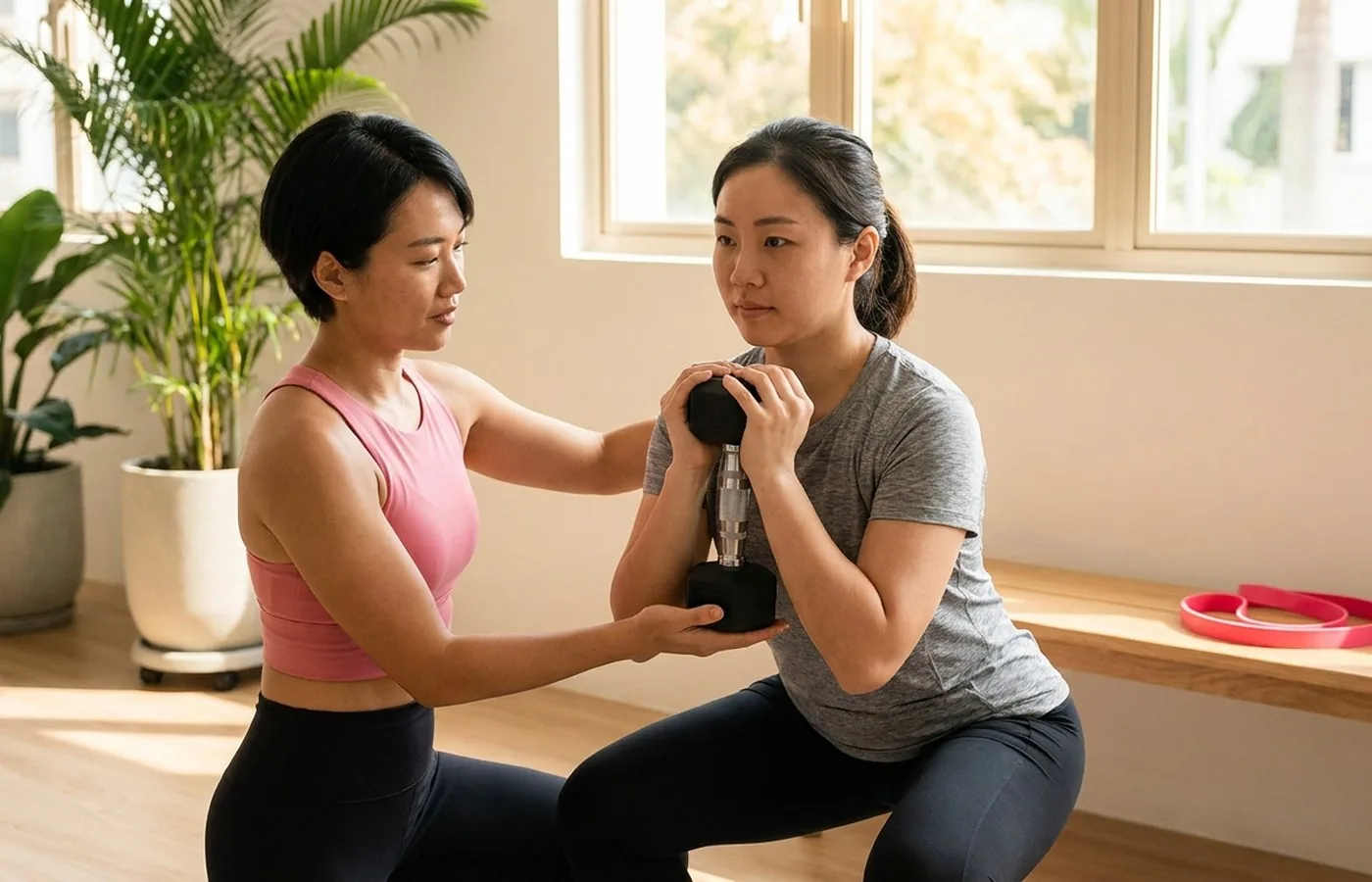
- Group training that leaned on community and accountability, not just instruction.
- Functional training patterns borrowed from athletic conditioning.
- Hybrid classes mixing strength and cardio in one session.
- Wellness retreats and short fitness getaways gaining popularity.
- Plant-forward eating gaining ground alongside training routines.
- Mindfulness and breathwork showing up inside fitness spaces, not just yoga studios.
- Home workout apps starting to gain real traction before they became a mainstream default.
Reading that list now, some of it feels dated and some of it feels like it simply became normal. Boutique classes and wearables, for instance, did not fade so much as settle into the background of how a lot of people train today.
It is also worth noticing how many of these ten ideas were really about the same underlying shift: fitness moving from something purely performance-driven toward something that also cared about how training made people feel day to day. That framing was newer in 2018 than it sounds now, when recovery and mental wellbeing are treated as a normal part of almost any fitness conversation.
Which of these trends stuck around
Wearable trackers are probably the clearest survivor from that list. What started as a slightly niche gadget became a default feature on most phones and watches within a few years. Recovery tools followed a similar path, moving from a specialty purchase to something sold in ordinary pharmacies and department stores.
Boutique-style classes also held on, though the specific formats have shifted since 2018. The bigger shift has been toward flexibility: shorter classes, more home-based options, and less pressure to commit to one single studio or style for the long haul. If you want a modern version of that short, focused class format, our 20-minute home workout guide reflects where that trend eventually landed.
Plant-forward eating and mindfulness both held their ground too, though neither turned into the dominant approach some 2018 coverage predicted. Instead, they settled into being widely available options alongside everything else, rather than a movement that replaced older habits outright.
Use this as a starting point, then adjust for your body, conditions and professional advice. A plan is useful only when it responds to you.
Which trends quietly faded
Not everything from 2018 held up. Some of the wellness-retreat energy cooled off as people realised a single weekend away does not replace a steady weekly routine. A few specific class formats from that era have also mostly disappeared, replaced by newer names doing something fairly similar underneath. That is a normal pattern in fitness: formats change their branding more often than they change their actual substance.
The lesson from a list like this is not to chase whatever is trending right now either. Basics like consistent strength training, a habit you can keep, and reasonable recovery outlasted almost every specific trend on this old list. If you are building that kind of foundation, our beginner strength guide is a better long-term investment than any single 2018 fad.
What this old trends list still teaches us about fitness fads
Looking back at a list like this is a useful exercise precisely because so few of these trends were new ideas dressed up in new packaging. The trends that lasted were the ones built on something genuinely useful, like recovery and tracking progress. The ones that faded were mostly about branding and hype more than substance.
If you want a training plan that does not depend on whatever is currently trending, the Workout Builder can help you build one around your own goals instead. For more restored archive content like this, the fitness archive is where these older SHAPE pages are being kept, trend lists included.
More on this topic from the archive: A Look Back at the Fitness Trends Everyone Was Chasing in 2017, The Fitness Trends of 2020 We Look Back On and Looking Back at SHAPE Run 2018: The Moments Worth Remembering.
This article provides general education and is not a diagnosis or a substitute for personalised medical care. Stop exercise and seek appropriate help for severe, sudden or concerning symptoms.
Looking Back at the Fitness (and Self-Care) Trends Everyone Talked About in 2018: questions answered
Is this list still an accurate guide to current fitness trends?
+
No, it is kept as an archive snapshot of 2018, not a current forecast.
Which 2018 trend had the biggest lasting impact?
+
Wearable fitness trackers arguably had the widest lasting effect, becoming a near-default feature on phones and watches.
Should I follow current fitness trends closely?
+
Trends can be fun to try, but consistent basics tend to matter more for long-term results.