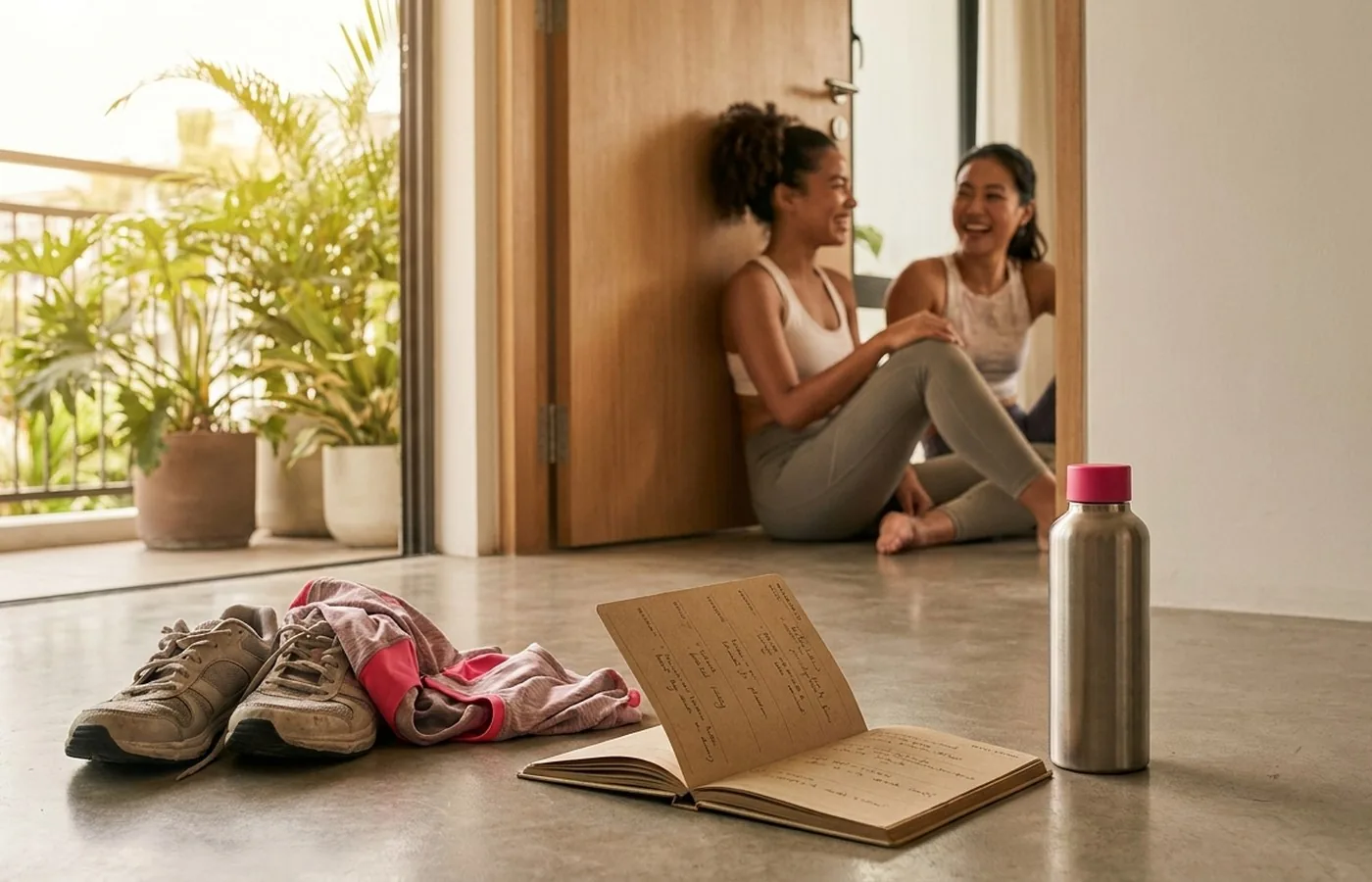
Picking a Pilates instructor often comes down to whichever studio has a nice website or a friend's recommendation. That can work out fine, but it is not the most reliable filter. The instructor's teaching style, how they handle injuries, and whether they correct your form matter far more to your results than the studio's interior design.
Key points
- An instructor's teaching style matters more to your results than the studio's branding.
- A good instructor asks about injuries and adjusts moves instead of ignoring them.
- Trial classes are worth the money before committing to a package.
- The best instructor is the one whose cues you understand.
Why the instructor matters more than the studio brand
Pilates relies heavily on precise cueing. Two instructors can teach the exact same exercise, and one leaves you feeling nothing while the other has you shaking in the right muscles within thirty seconds. That gap comes down to how clearly they explain alignment, breathing, and small adjustments, not the equipment brand or how polished the studio looks.
This matters even more if you are new to structured training generally. Our guide to a first gym or studio visit covers the nerves that come with walking into any new fitness space, and a lot of that advice applies just as much to your first Pilates class.
A studio can spend a fortune on a beautiful space, matching mats, and a great sound system, and still leave you with an instructor who mumbles cues from the front of the room without ever glancing at your form. Meanwhile, a plain community centre hall with a genuinely attentive teacher can leave you feeling stronger and more capable within a few weeks. The environment is nice to have. It is not the thing doing the actual work.
Questions worth asking before you book a package
- What is your approach if I mention a previous injury?
- Do you correct form during class, or mostly count reps?
- How many people are usually in this class?
- Can I try a single class before committing to a package?
- Do you offer both mat and reformer sessions, or just one?
Their answers tell you a lot. An instructor who brushes off the injury question or gives a vague answer about correcting form is worth being cautious about. One who asks follow-up questions and explains how they would modify a move is usually the safer bet for your body and your progress.
It also helps to ask about class size directly, rather than guessing from a studio's marketing photos. A class with twenty people and one instructor is a very different experience from a class of six, even if both are billed under the same name. Neither size is automatically wrong, but you should know which one you are booking before your first session, not after.
Use this as a starting point, then adjust for your body, conditions and professional advice. A plan is useful only when it responds to you.
Green flags and red flags to watch for in your first class
| Green flag | Red flag |
|---|---|
| Walks around and gives individual cues | Stays at the front and never checks your form |
| Asks about injuries before class starts | Never mentions modifications at all |
| Explains why a move works, not just how many reps | Rushes through moves with no breathing cues |
| Welcomes questions after class | Seems annoyed by beginner questions |
One class is rarely enough to fully judge an instructor, but these signs usually show up early, often within the first fifteen minutes.
How the right Pilates instructor helps you stick with it
People rarely quit Pilates because the exercises are too hard. They quit because a class felt confusing, they got hurt doing something they were not ready for, or they never felt the instructor was really paying attention to them. Choosing carefully at the start avoids most of that.
If sticking with any new class has been your pattern, not just Pilates, the Habit Planner can help you set a realistic weekly target instead of an all-or-nothing plan that burns out fast. And if you want a wider view of the classes available near you, the fitness hub is worth a browse before you settle on the first studio you find, along with our desk posture and mobility guide if poor posture from work is part of why you are trying Pilates in the first place.
Give yourself permission to switch instructors if the fit is not right, even mid-package if the studio allows it. A mismatch is not a reflection on your ability to do Pilates. It just means the teaching style did not click, and that happens with plenty of good instructors and good students who simply were not suited to each other.
How many trial classes should I try before deciding?
Two or three with different instructors usually gives you a fair sense of fit.
More on this topic from the archive: Inside the Multi-Studio Concept Bringing Cycling, Yoga, and Pilates Under One Roof, Basic Pilates Reformer Exercises That Work the Whole Body and How to Find a Pilates Class in Singapore That Strengthens Your Core.
This article provides general education and is not a diagnosis or a substitute for personalised medical care. Stop exercise and seek appropriate help for severe, sudden or concerning symptoms.
How to Choose a Pilates Instructor You'll Stick With: questions answered
Should I choose mat or reformer Pilates as a beginner?
+
Either works. Mat classes need less equipment, while reformer classes add resistance through springs.
Is it rude to ask an instructor questions before booking?
+
No. A good instructor expects it, especially about injuries or class size.