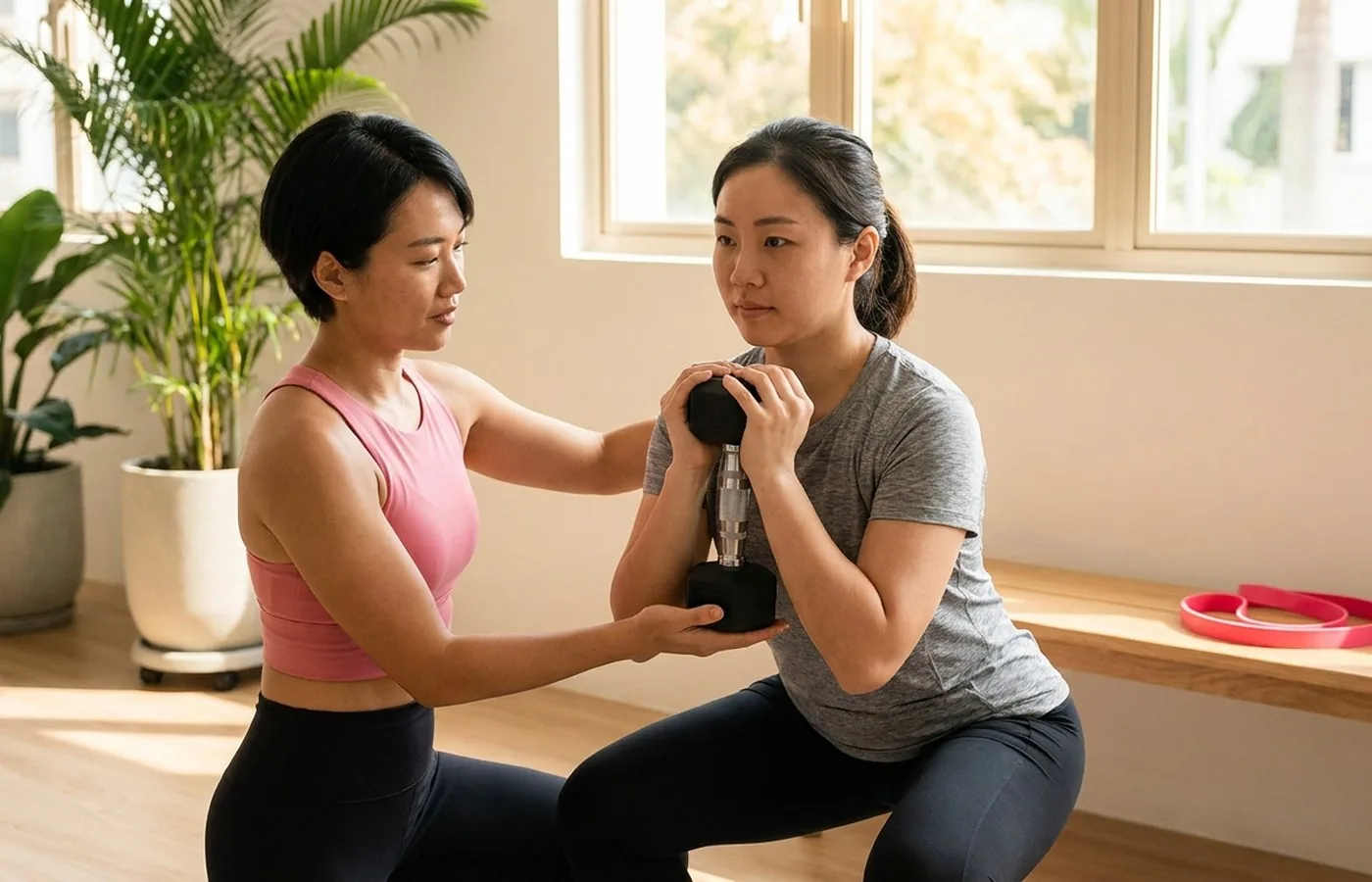
Pilates has become one of those words that gets attached to almost any slow, controlled workout, which makes it harder to know what you are signing up for. A class that genuinely strengthens your core looks a bit different from one built mostly around stretching and relaxation, and knowing the difference before you book helps you pick the right one.
Key points
- Pilates styles vary a lot, from gentle mat classes to intense reformer sessions.
- A core-focused class should challenge control and stability, not just flexibility.
- Instructor quality often matters more than the specific studio brand.
- A first class is a good time to be upfront about your goals and any injuries.
Why Pilates classes are not all the same workout
Under the same word, you can find a gentle mat class focused mostly on breathing and stretching, a fast-paced reformer class that leaves your whole body shaking, and everything in between. Both can be called Pilates, and both can be good, but they will not give you the same result if what you want is a stronger core.
If your main goal is core strength specifically, look for classes described as strength-focused or intermediate rather than restorative or relaxation-based, since those labels usually signal a different pace and intensity. If you are entirely new to structured classes in general, our guide to a first gym visit has tips that translate well to a first Pilates class too.
It also helps to read class descriptions carefully rather than judging purely by the studio's overall branding. A single studio can run both a gentle mat class and a demanding reformer session on the same day, and the marketing photos on their website rarely make that distinction obvious at a glance.
What a genuinely core-strengthening class tends to include
- Controlled, slower movements rather than fast reps, since control is where the core gets challenged.
- A mix of positions, lying, seated, and standing, rather than one repeated posture for the whole class.
- Instructor cues about bracing, breathing, and spinal position, not just counting reps out loud.
- Some use of equipment, like a reformer, resistance bands, or a small ball, to add resistance beyond your own body weight.
- A clear beginner or intermediate label, so the intensity roughly matches what you are ready for.
If a class description leans heavily on words like relaxation or gentle stretch, it may still be enjoyable, but it is probably not the class to pick if a stronger core is your main target this time. A quick call or message to the studio asking directly how core-focused a class is will usually get you a clearer answer than the website copy alone.
Use this as a starting point, then adjust for your body, conditions and professional advice. A plan is useful only when it responds to you.
How to judge a class beyond the studio's name
A well-known studio brand does not automatically mean a well-taught class, and a smaller, lesser-known studio can have an excellent instructor. What tends to matter more is how clearly the instructor explains form, how much individual correction they offer during class, and whether they ask about injuries or limitations before the session starts.
If posture and stiffness from desk work are part of why you are looking at Pilates in the first place, our guide to desk posture and mobility covers some of the same territory and can help you explain your goals clearly to a new instructor.
Trial classes are worth using deliberately rather than just for the discount. Pay attention to whether the instructor watches your form during the session or mostly counts along from the front of the room. That single difference tends to separate a class that will genuinely build your core strength from one that will mostly just make you feel like you did something.
Making a Pilates class strengthen your core
Once you find a class that fits, consistency does more for your results than any single studio's reputation. A core gets stronger through repeated, well-formed practice over weeks, not through picking the single best-reviewed class in Singapore and attending it once. Be upfront with instructors about wanting core strength specifically, since a good teacher will adjust cues and moves accordingly.
If you want to build Pilates into a broader weekly plan rather than a one-off, the Workout Builder can help you place it alongside your other training. A class that strengthens your core is out there. It just takes a bit of matching, not luck.
Should I mention my goals to a Pilates instructor before class?
Yes. A good instructor can adjust cues and exercises if they know you are specifically after core strength.
More on this topic from the archive: Everything You Need to Know Before Your First Pilates Class, Bodyweight Exercises That Build Core Strength and How to Rebuild Core Strength After Having a Baby.
This article provides general education and is not a diagnosis or a substitute for personalised medical care. Stop exercise and seek appropriate help for severe, sudden or concerning symptoms.
How to Find a Pilates Class in Singapore That Strengthens Your Core: questions answered
Is reformer Pilates better than mat Pilates for core strength?
+
Both can build core strength, though reformer classes often add more resistance, which can accelerate progress for some people.
How many Pilates classes a week do I need for real results?
+
One to three sessions a week is a common range, depending on your other training and recovery.
