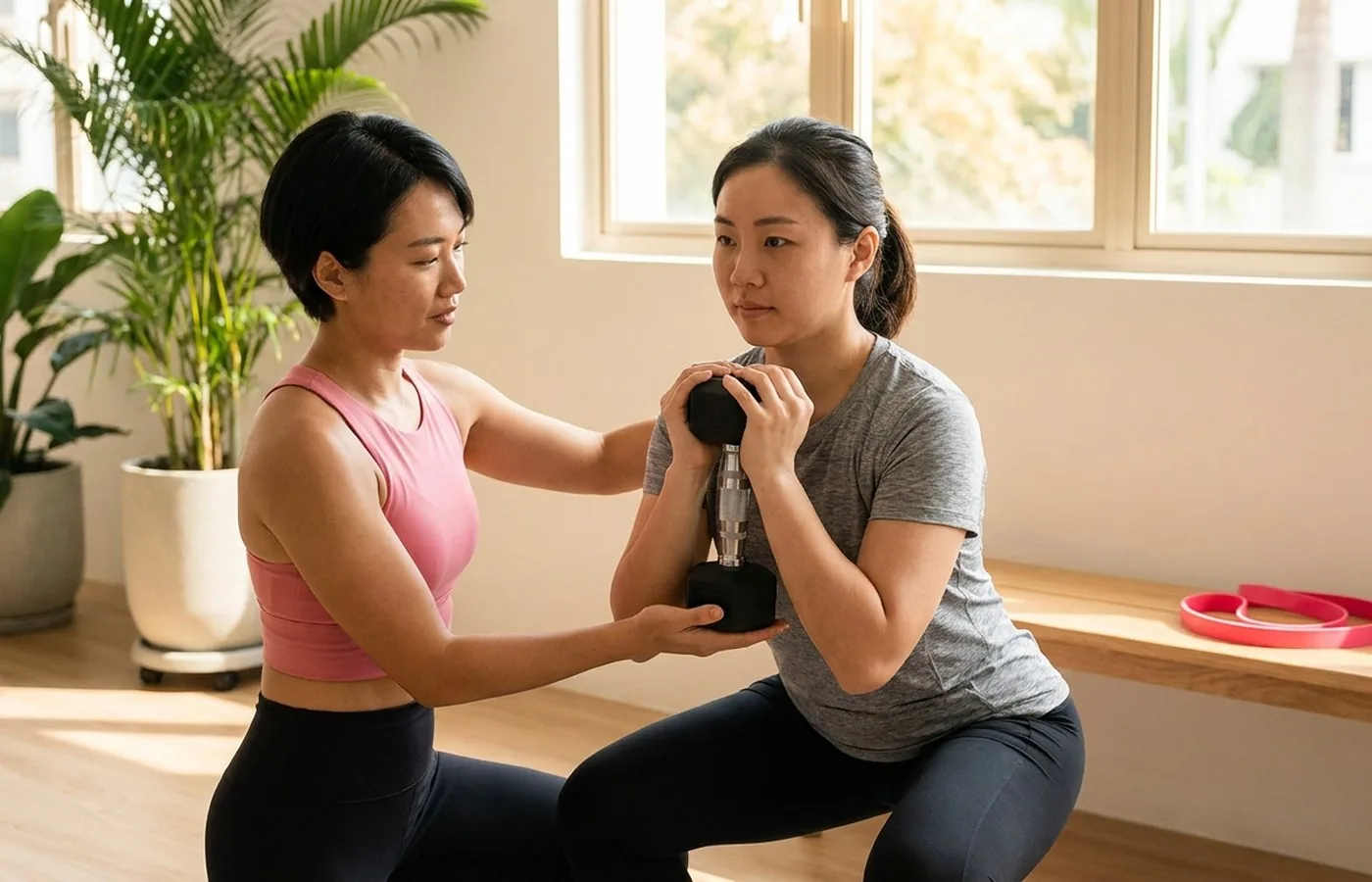
You do not need a gym membership, a rack of dumbbells, or a spare room turned into a home studio to burn fat and build real strength. Your own bodyweight, used well, is still one of the most useful training tools you have. Here are five moves worth building a routine around, and how to use them without wasting the effort.
Key points
- Bodyweight training can build real strength and burn a meaningful amount of energy with no equipment at all.
- Compound moves that use multiple muscle groups burn more and build more than isolated exercises.
- Fat loss still depends on your overall routine and food, not any single exercise alone.
- Progressing reps, tempo, or difficulty matters more than adding more random exercises to the list.
Why bodyweight training genuinely works for fat loss
Fat loss ultimately depends on using more energy than you take in over time, alongside habits that support muscle and recovery. Bodyweight exercises that use large muscle groups, like your legs, back, and core together, tend to burn more energy per minute than small, isolated moves, while also building genuine strength.
The bigger advantage is practical: no equipment means no excuse. A bodyweight circuit fits in a small room, a hotel, or a corner of your living room, which makes it far easier to repeat several times a week. The Workout Builder can help you turn these moves into a structured session that fits your available time.
There is also a real cardiovascular effect worth noting. A fast-paced bodyweight circuit raises your heart rate similarly to a cardio session, meaning you are training strength and cardiovascular fitness at the same time, without needing two separate workouts to cover both.
The five bodyweight exercises worth building around
- Squats. Build leg and glute strength while engaging your core throughout the movement.
- Push-ups. Work your chest, shoulders, arms, and core together in one compound move.
- Lunges. Train each leg individually, which also improves balance and stability.
- Burpees. Combine a squat, plank, and jump into one demanding, full-body move that raises your heart rate fast.
- Mountain climbers. Blend core work with a cardio element, keeping the heart rate elevated between strength moves.
Together, these five cover your whole body: legs, push muscles, core, and cardio capacity, without needing a single piece of equipment. If you are brand new to structured strength training, our beginner strength guide covers form basics worth reviewing before adding speed or reps.
Form matters more than speed with every one of these moves. A slow, controlled push-up with full range of motion builds far more strength than a fast, half-range one, even though the fast version might look more impressive from across the room.
Use this as a starting point, then adjust for your body, conditions and professional advice. A plan is useful only when it responds to you.
How to structure these moves into an actual workout
A simple circuit works well: 40 seconds of work followed by 20 seconds of rest for each exercise, repeating the full round two or three times. As you get fitter, progress by slowing the tempo, adding reps within the same time, or reducing rest slightly, rather than only adding brand-new exercises to the list.
If you want a ready-made, time-efficient session, our 20-minute home workout builds a full session around exactly this kind of bodyweight circuit, which is useful on days when a full gym visit is not realistic.
Two or three rounds through all five moves usually takes fifteen to twenty minutes, including rest periods, which makes this a realistic option even on a genuinely packed day. Skipping a workout because "there is no time" gets a lot harder to justify once the whole session fits into one episode of a podcast.
How these bodyweight exercises help you burn fat and lose weight for real
These five moves build genuine strength and burn a real amount of energy, but they still work best inside a wider routine: regular sessions across the week, decent sleep, and food that supports the effort rather than undoing it. No single circuit, however demanding, replaces that bigger picture.
If you want more structured training ideas beyond bodyweight work, the fitness hub covers a wider range of formats worth mixing in as you progress. Done consistently, two or three times a week, these five bodyweight exercises can genuinely move the needle on both strength and fat loss, no equipment required.
Give the plan a few weeks before judging results. Strength shows up first, usually within two or three sessions, while visible fat loss takes longer and depends heavily on the rest of your routine outside the workout itself.
Keep body-size numbers in context
One screening estimate cannot describe fitness, habits or overall health.
- Use the BMI and risk-context toolTreat the result as one screening question rather than a grade.
More on this topic from the archive: Bodyweight Exercises That Build Core Strength, 9 Bodyweight Exercises You Should Be Doing and Bodyweight Moves That Spike Your Heart Rate in Under a Minute.
This article provides general education and is not a diagnosis or a substitute for personalised medical care. Stop exercise and seek appropriate help for severe, sudden or concerning symptoms.
5 Bodyweight Exercises That Help You Burn Fat and Lose Weight: questions answered
Can bodyweight exercises really burn fat as well as gym equipment?
+
Yes, especially compound moves done with enough intensity and consistency, though total routine and food still matter most.
How often should I do this bodyweight circuit?
+
Two to four times a week is a solid starting point, allowing for recovery between sessions.
Do I need to add weights eventually?
+
Not necessarily, though adding resistance later can help you keep progressing once bodyweight moves start feeling too easy.