If you searched for a magic food that burns belly fat overnight, this is not that page. But if you want foods that make fat loss easier by helping with hunger, portions, and better daily meals, these eight are worth keeping close.
Key points
- You cannot spot-reduce fat from one body area with food alone.
- The best foods for tummy fat are usually the ones that keep you full and stop overeating later.
- Protein, fibre, water, and meal structure matter more than trendy superfoods.
- A calmer, repeatable eating pattern usually beats a short harsh diet.
Why food still matters if belly fat is the goal
People often talk about tummy fat as if one special food can switch it off. That is not really how the body works. You lose body fat overall when your habits support a steady calorie intake, decent movement, good sleep, and meals that do not leave you desperate two hours later. Still, food matters a lot because food shapes how hungry you feel, how much energy you have, and how easy it is to stay consistent.
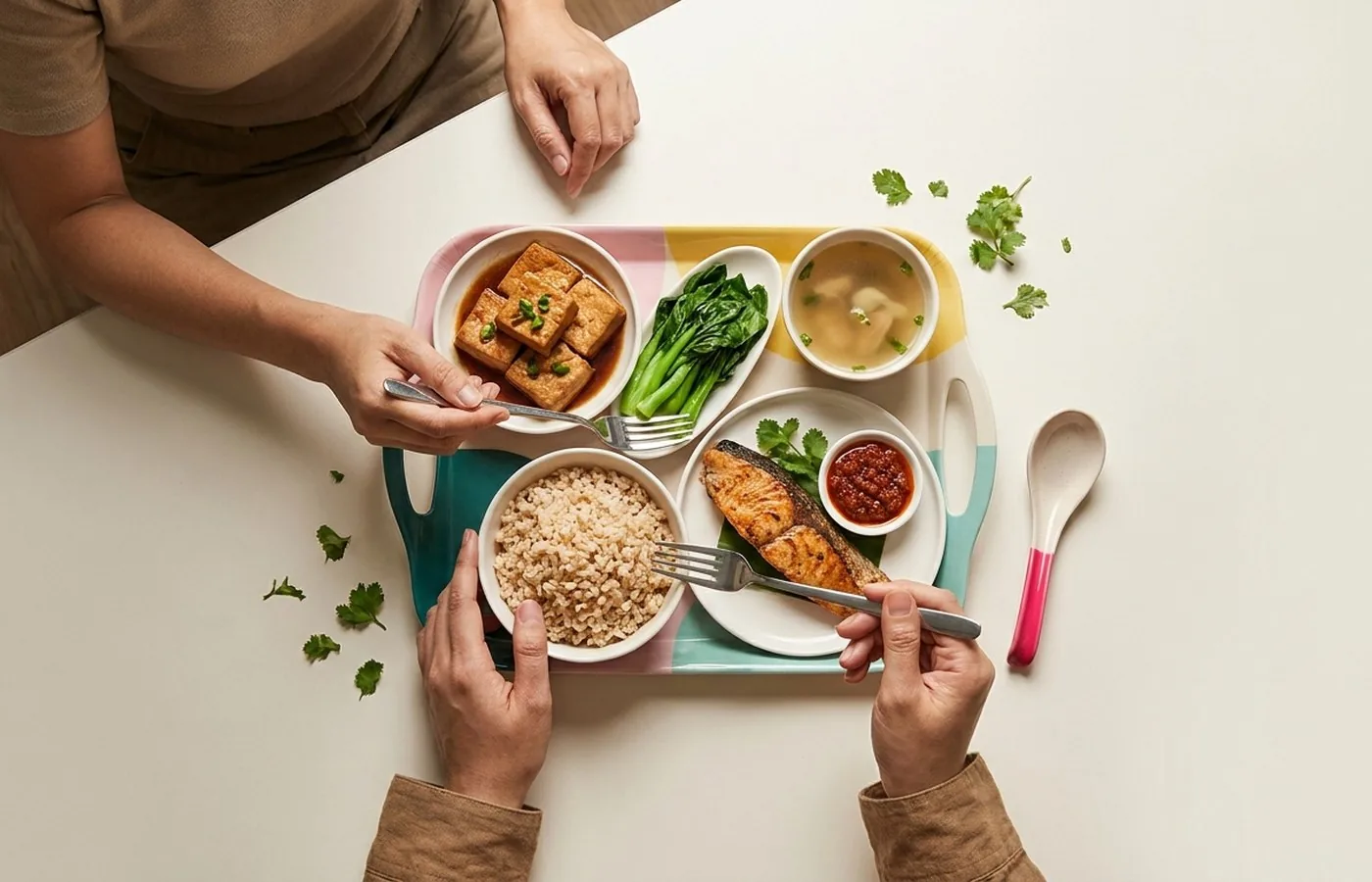
The most useful foods are not always the flashiest ones. They are the foods that make a normal weekday easier. A breakfast that fills you up. A lunch that does not lead to snack panic at 4pm. A dinner that feels satisfying without turning into a second dinner later at night. If you need a simple plate to aim for, the Balanced Meal Builder is a good place to start.
It also helps to be careful with the language around belly fat. If you notice a larger waistline, that can be a cue to look at your habits, but it does not mean you should start punishing yourself. A calmer plan works better. The right food choices support the whole plan instead of pretending they are the whole plan.
The eight foods worth putting on repeat
1. Eggs. They are simple, high in protein, and useful when mornings go off the rails.
2. Greek yoghurt or unsweetened high-protein yoghurt. Easy to pair with fruit, and much more filling than many sweet breakfast snacks.
3. Oats. A practical fibre source that helps breakfast feel more like a meal.
4. Avocado. Rich and satisfying, so a small amount can help meals feel complete.
5. Beans and lentils. They bring fibre and some protein, which is a strong mix for fullness.
6. Berries and other whole fruit. Sweet, useful, and often better at calming cravings than biscuits pretending to be healthy.
7. Tofu or tempeh. Great protein options if you want lighter meals that still hold you.
8. Leafy greens and crunchy vegetables. Not because they are magic, but because they add bulk and help meals feel bigger for fewer calories.
None of these foods works by “targeting” your stomach. They help because they make eating less chaotic. If you eat out often, our hawker-centre meal guide shows how to fit these ideas into normal local food instead of waiting for perfect health food to appear.
Use this as a starting point, then adjust for your body, conditions and professional advice. A plan is useful only when it responds to you.
How to build meals around them without getting bored
The easiest way to use these foods is to stop treating them like a separate weight-loss menu. Fold them into meals you already like. Oats can be breakfast with fruit and yoghurt. Eggs can become a toast-and-fruit breakfast or a quick dinner with vegetables. Beans can bulk out soups, chilli, grain bowls, and wraps. Avocado can sit beside eggs, tuna, tofu, or chicken without needing its own performance.
What matters is the job each food is doing. Protein helps you feel full. Fibre helps meals stay with you longer. Produce adds volume and makes the plate less tiny. When those pieces are missing, people often end up snacking through the gap. If weeknights keep falling apart, our low-effort meal-prep guide can help you keep these foods in the house in ways that are easy to use.
Water matters too. Higher-fibre meals usually feel better when you are drinking enough. If you tend to under-drink all day and then feel weirdly snacky at night, the Hydration Planner can give you a simple daily target to test.
You do not need all eight foods every day. You just need enough of them showing up often enough that your appetite becomes easier to manage.
How these foods can help reduce tummy fat over time
The real win here is not that these foods are special. The win is that they make it easier to eat in a way that supports fat loss over weeks and months. If your meals are more filling, you are less likely to keep chasing extra food later. If your breakfast is solid, your lunch often gets better too. If dinner feels balanced, late-night eating tends to calm down.
That is how “tummy fat” goals usually move in the right direction: not through one miracle ingredient, but through better average days. A few more protein-rich meals. A few more fibre-rich foods. Less random grazing. More steady water, sleep, and movement. Those things add up.
If you want a simple start, choose two foods from this list and make them automatic this week. Maybe that is oats at breakfast and beans at lunch. Maybe it is yoghurt in the fridge and eggs always ready. Keep it boring enough to repeat. That is the kind of food choice that quietly changes your waistline over time.
And if progress feels slow, remember that slow is often normal. The body does not care about a dramatic Monday. It responds to what you can still do next Thursday. That is why these eight foods help: they fit normal life, and normal life is where fat loss really happens.
More on this topic from the archive: 7 Diet Tips to Follow If You Want a Flat Tummy.
This article provides general education and is not a diagnosis or a substitute for personalised medical care. Stop exercise and seek appropriate help for severe, sudden or concerning symptoms.
8 Foods That Can Help Reduce Tummy Fat: questions answered
Can one food really reduce belly fat?
+
No. Foods can support fat loss, but they do not melt belly fat from one area on their own.
Is avocado too high in calories for weight loss?
+
Not if the portion fits your meal. Its richness can help meals feel more satisfying.
What should I eat first from this list?
+
Start with one protein food and one fibre food that you already enjoy and can repeat easily.