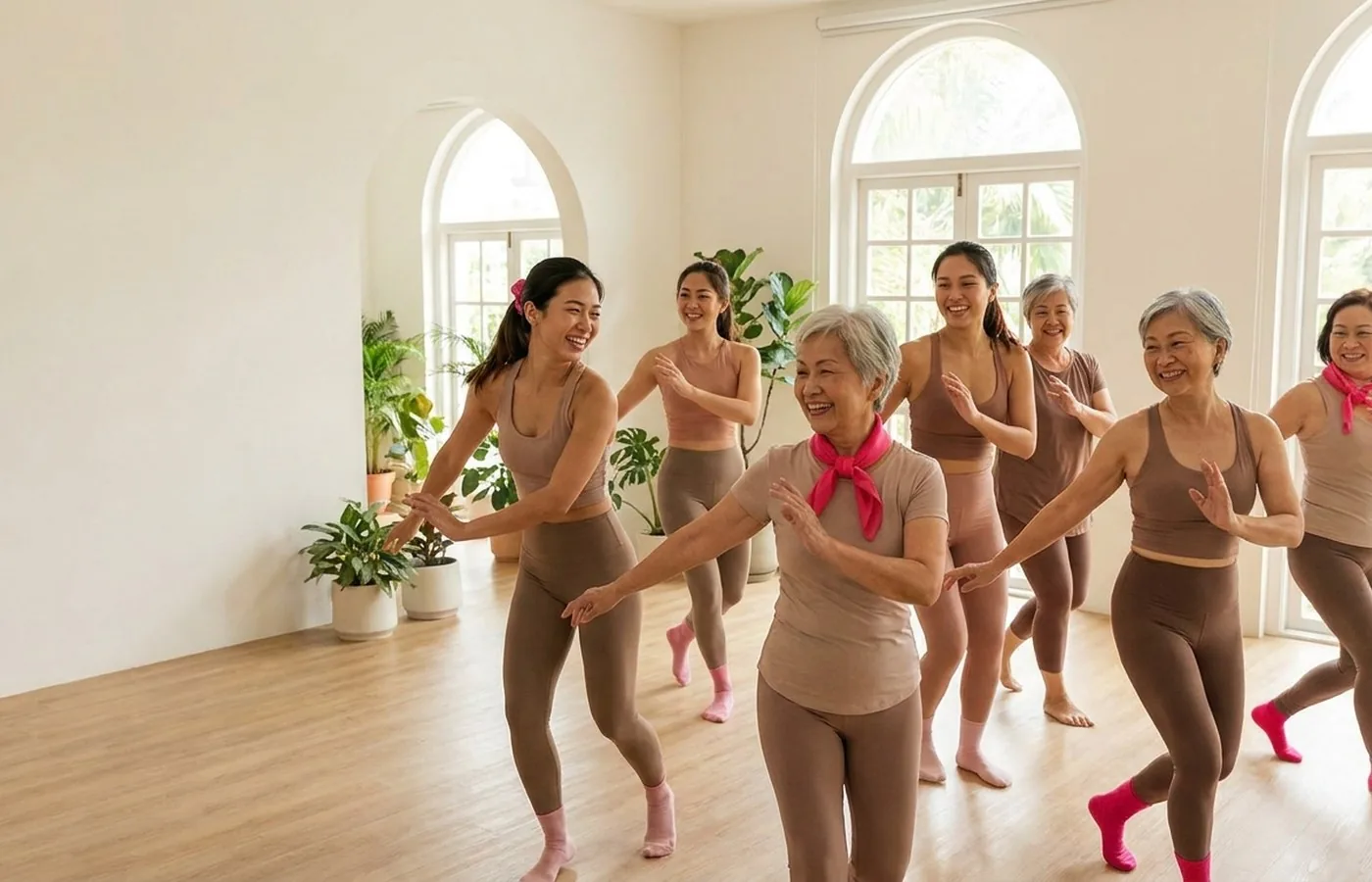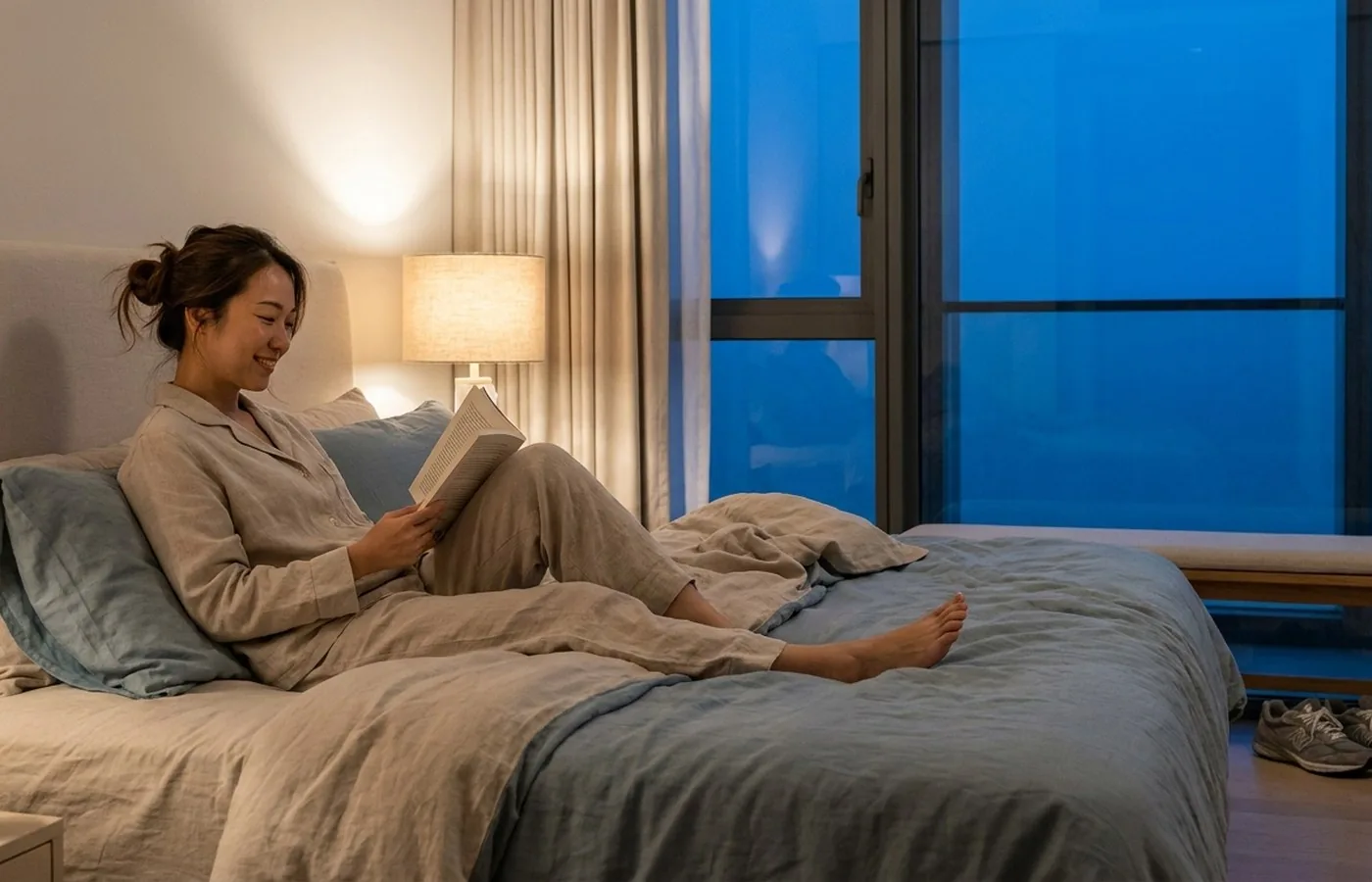
People often talk about calming yoga as if you need a perfect routine and a beautiful mat to do it properly. You do not. The best yoga poses for calm are usually gentle positions that help the body feel safe, the jaw unclench, and the breath slow down. That can be useful after work, before bed, or during any point in the day when your nervous system feels louder than you want it to. Yoga is not the answer to every mental or physical problem, but as a calming tool it can be simple, kind, and surprisingly effective.
Key points
- Calming yoga works best when the poses feel supported and easy to breathe in.
- You do not need intense stretching for a pose to help you settle.
- Simple positions often do more for calm than ambitious ones.
- Pain, dizziness, or symptom flare-ups are signs to stop and reset.
Why gentle yoga can help you feel calmer
When people are stressed, they often carry it physically. The shoulders lift, the jaw tightens, the back stiffens, and the breathing becomes shallow without anyone meaning for that to happen. Gentle yoga can interrupt that pattern by giving the body a slower job to do.
The important part is not fancy technique. It is the combination of position, support, and breathing. A calm pose gives you enough comfort that the body stops bracing quite so hard. From there, the mind often follows.
If the bigger issue is not only body tension but a whole stressed-out day, our movement-for-stress guide is a useful companion because it frames movement as support, not punishment. If your calm routine is really about improving nights, our sleep and recovery guide connects the dots on the rest side too.
Best yoga poses to help the body settle
Child’s pose is a classic because it feels contained and quiet for many people. A pillow under the chest can make it even more restful.
Legs up the wall is another useful one because it asks very little while still feeling soothing. You can bend the knees if straight legs feel too strong.
Supine twist gives the spine and ribs a gentle unwinding feeling without much effort. Stay well within comfort.
Supported reclined butterfly can feel calming if the hips are supported and the knees are not straining. Use cushions generously.
Cat-cow is helpful when stillness feels too hard at first. Slow movement can be more calming than forcing yourself to freeze.
Seated forward fold may help if done gently and without yanking. Think softening, not stretching for achievement.
Corpse pose sounds almost too simple, but lying down with support under the knees or head can be one of the calmest options of all.
The best pose is the one that helps your breathing soften instead of making the body work harder. You do not need to do all of them. Two or three can be enough.
Use this as a starting point, then adjust for your body, conditions and professional advice. A plan is useful only when it responds to you.
How to make calming yoga feel calming
Use support. That matters more than many people expect. A folded towel, pillow, sofa edge, or wall can turn a slightly annoying pose into a deeply useful one. Support is often the difference between “I should do yoga” and “That helped.”
It also helps to choose the right time. Some people like a short calm sequence after work. Others prefer it before sleep. If you are trying to make it a real habit instead of a one-off idea, the 7-Day Habit Planner can help you anchor the practice to something already in your day.
Hydration and heat matter too, especially in Singapore. If you are already feeling drained and sticky, forcing a long session may not feel calming at all. The Hydration Planner can help with the basics so the body is not starting from empty.
And stop if the pose hurts, makes you light-headed, worsens reflux, or leaves you more wound up than before. Calm yoga should feel like a downshift, not another way to push.
How to choose the best yoga poses for calm
The best yoga poses for calm are usually the ones that make your breath longer, your face softer, and your body less defended. They are not always the prettiest poses or the deepest stretches. They are just the ones your system accepts most easily on that day.
For more practical wellbeing reading beyond this page, the health hub gathers SHAPE explainers on stress, sleep, and body care. Calm often comes from doing less, not more. Yoga is no different.
That is how to choose the best yoga poses for calm: pick the positions that help you settle, support them well, and let simple do the job.
More on this topic from the archive: 8 Yoga Poses Will Calm You Down Bedtime and Womb Yoga.
This article provides general education and is not a diagnosis or a substitute for personalised medical care. Stop exercise and seek appropriate help for severe, sudden or concerning symptoms.
Best Yoga Poses Calm: questions answered
Do calming yoga poses need to feel intense?
+
No. The most calming poses are often the gentlest and most supported.
How long should I stay in a pose?
+
Long enough that your breathing settles, but not so long that the body starts to strain or get irritated.
What if yoga makes me feel more wound up?
+
Choose simpler poses, add more support, shorten the session, or stop if the practice is not helping.