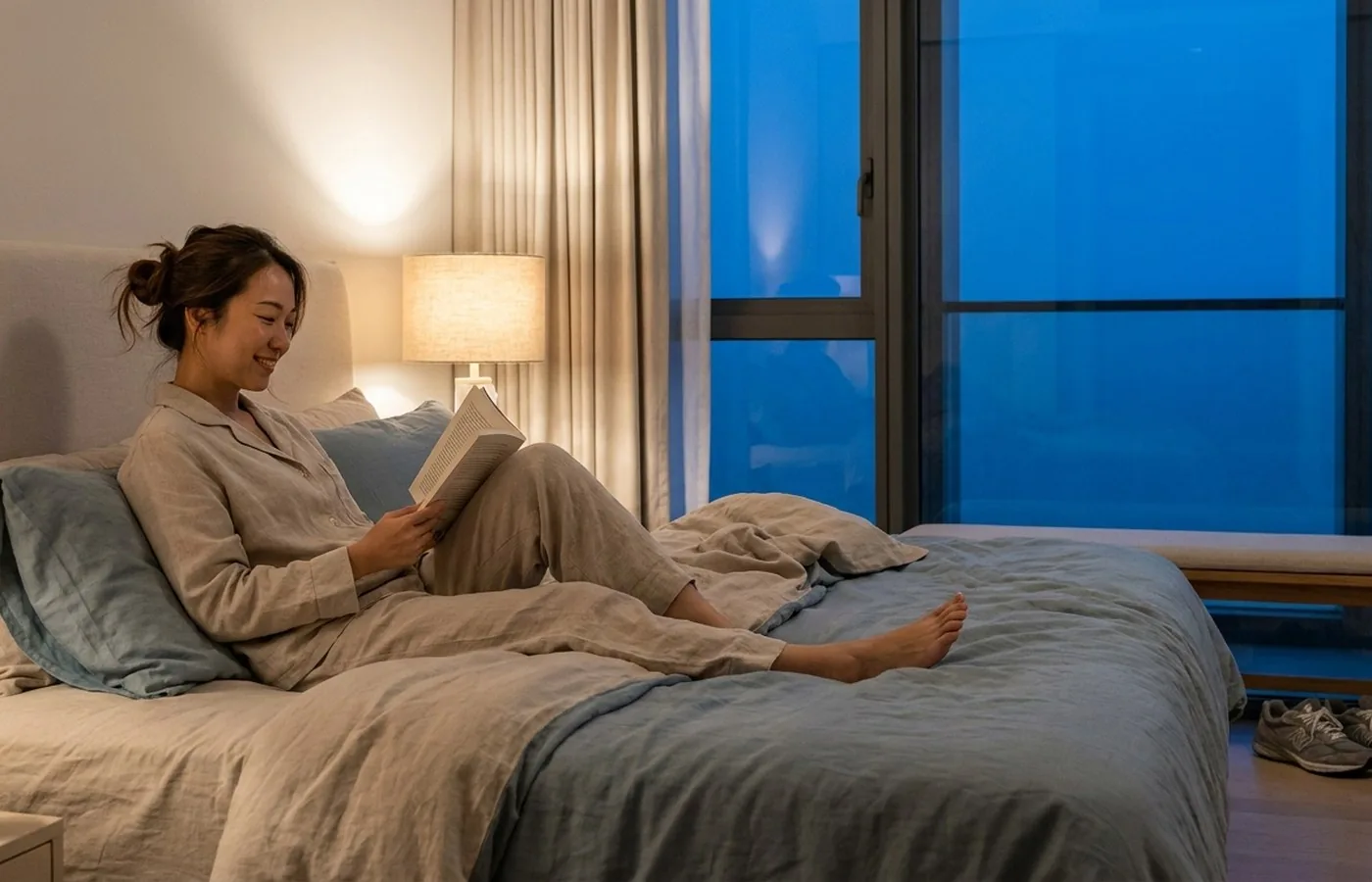
People often reach for new age healing when life feels noisy, heavy, or emotionally flat. Sometimes they are tired of being told to just relax. Sometimes they want a ritual that feels calmer and more personal than another productivity trick. That makes sense. A few slower practices really can help people feel grounded. The key is keeping your expectations sensible. These methods may support stress relief and reflection, but they are not a replacement for medical care or mental-health treatment when those are needed.
Key points
- A soothing ritual can help the nervous system settle, especially when life feels rushed or overloaded.
- The best new age healing methods are often the simplest and safest ones, such as breathing, journaling, gentle movement, and quiet sensory breaks.
- These practices are tools for comfort and reflection, not proof that a serious health problem has been solved.
- If anxiety, depression, trauma symptoms, or physical symptoms are strong, proper professional help still matters.
Why people turn to healing methods that feel softer and more spiritual
Not every person who tries a healing ritual is being irrational. A lot of people are simply worn out. They are overstimulated, underslept, emotionally crowded, and tired of living at a constant speed. A practice that asks them to sit still, breathe, listen, write, or move gently can feel like the first honest pause they have had all week.
That pause matters. Stress often shows up in the body before people even name it. The jaw tightens. Sleep gets lighter. Digestion becomes touchy. The chest feels busy. Thoughts keep racing. Slower rituals can interrupt that pattern. They may not “heal your soul” in some dramatic movie sense, but they can give your mind and body a little room to stop bracing.
It also helps that these methods are low-pressure. No one has to win at a sound bath. No one has to perform perfect breathing. For many people, that gentler tone is exactly the point. If what you really need is a more repeatable way to lower stress in daily life, our movement-for-stress guide is a practical next read.
Five new age healing methods that may genuinely help you feel calmer
1. Breathwork. Slow breathing can help bring the body down a notch when your system is running hot. You do not need a complicated technique. A few minutes of longer exhales or steady box breathing can be enough to change the pace of a hard moment.
2. Sound baths or calming audio. Some people relax surprisingly well when they focus on one stream of sound instead of ten competing thoughts. A formal sound bath is not required. Quiet music, nature audio, or guided relaxation may do a similar job if they help you stay present.
3. Journaling. Writing is useful because it gives stress somewhere to go. You can write what is bothering you, what you are avoiding, or what you need tomorrow to feel less overwhelmed. If your days already feel scattered, the 7-Day Habit Planner can help turn that reflection into one or two small repeatable habits.
4. Gentle movement. Slow stretching, yoga, or a quiet walk can work like a body-level reset. It is easier to think clearly when your shoulders are no longer glued to your ears. If you have been carrying tension for weeks, our desk posture and mobility guide can help if the stress is living in your neck and back as much as in your thoughts.
5. A screen-free reset ritual. This may sound less mystical, but it may be the most useful of all. Light a candle if you want. Make tea. Sit quietly. Stop scrolling. The nervous system often needs less input more than it needs a fancy ceremony. If sleep has also been suffering, our sleep and recovery guide fits naturally here.
Use this as a starting point, then adjust for your body, conditions and professional advice. A plan is useful only when it responds to you.
What these methods can do and what they cannot do
These practices can help you feel steadier, more reflective, and less stuck in a stress spiral. That is real value. But people get into trouble when they expect a healing ritual to solve everything. A crystal, breathing session, or spiritual bath is not treatment for severe depression. It is not enough for panic attacks that keep returning. It does not explain away chest pain, dramatic weight loss, fainting, or other symptoms that need proper assessment.
That does not make the gentle practices fake. It just puts them in the right place. Think of them as supportive tools. They may help you notice your emotions, soften tension, or feel connected to yourself again. Those are meaningful outcomes. They just should not stop you from getting deeper help when deeper help is clearly needed.
It is also worth noticing whether a method makes you feel calmer or simply makes you spend more money. A useful practice should leave you with a little more peace, clarity, or steadiness. If it mostly leaves you anxious about buying the next session, object, or reading, something has gone off course.
How to use new age healing methods to soothe your soul more realistically
The most helpful way to use these methods is to stay simple. Pick one or two that genuinely calm you. Use them consistently for a week or two. Notice what changes in your sleep, mood, patience, and sense of overwhelm. Keep the parts that help. Drop the parts that feel theatrical but empty.
A calmer life is usually built from small repeated moments, not from one magical session. That might be ten minutes of breathwork before bed, a Sunday journaling check-in, a quiet walk after work, or a rule that tea time happens without your phone. If you want more careful everyday health reading after this, the health archive is the right next stop.
New age healing methods to soothe your soul can be comforting when you use them with clear eyes. Let them support you. Just do not ask them to carry the weight of every problem in your life.
More on this topic from the archive: 4 Natural Ways Soothe Foot Blisters and Reasons Dry Lips.
This article provides general education and is not a diagnosis or a substitute for personalised medical care. Stop exercise and seek appropriate help for severe, sudden or concerning symptoms.
5 New Age Healing Methods to Soothe your Soul: questions answered
Do new age healing methods really work?
+
Some can help with relaxation, reflection, and stress relief, but that is different from proving they treat major medical or mental-health conditions.
What is the safest place to start?
+
Simple breathing, journaling, quiet walks, and gentle stretching are usually safer starting points than intense supplements or extreme claims.
When should I get professional help instead?
+
Get proper help if symptoms are severe, persistent, affecting daily life, or include worrying physical or mental-health changes.