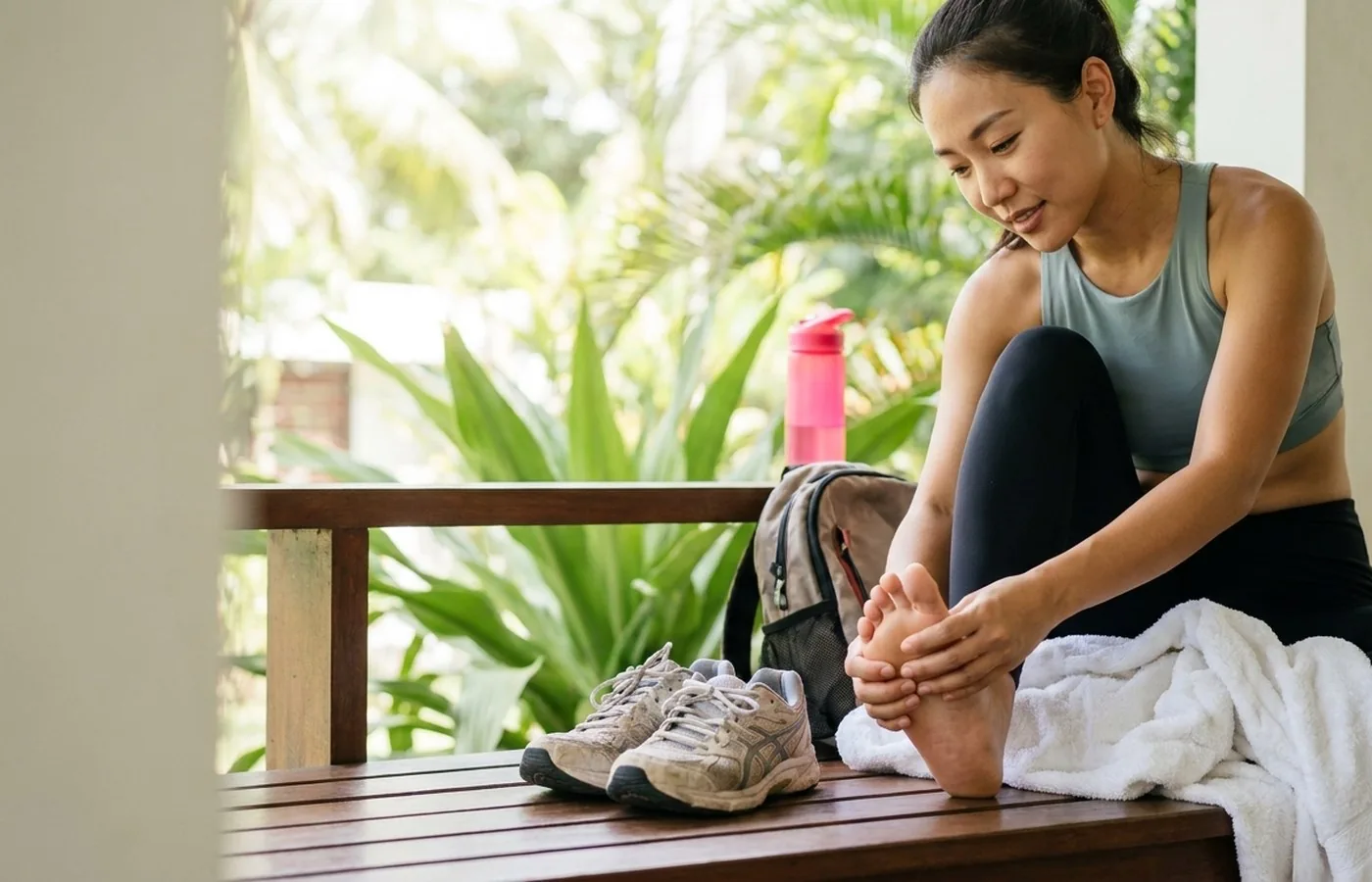
Foot blisters are small problems that can make a normal day feel surprisingly miserable. A shoe rubs in one spot, the skin lifts, and suddenly every step gets your full attention. The good news is that many blisters settle well with simple care. The important part is soothing the area without turning a minor problem into an infected one.
Key points
- Most foot blisters heal best when friction is reduced and the skin is kept clean and protected.
- Natural soothing methods can help comfort, but they do not replace sensible wound care.
- Popping a blister is not always necessary and can raise infection risk if done badly.
- Redness, warmth, pus, or worsening pain are signs to get help instead of guessing.
Why blisters happen so easily on the feet
A blister usually forms when repeated friction, pressure, or moisture irritates the top layers of skin. New shoes, long walks, sweaty socks, sports, and even small fit problems can all create the same result. The feet are especially vulnerable because they deal with heat, weight, and movement all day.
That is why blister care is not only about what you put on the skin after it happens. It is also about stopping the rubbing that caused it. If the shoe keeps hitting the same spot, no soothing trick will do much for long. Prevention and relief belong together.
It also helps to be realistic. A small closed blister is different from a large torn blister, and both are different again from a blister that is getting infected. Mild cases usually settle with home care. Worsening cases need more caution.
Four natural ways to soothe foot blisters
1. Rest the area and reduce friction. The most natural fix is often the least glamorous one. Change shoes, wear softer socks, or pad the spot so the skin is not being rubbed again and again.
2. Use a clean cool compress. A cool compress can calm some of the burning feeling and make walking less irritating for a while. You do not need ice directly on the blister. Gentle cooling is enough.
3. Keep the skin clean and dry. Clean water, gentle drying, and fresh socks go a long way. Moist, dirty, constantly rubbed skin usually heals more slowly.
4. Support healing with a calmer routine. If the blister happened during long walks, training, or hot weather, giving the feet a short break helps more than pretending nothing is wrong. If you are active most days, our sleep and recovery guide is a good reminder that small tissue problems often heal better when the body is not run down overall.
Some people like simple natural barriers such as aloe vera gel around the irritated skin, but the key word is around. Do not smear random products into an open blister without thinking about cleanliness first.
Use this as a starting point, then adjust for your body, conditions and professional advice. A plan is useful only when it responds to you.
What not to do when a blister is bothering you
One common mistake is tearing the skin off because it looks annoying. That raw surface is more exposed and often more painful. Another mistake is pushing through the same shoe or the same activity and hoping the body will somehow stop noticing. Usually it gets worse.
If the blister opens on its own, keep the area clean and covered. If you are thinking about draining a large painful blister, be careful. A badly done home procedure can introduce bacteria. People with diabetes, poor circulation, or immune problems should be especially cautious and may be better off asking a clinician for advice rather than handling it casually at home.
Hydration and general self-care will not magically heal a blister, but hot weather and sweaty feet can make irritation worse. The Hydration Planner can help if long, hot days are part of why your feet keep ending up damp and uncomfortable.
How to use 4 natural ways soothe foot blisters
The best plan is simple: take pressure off the spot, keep it clean, cool it gently if that feels good, and let the skin recover instead of challenging it every hour. That may sound obvious, but obvious care works better than dramatic home remedies.
If blisters keep coming back, look at the cause. Your shoes may fit badly. Your socks may trap too much moisture. Your walking or training routine may need a small adjustment. If exercise form or repetitive stress is part of a bigger pattern, our mobility guide and the 7-Day Habit Planner can help you notice when and where the issue keeps showing up.
And if the blister looks infected, the pain is clearly worsening, or you have health conditions that affect healing, do not leave it to trial and error. Four natural ways soothe foot blisters can help with mild cases, but knowing when not to self-manage is part of good care too.
More on this topic from the archive: 5 New Age Healing Methods to Soothe your Soul, Reasons Dry Lips and 5 Natural Remedies Sweaty Hands and Feet.
This article provides general education and is not a diagnosis or a substitute for personalised medical care. Stop exercise and seek appropriate help for severe, sudden or concerning symptoms.
4 Natural Ways Soothe Foot Blisters: questions answered
Should I pop a foot blister?
+
Usually not unless it is large and very painful, and even then cleanliness matters a lot.
What are signs a blister is infected?
+
Watch for spreading redness, warmth, pus, increasing pain, or fever.
When should I get medical help for a blister?
+
Get advice if you have diabetes, poor circulation, severe pain, or signs of infection.