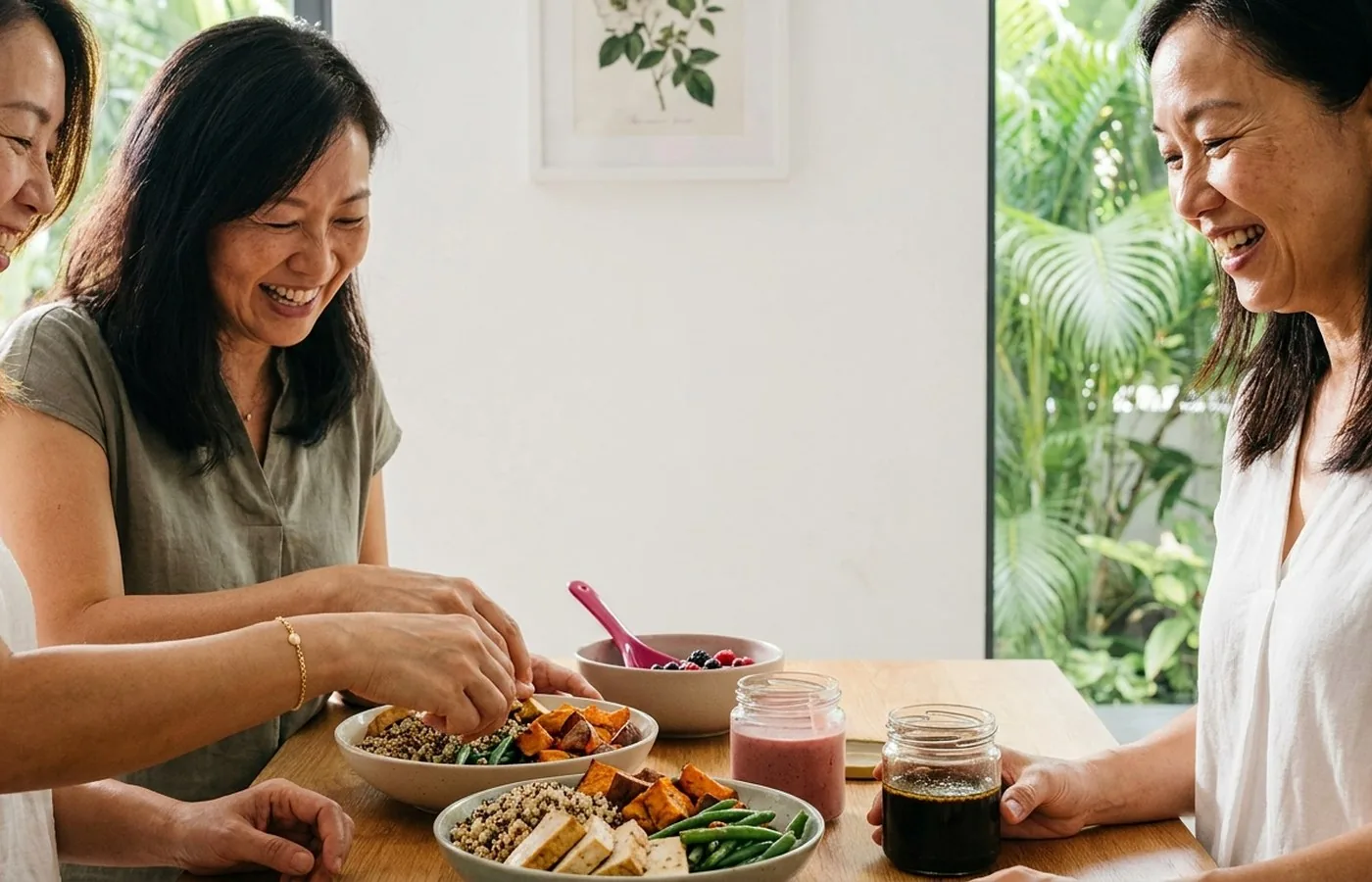
Buying good ingredients is only half the job. A lean fish fillet, a bag of fresh vegetables, or a bowl of wholegrain rice can still turn into a fairly unhealthy plate depending on how it gets cooked. A handful of everyday habits in the kitchen, most of them small and easy to miss, are usually the difference between a meal that supports your goals and one that quietly undoes them.
Key points
- Cooking method and portion habits often matter more than the ingredients themselves.
- Oil, sauce, and salt are usually where the extra calories hide.
- Overcooking vegetables can strip out a fair amount of their nutritional value.
- Small swaps fix most of these mistakes without making meals boring.
Why good ingredients don't guarantee a good meal
It is easy to feel virtuous walking out of the supermarket with vegetables, fish, and brown rice in the bag. What happens next in the kitchen decides a lot more than that shopping trip does. A vegetable stir-fry cooked in a generous pool of oil, or a piece of grilled fish drowned in a sweet glaze, can end up carrying nearly as many calories as a fried dish, just with a healthier reputation attached to it.
This is not about being scared of oil, sauce, or seasoning. It is about noticing where the habits sneak in without you tracking them, because nobody measures a "glug" of oil or a "splash" of sauce the way they would weigh out rice.
The same ingredient can end up in two very different meals depending purely on technique. A chicken breast that is pan-fried in a thin layer of oil and finished with herbs is a different dish, calorie-wise, from the same chicken breast breaded and deep-fried, even though both might get called "chicken" on a menu or in a home-cooked description. That gap is exactly where a lot of quiet calorie creep happens.
If you want a simple reference for what a balanced plate looks like once cooking is done, the Balanced Meal Builder is a good place to check your instincts against.
8 cooking mistakes that quietly add up
- Cooking vegetables in far more oil than the pan needs.
- Overcooking vegetables until they lose a good share of their vitamins.
- Deep-frying "healthy" proteins like fish or tofu instead of baking, grilling, or steaming them.
- Using bottled sauces and marinades loaded with sugar and salt.
- Skipping protein and fibre in a dish, which leaves you hungry again within the hour.
- Pouring dressing straight onto a salad instead of measuring it out.
- Adding salt at every stage of cooking instead of tasting and adjusting once near the end.
- Treating nuts, cheese, or avocado as unlimited "healthy" toppings rather than portioned additions.
None of these mistakes are dramatic on their own. Stacked together across a week of meals, they can quietly cancel out a lot of the good decisions you made at the store.
Use this as a starting point, then adjust for your body, conditions and professional advice. A plan is useful only when it responds to you.
Small swaps that fix these mistakes
Measure oil with a spoon instead of pouring straight from the bottle, at least until you have a feel for what a tablespoon looks like in a pan. Steam, bake, or lightly pan-sear vegetables instead of boiling them into mush or drowning them in oil, which keeps more of their texture and nutrients intact.
Make your own quick sauces from things like lime juice, chilli, garlic, and a little soy sauce rather than reaching for a bottled version every time, since homemade versions are usually far lower in sugar. Build the plate with a clear protein source and vegetables first, then let carbs and extras fill the rest of the space.
If weeknights are the real problem and cooking from scratch feels like too much some days, our meal-prep guide shows how to set up flexible components in advance so good cooking habits do not depend on having energy left after work.
It also helps to season with acid and herbs rather than only salt. A squeeze of lime, a handful of coriander, or a dash of vinegar can make a dish taste more finished without adding any sodium at all, which matters if you are trying to cut back without eating food that tastes flat and unfinished.
How fixing these mistakes helps you eat better every day
None of this requires becoming a different cook. It just means paying attention to the handful of habits that quietly turn a healthy ingredient list into a much heavier plate. Measure the oil. Watch the sauce. Do not overcook the vegetables into nothing. Those three changes alone fix most of the damage.
If you eat out often, the same thinking applies to ordering, not just cooking. Our hawker-centre guide covers how to spot the same traps on a menu instead of at your own stove. For more everyday food guidance like this, the food hub is worth bookmarking.
Good ingredients deserve good cooking habits to match. Fix the small stuff in the pan, and the healthy food you bought stays healthy by the time it reaches your plate.
What is the single easiest fix?
Measuring oil and sauce with a spoon for a week or two, until you have a realistic feel for how much you are using.
More on this topic from the archive: 9 Pantry and Kitchen-Ware Must-Haves for Easier Healthy Cooking, These Singapore Hawker Foods Are Not as Unhealthy as You Think and 5 Healthy Foods You Should Eat Every Day.
This article provides general education and is not a diagnosis or a substitute for personalised medical care. Stop exercise and seek appropriate help for severe, sudden or concerning symptoms.
8 Common Cooking Mistakes That Turn Healthy Food Unhealthy: questions answered
Does overcooking vegetables really matter that much?
+
It can meaningfully reduce certain vitamins, especially with prolonged boiling, though the vegetables are still worth eating either way.
Is oil really that easy to overuse?
+
Yes. A few unmeasured glugs from the bottle can add several hundred calories to a dish without changing how it looks.