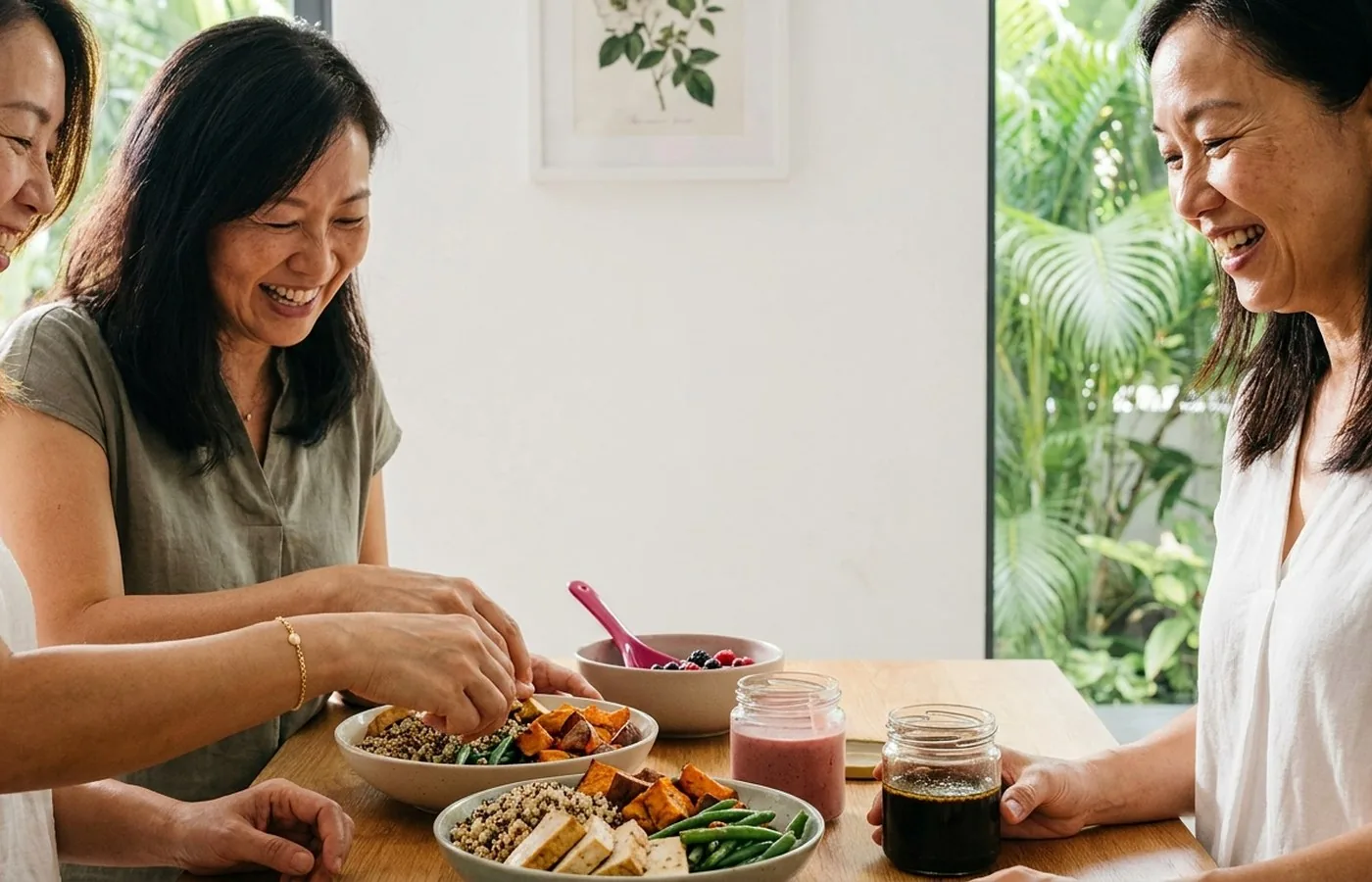
Rice is a staple for good reason: it is easy to cook, pairs with almost anything, and shows up across most cuisines in Singapore. But eating the exact same base every day can get repetitive, and a few alternatives bring more fibre and nutrients along for the ride. Here are five worth rotating in, without treating rice itself as something to avoid.
Key points
- Rice is not unhealthy, but rotating in alternatives adds variety and fibre.
- Whole grains and legume-based options tend to be more filling gram for gram.
- Cauliflower rice works well when you want a lighter, lower-carb base.
- The best alternative is one you will keep cooking, not just try once.
Why rotate away from rice sometimes
There is nothing wrong with rice as a regular part of your diet. The case for rotating in alternatives is mostly about fibre, variety, and making meals feel a bit more interesting over time. Many rice alternatives bring more fibre per serving, which can help meals feel more filling on a similar portion size.
This is especially useful if you eat rice at most meals already and want more variety without giving up the format of a grain or starch base holding your plate together.
Fibre also matters for reasons beyond fullness. A diet that leans heavily on refined starches and very little else can leave gut health and steady energy levels a bit worse off than one that includes a wider mix of whole grains and legumes across the week.
Blood sugar response is another reason some people look for alternatives. Grains and legumes with more fibre and protein tend to raise blood sugar more gently than a large plate of plain white rice, which can help some people feel steadier between meals rather than hungry again soon after eating.
Five alternatives worth trying
- Quinoa: Cooks similarly to rice but brings more protein and fibre to the plate.
- Cauliflower rice: A lighter, lower-carb option that works well in stir-fries and bowls.
- Barley: Chewier and higher in fibre, good in soups and grain bowls.
- Brown rice: Still rice, but the bran layer adds fibre that white rice loses in processing.
- Lentils, cooked to a rice-like texture: Adds plant protein and fibre for a heartier base.
Each of these can replace rice directly in most recipes, from a simple stir-fry to a grain bowl, without needing to change much else about the meal.
Use this as a starting point, then adjust for your body, conditions and professional advice. A plan is useful only when it responds to you.
How to make the swap stick
The easiest way to start is to swap one meal a week rather than overhauling every dinner at once. Try quinoa under a stir-fry you already make, or cauliflower rice alongside a curry you already cook regularly. Small swaps are far more likely to become permanent than a full pantry overhaul done in one weekend.
Cooking a batch of an alternative grain ahead of time also makes it easier to use during a busy week, since the extra prep step is already done. Our meal-prep guide covers how to build that kind of routine without it becoming a whole Sunday project.
If you eat rice mostly through hawker meals, our hawker-centre guide can help you build balance around rice-based dishes even when the alternative options are not on the menu.
Taste and texture also matter more than people admit. Quinoa can feel a bit unfamiliar the first time, and cauliflower rice does not behave exactly like rice in every dish. Give a new option two or three tries in different recipes before deciding it is not for you, since the first attempt does not always show off an ingredient at its best.
Deciding which rice alternatives fit your plate
None of these alternatives need to replace rice completely. The goal is variety and a bit more fibre in your week, not treating a normal staple food as a problem. Rotate in one or two options that you genuinely enjoy the taste and texture of, and let rice stay part of the mix too.
A reasonable target for most people is one or two meals a week built around an alternative grain, with rice remaining the default the rest of the time. That is usually enough to add real variety without turning grocery shopping and meal planning into extra work you will not keep up.
If weight management is part of what brought you here, the weight-loss hub covers more of the food habits that matter alongside grain choices like this. Five healthier alternatives to rice worth trying is really about adding options to your plate, not taking one away.
More on this topic from the archive: 6 Healthier Alternatives to Isotonic Drinks, Making Fried Rice and Fried Bee Hoon a Bit Healthier and 7 Chinese New Year Snacks and How Their Calories Compare to a Bowl of Rice.
This article provides general education and is not a diagnosis or a substitute for personalised medical care. Stop exercise and seek appropriate help for severe, sudden or concerning symptoms.
5 Healthier Alternatives to Rice Worth Trying: questions answered
Is rice unhealthy?
+
No. Rice can be part of a balanced diet. Alternatives simply add variety and, in some cases, more fibre.
Is cauliflower rice a good rice substitute?
+
It works well for a lighter, lower-carb option, especially in stir-fries and bowls.
Do I need to give up rice completely to eat healthier?
+
No. Rotating in alternatives sometimes is enough. Rice does not need to be eliminated.
