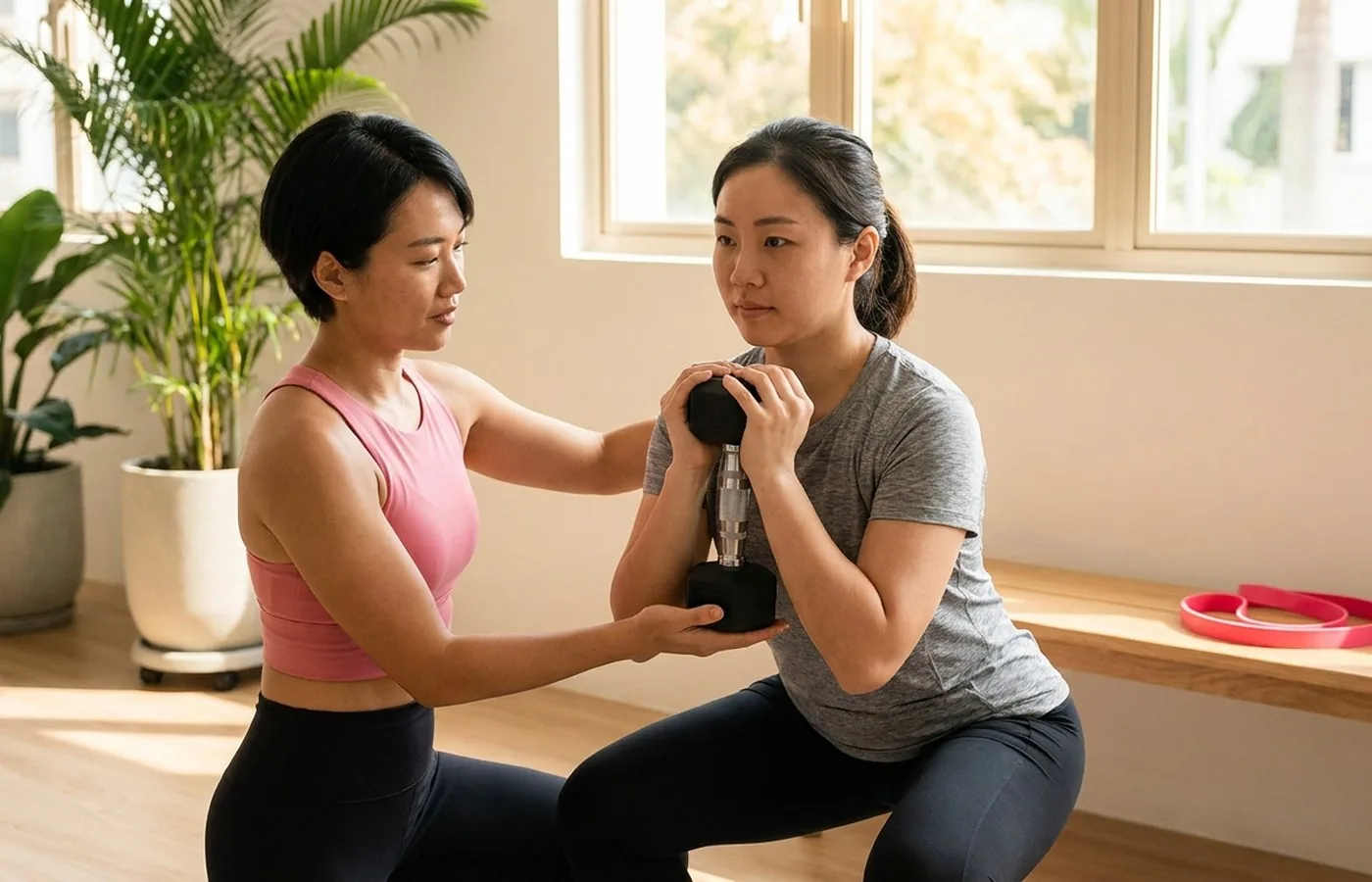
Hearing that your child wants to do a CrossFit-style class can bring up a mix of feelings: proud that they want to move, and a little unsure whether the sport is safe for a growing body. The honest answer is that it depends far more on the coaching and the program than on the label on the door. Here is what matters if your kid does CrossFit.
Key points
- Youth strength and conditioning classes can be safe and useful with proper coaching.
- Form, load, and program design matter far more than the label on the gym.
- Kids benefit from variety and play, not just heavier lifts as fast as possible.
- Good coaches scale everything to the child, not the other way around.
Why a kids' strength class is not the same as an adult one
A well-run youth program should not look like a scaled-down adult class. Children are still developing coordination, joint control, and body awareness, so the goal is usually to build movement skills, confidence, and a positive relationship with training, not to chase heavy loads or fast times. A good coach will spend far more time on how a child squats, jumps, and lands than on how much weight is on the bar.
That does not mean strength training itself is unsafe for kids. Plenty of research supports supervised strength work for children and teens. The real variable is program quality: are classes small enough for real coaching, is technique checked before load is added, and is competition treated as a bonus, not the whole point.
If you are trying to build your own understanding of good strength coaching, our beginner strength guide covers the basics that apply at any age, just scaled to the person doing them.
What to look for in your kid's class
- Coaches who explain and demonstrate movement before adding any load or intensity.
- Class sizes small enough that a coach can watch each child's form.
- Sessions that include play, coordination work, and variety, not only repeated lifts.
- A clear willingness to scale down movements for a child who is not ready for the full version.
- Open communication with parents about how progress and load are being managed.
If a class checks most of these boxes, it is likely being run responsibly. If a coach brushes off form questions or pushes intensity before technique is solid, that is worth raising directly with the gym, or looking elsewhere.
Use this as a starting point, then adjust for your body, conditions and professional advice. A plan is useful only when it responds to you.
The real risks and how good programs manage them
The concerns parents usually have are reasonable: growth plates, overuse, and a child pushing past what their body is ready for because they want to keep up with older kids or impress a coach. These are real risks in any youth sport, not something unique to strength-based classes. They are managed the same way in any physical activity: appropriate coaching, sensible progression, and enough recovery between sessions.
Sleep and recovery matter just as much for kids as for adults, arguably more, since growing bodies are doing extra repair work on top of normal training recovery. If your child trains several times a week, our sleep and recovery guide explains why rest is not the boring part of the plan, it is part of the plan.
It also helps to keep an eye on your child's own enthusiasm. A class that leaves them tired but proud is very different from one that leaves them dreading the next session. Their reaction over time tells you a lot more than any single workout does.
How to think about it if your kid does CrossFit
A strength-and-conditioning style class can be a genuinely good thing for a child: it can build confidence, coordination, and a habit of moving that can last well into adulthood. The label on the gym matters far less than what happens inside the session. Watch a class if you can. Ask questions about scaling and coaching. Pay attention to how your child feels the next day, not just how hard the session looked.
If you want to build a home routine that complements what your child is doing at the gym, the Workout Builder can help you put together simple, age-appropriate movement sessions. And if your own habit of showing up consistently has been slipping, our guide to building a fitness habit works just as well for the parent cheering from the sidelines.
If your kid does CrossFit and the coaching is solid, there is a good chance they are building something that will serve them long after this particular class ends: a body that moves well and a habit of showing up for it.
What is a warning sign in a youth class?
A coach who rushes past form checks or pushes heavier loads before technique is solid.
More on this topic from the archive: Is CrossFit Right for You? What to Know Before Trying It in Singapore.
This article provides general education and is not a diagnosis or a substitute for personalised medical care. Stop exercise and seek appropriate help for severe, sudden or concerning symptoms.
So Your Kid Does CrossFit — Here's What Parents Should Know: questions answered
Is CrossFit safe for kids?
+
It can be, when the program is coached well, scales load appropriately, and prioritises technique over intensity.
At what age can kids start strength training?
+
Many children can begin supervised, age-appropriate strength work well before their teenage years, as long as coaching quality is high.