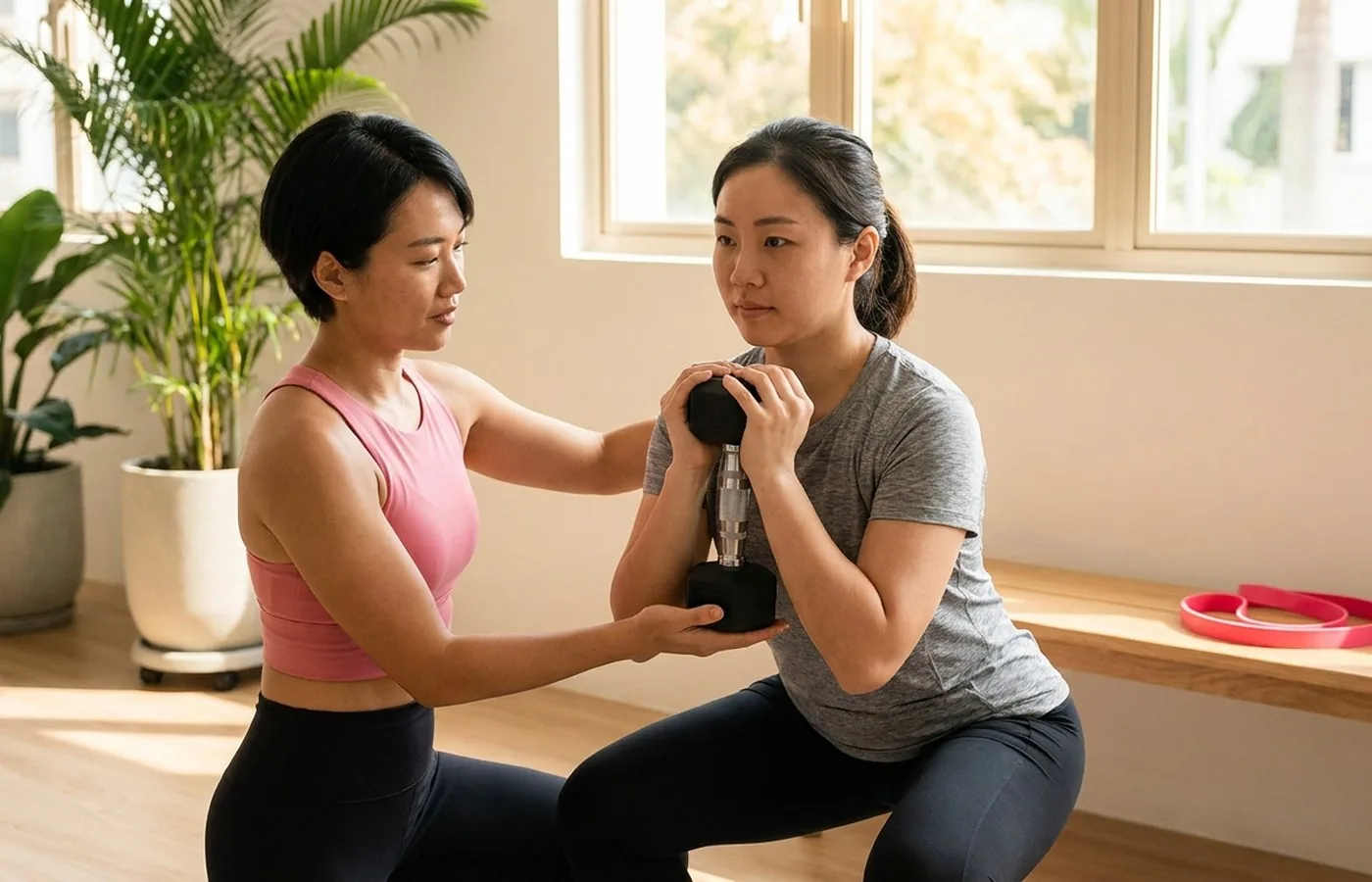
A lot of studios now put entire classes online free of charge, from yoga flows to full strength circuits. That is a genuinely good thing for anyone short on money, time, or confidence to walk into a studio in person. The catch is that free and easy to access does not automatically mean easy to stick with. A saved link sitting unopened in your browser does nothing for you. Here is how to use these classes so they become a real part of your week.
Key points
- Free online classes remove cost and confidence barriers, but not the habit problem.
- Treating a class like a fixed appointment works better than 'whenever I get to it.'
- A short, honest class beats a long, ambitious one you keep postponing.
- Mixing formats keeps the free-class habit from going stale.
Why free classes are a genuine opportunity
Cost and intimidation stop a lot of people from ever trying a class in person. A free online session removes both problems at once. Nobody is watching you fumble through your first downward dog, and there is no membership fee standing between you and trying something new. That makes free online classes one of the easiest on-ramps into a regular movement habit, especially for people who have felt out of place in gyms or studios before.
The range matters too. Studios now post everything from gentle mobility sessions to full sweat-inducing circuits, which means you can match the class to how your day feels instead of forcing yourself into one fixed format. If a public studio still feels intimidating for you personally, our first gym visit guide can help with that step later, once online classes have built some confidence.
The mistake that wastes most free classes
The biggest mistake is treating a free class as something to do "when you get a chance." That usually means never. A class that lives only as an open tab or a bookmarked link competes with everything else pulling at your attention that day, and it almost always loses. The fix is boring but effective: pick a day and a rough time, and treat the class like an actual appointment rather than an option.
Keeping the same format on repeat also helps. Doing the exact same 20-minute strength class every Tuesday, for instance, removes the daily decision of what to do today, which is often the real thing stopping people from starting. If routine has been your weak spot generally, the Habit Planner can help you build that kind of small, repeatable anchor.
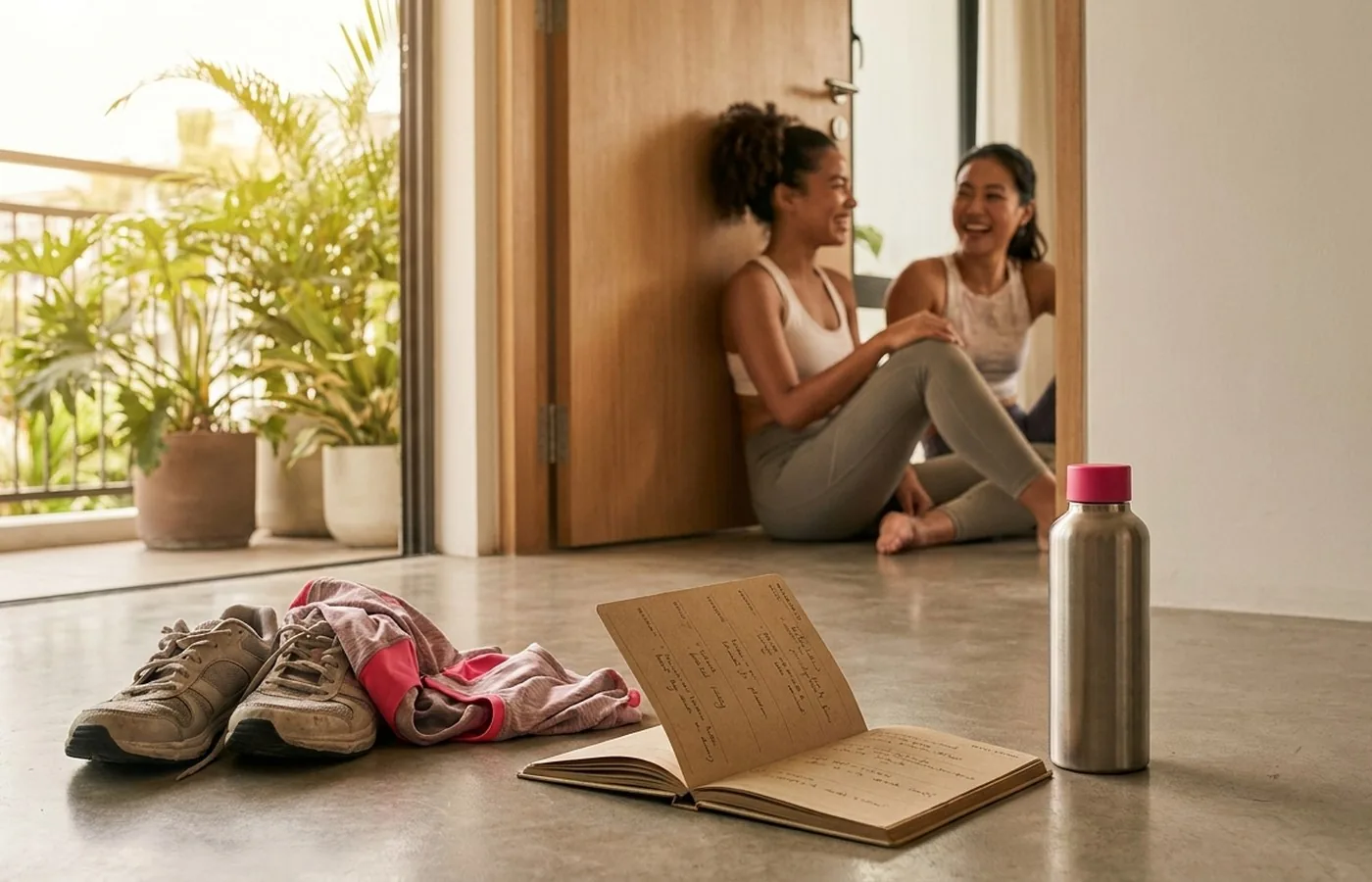
It also helps to prepare the small logistics in advance. Lay out your clothes, clear a patch of floor, and have water within reach before the class time arrives. None of that sounds important on its own, but it removes the tiny excuses that otherwise pile up and quietly talk you out of pressing play.
Use this as a starting point, then adjust for your body, conditions and professional advice. A plan is useful only when it responds to you.
Building a mix that keeps things interesting
Sticking to one single free class forever tends to get stale fast, and stale is often when people quietly stop showing up. A better approach is picking two or three classes you enjoy and rotating between them across the week: maybe a short strength circuit, a slower mobility session, and one class that is just a bit more fun than useful. Variety keeps the habit alive without turning it into a research project every time you sit down to train.
If you are building a home setup around these classes, our 20-minute home workout guide covers the small amount of gear that makes most online classes far more usable, without needing a home gym.
Rotating classes also protects you from plateauing on one single style. A strength circuit builds a different kind of fitness than a mobility flow, and switching between the two across a week tends to leave you feeling more capable overall than repeating the exact same twenty minutes on a loop for months.
Turning free online classes into a habit that holds
Free online studio classes are one of the lowest-barrier ways to get moving that exists right now. The value is not in the number of classes saved to your list. It is in the handful you press play on, repeatedly, until showing up feels normal instead of effortful. Pick a short list, give each one a fixed slot in your week, and let the habit build slowly instead of trying to conquer every studio's whole library at once.
If you want more restored practical guides in this same vein, the fitness hub is where older SHAPE content is being rebuilt with a bit more honesty about what helps people stay consistent.
More on this topic from the archive: How to Find Good Free Online Yoga Classes, Self-Practice or Studio Classes: Which Fits Your Yoga Goals Better and How Free Trial Fitness Classes Work (And How to Find Current Ones).
This article provides general education and is not a diagnosis or a substitute for personalised medical care. Stop exercise and seek appropriate help for severe, sudden or concerning symptoms.
How to Get Value From Free Online Studio Classes: questions answered
Are free online classes as good as in-person ones?
+
They can be a great starting point and a useful ongoing habit, though in-person classes offer feedback on your form that video cannot.
How many classes should I try before picking favourites?
+
A handful across different styles is usually enough to find two or three you genuinely want to repeat.
What if I keep forgetting to do the class?
+
Treat it like a fixed appointment on your calendar instead of an open-ended intention.