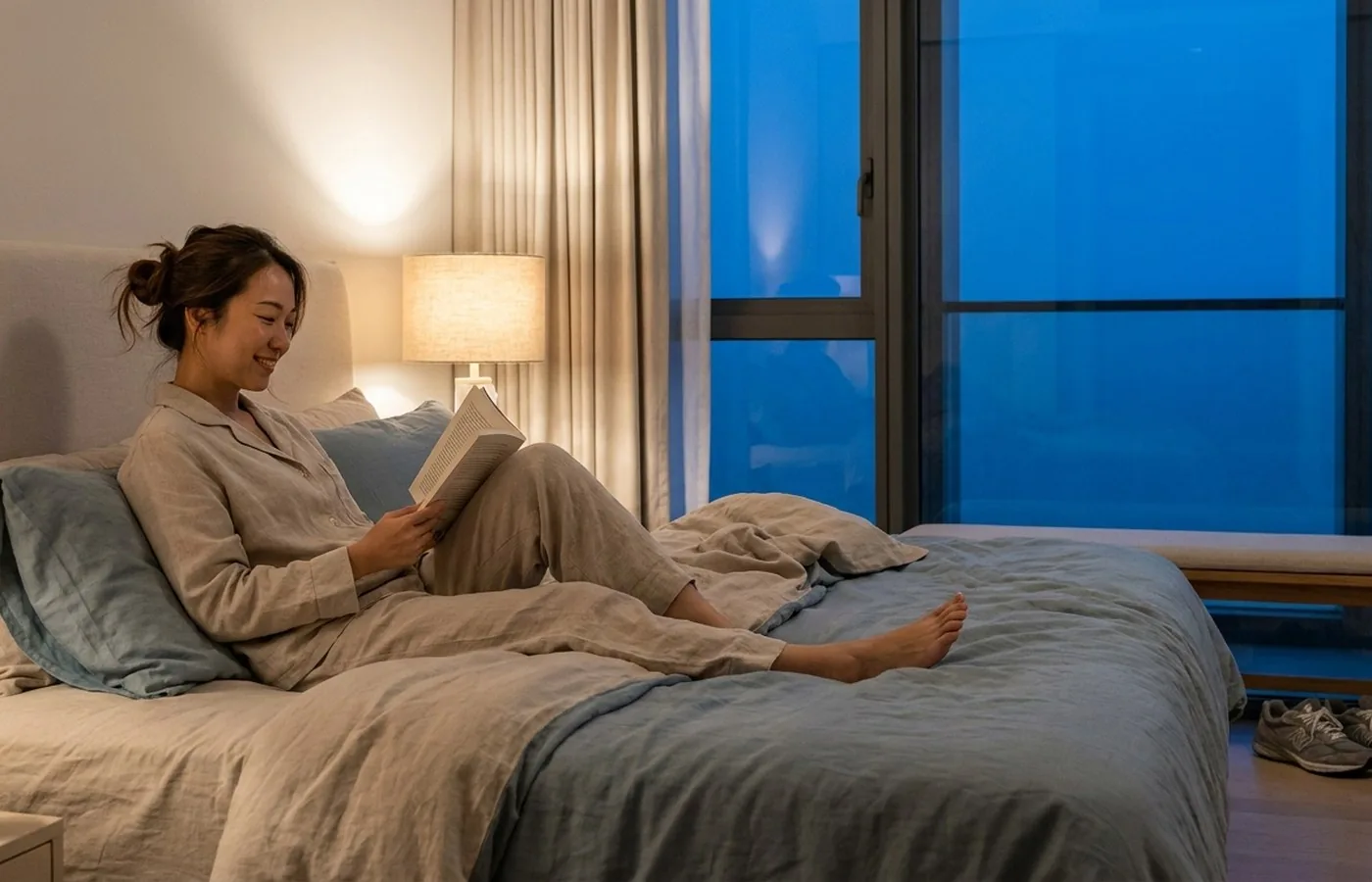
Old headlines sometimes made it sound like sleeping with the lights on makes you fat. That is too simple. A lamp or television glow does not magically create body fat by itself. What matters more is what light does to sleep quality. If bright light keeps sleep shallow or short, it can leave you hungrier, more tired, and less likely to make steady choices the next day. That is the real link worth paying attention to.
Key points
- Light at night may affect sleep quality, which can then affect appetite and routine.
- The main issue is not fat appearing from light itself but poorer recovery and more tired choices.
- Darker, calmer sleep setups often help people rest better.
- Better sleep supports weight loss by helping hunger and energy feel steadier.
Why people connect light at night with body fat
Sleep and weight are closely linked, so it is easy for headlines to oversimplify. Research often finds that poor sleep habits go along with higher body weight, but that does not mean one exact bedroom detail explains everything. People who sleep with lights on may also have stressful schedules, screen-heavy nights, short sleep, or irregular routines.
Still, light matters because your body uses light cues to know when it is time to wind down. A very bright room, a television flicker, or a phone in your face right before sleep can make that wind-down harder. Then the next day starts with less energy and more food noise.
If you want the broader picture, our sleep and recovery guide explains how rest affects hunger, training, and decision-making. The problem is usually the whole sleep setup, not one little bulb alone.
How poor sleep can make weight loss harder
When sleep is short or broken, many people feel hungrier the next day. They also tend to want quick comfort foods more than slow, balanced meals. That makes sense. A tired brain loves easy rewards.
Poor sleep can also change activity. A person who slept badly is less likely to walk, train, cook, or even think clearly about meals. The whole day becomes more reactive. That is one reason sleep problems can look like food problems by afternoon.
Hydration and routine matter here too. If you wake up tired, dehydrated, and already late, the day usually gets messy fast. The Hydration Planner can help if your mornings begin dry and foggy, and the 7-Day Habit Planner is useful if nights keep sliding later than you want.
Use this as a starting point, then adjust for your body, conditions and professional advice. A plan is useful only when it responds to you.
What to do if your room is too bright at night
Start simple. Use blackout curtains if you need them. Turn off the television instead of falling asleep to it. Dim lamps an hour before bed. Put the phone farther away so you are not scrolling under bright light right up to sleep.
You do not need a perfect sleep cave. You just want the room calm enough that your body gets a clear message. Darker, quieter, cooler usually works better than bright, noisy, and hot.
It can also help to stop eating large, heavy meals right before bed if that keeps you uncomfortable and awake. If dinner quality is part of the problem, the Balanced Meal Builder can help you keep late meals simpler and more satisfying.
The best test is boring but useful: improve the room for one week and watch what happens to energy, hunger, and night-time scrolling. You may notice more change than you expect.
How sleeping with lights on may affect fat gain
Sleeping with lights on may affect fat gain in an indirect way. If light keeps sleep worse, and worse sleep makes appetite louder and routines sloppier, body weight can move up over time. That is the real chain. It is about habits and recovery, not bedroom light acting like a calorie source.
If you want more restored pages around sleep and weight, the weight-loss hub pulls the old SHAPE archive into one place with calmer advice. Make your room darker if you can. Protect sleep like it matters. Because for weight loss, mood, and energy, it really does.
Even small changes can help here. Turning off the television, dimming the hallway light, or charging your phone away from the bed may sound minor, but they can make the night feel calmer. A calmer night often leads to a better morning, and better mornings tend to make food and movement choices easier.
Sometimes the smallest change is not flashy at all. It is just switching the light off and giving tomorrow a better start.
This article provides general education and is not a diagnosis or a substitute for personalised medical care. Stop exercise and seek appropriate help for severe, sudden or concerning symptoms.
Sleeping Lights on Fat: questions answered
Does sleeping with a light on directly cause fat gain?
+
Not directly. The bigger issue is whether light disrupts sleep and makes next-day habits harder.
Is television light at night a problem?
+
For some people, yes. The brightness and stimulation can make sleep lighter or later.
What is the first sleep change to try?
+
Make the room darker and reduce bright screens close to bedtime.