It is easy to blame one wrinkle on the side you sleep on. Real skin ageing is bigger than that. Pressure from a pillow can leave lines, but sun, dryness, smoking, stress, and poor sleep often matter much more over time.
Key points
- Side and stomach sleeping can press skin into the pillow and leave temporary lines.
- Temporary sleep lines are not the same thing as deep long-term wrinkles.
- Good sleep, gentle skincare, and sun protection matter more than chasing one perfect position.
- If changing position ruins your sleep, protect sleep first and tweak the rest around it.
What your sleep position can and cannot do
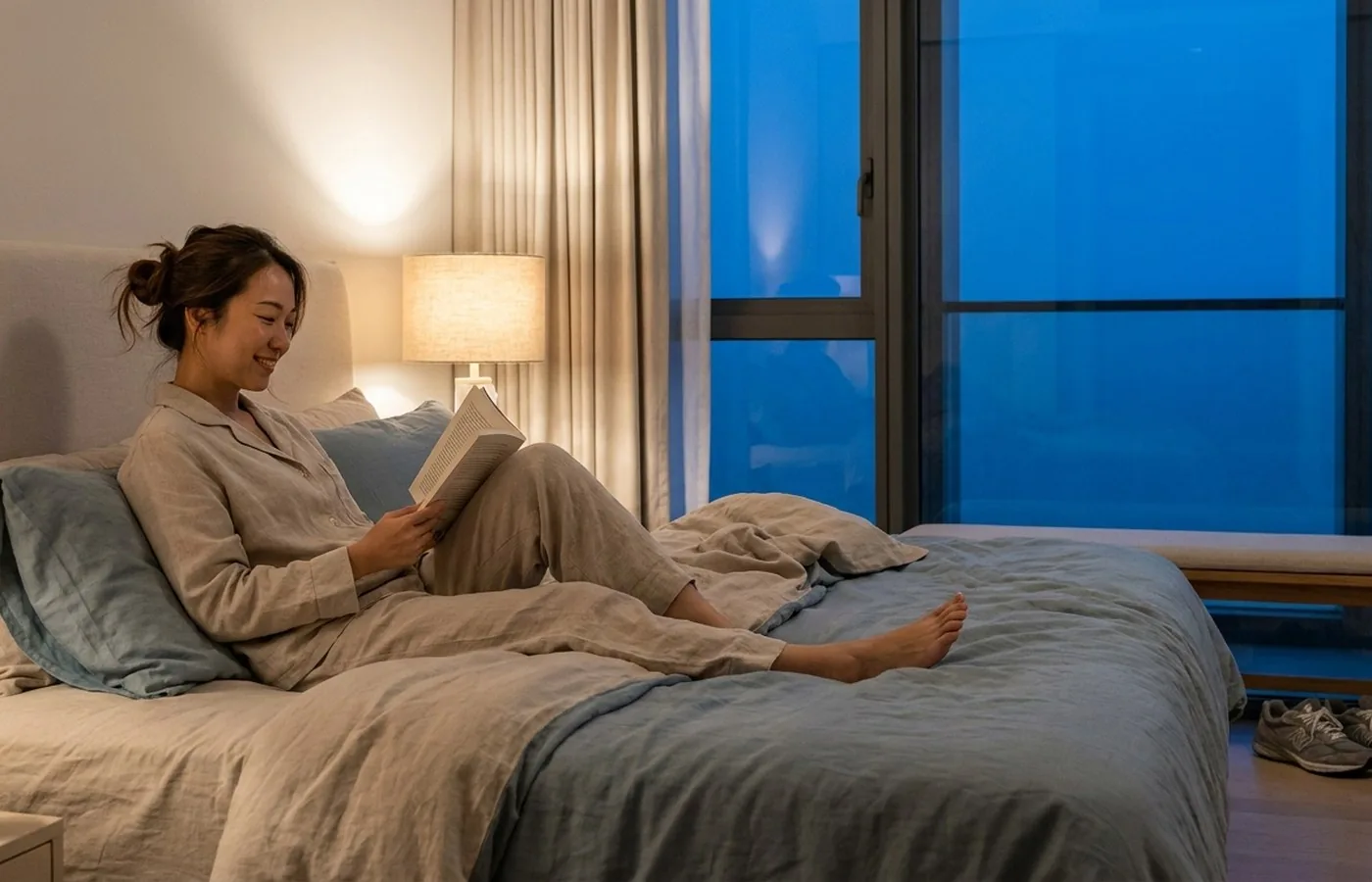
When you press the same part of your face into a pillow night after night, the skin can crease. You see that most clearly in the morning as sleep lines on the cheek, under-eye area, or side of the mouth. In younger skin, those lines often fade quickly. In skin that is drier or less springy, they may hang around longer.
That does not mean sleeping on your side is some beauty disaster. Plenty of people sleep that way for comfort, breathing, or pregnancy support. A good night of sleep still matters more than forcing yourself into a position that leaves you awake and annoyed. If sleep quality has been rough lately, start with our guide to sleep and recovery before trying to police your pillow like a coach.
It is also worth being careful with dramatic claims. A single habit almost never explains all the change you see in the mirror. Faces age because of time, light, stress, genetics, smoking, skin care, and how well you sleep overall. Position is one small part of a much bigger picture.
Why side and stomach sleeping can leave more lines
Pressure and friction are the main reasons. When one side of the face stays pressed into fabric for hours, the skin folds in the same direction. Stomach sleeping can add even more pressure because the face is often turned sharply into the pillow.
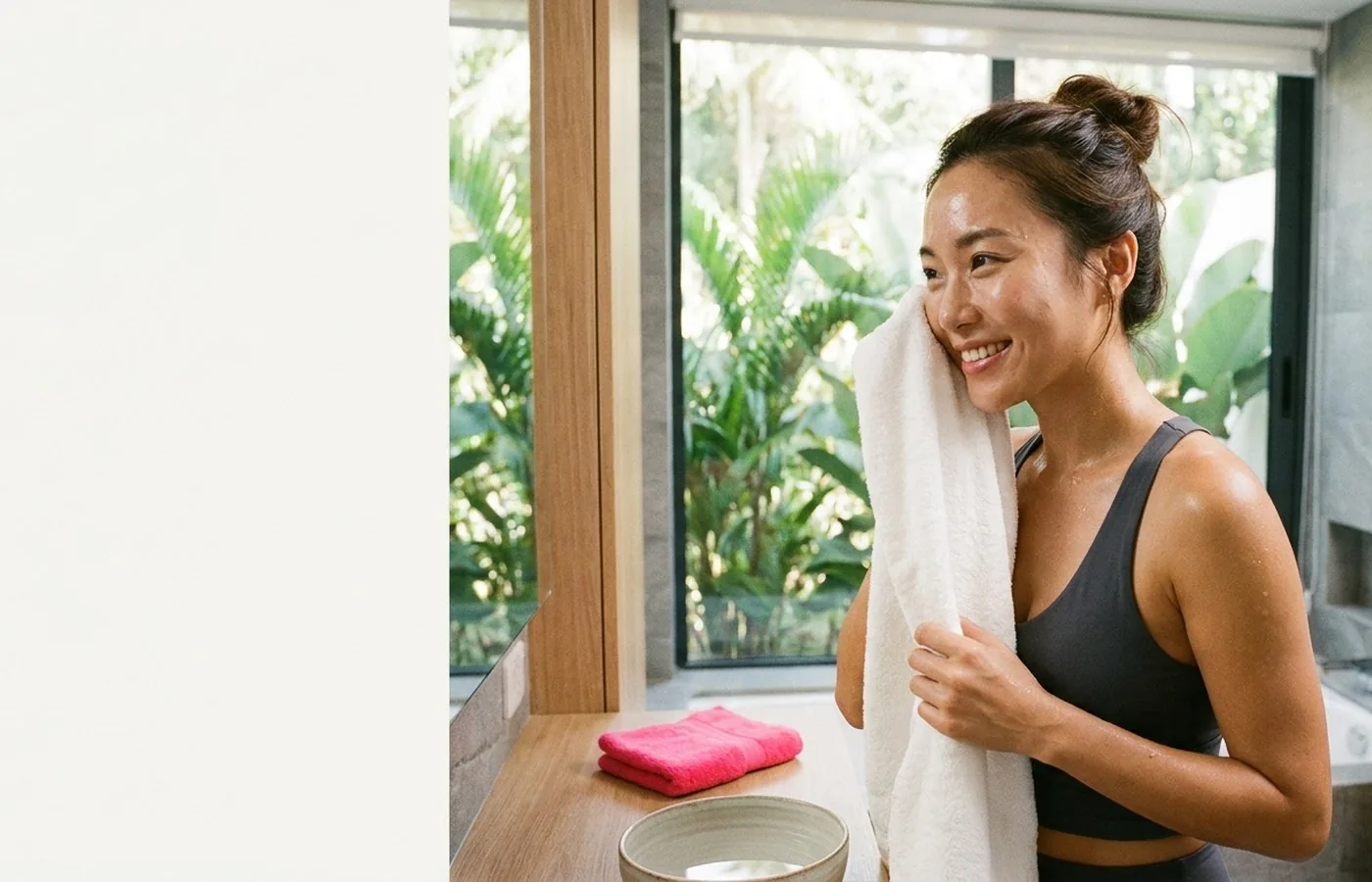
Dry skin can make those lines look worse. So can a rough bedtime routine, late nights, and too much sun exposure during the day. That is why skincare still matters. Our post-workout skincare guide covers the simple basics: gentle cleansing, light moisturising, and not overdoing harsh actives when your skin is already stressed.
Hydration matters too, though it is not a magic fix. If you live in air-con, sweat a lot, or keep forgetting water, the Hydration Planner can help you set a simple daily baseline. Skin likes steadiness more than hero moves.
Use this as a starting point, then adjust for your body, conditions and professional advice. A plan is useful only when it responds to you.
The skin habits that matter more than one pillow line
If you want skin to look better over time, focus first on the big rocks: sun protection, enough sleep, gentle cleansing, moisturiser that suits your skin, and not smoking. Those things beat fancy panic every time.
It also helps to stop scrubbing your face like it owes you money. A damaged skin barrier can leave skin looking dull, tight, and older than it is. If your skincare routine has twelve steps and still leaves you irritated, simpler may be better.
Stress shows up here too. Short sleep and high stress can make your whole face look tired, even if your products are good. That is one reason lifestyle pages on the SHAPE lifestyle hub now sit closer to recovery, movement, and food instead of pretending beauty lives in a separate box.
Even your room can change how your skin feels in the morning. Cold air-con, long hot showers, or going to bed with makeup still on can leave the face tight and rough. That kind of dryness can make every fine line look more obvious than it really is.
How to change the sleep position that might be making you look older
If you want to experiment, make the change gentle. Try a silk or satin pillowcase if you like the feel, use a pillow that supports the neck better, or place another pillow behind your back so side sleeping feels less collapsed. You can also work on your pre-bed routine so better sleep comes easier and position matters less.
Do not force back sleeping if it makes you snore more, wake often, or feel uncomfortable. A softer face line is not worth a worse night. You want a setup that helps you sleep well and wake with skin that is not angry.
So yes, your sleep position might be making you look older in a small, very normal way. But it is rarely the full reason. Better sleep, kinder skincare, and daily sun care usually give you more return than trying to freeze yourself in one perfect pose all night.
Do silk pillowcases erase wrinkles?
No. They may reduce friction for some people, but they do not replace sunscreen, moisturiser, and sleep.
Why do the lines look worse some mornings?
Dry skin, short sleep, heat, and pressure can all make temporary lines look stronger.
More on this topic from the archive: Why Small-Group Workshops Might Be the Fitness Format You're Missing and Why Your Office Might Be Behind Your Sudden Breakouts.
This article provides general education and is not a diagnosis or a substitute for personalised medical care. Stop exercise and seek appropriate help for severe, sudden or concerning symptoms.
Your Sleep Position Might Be Making You Look Older: questions answered
Is back sleeping always best for skin?
+
It reduces face-to-pillow pressure, but it is not automatically the best choice if it hurts your sleep quality.