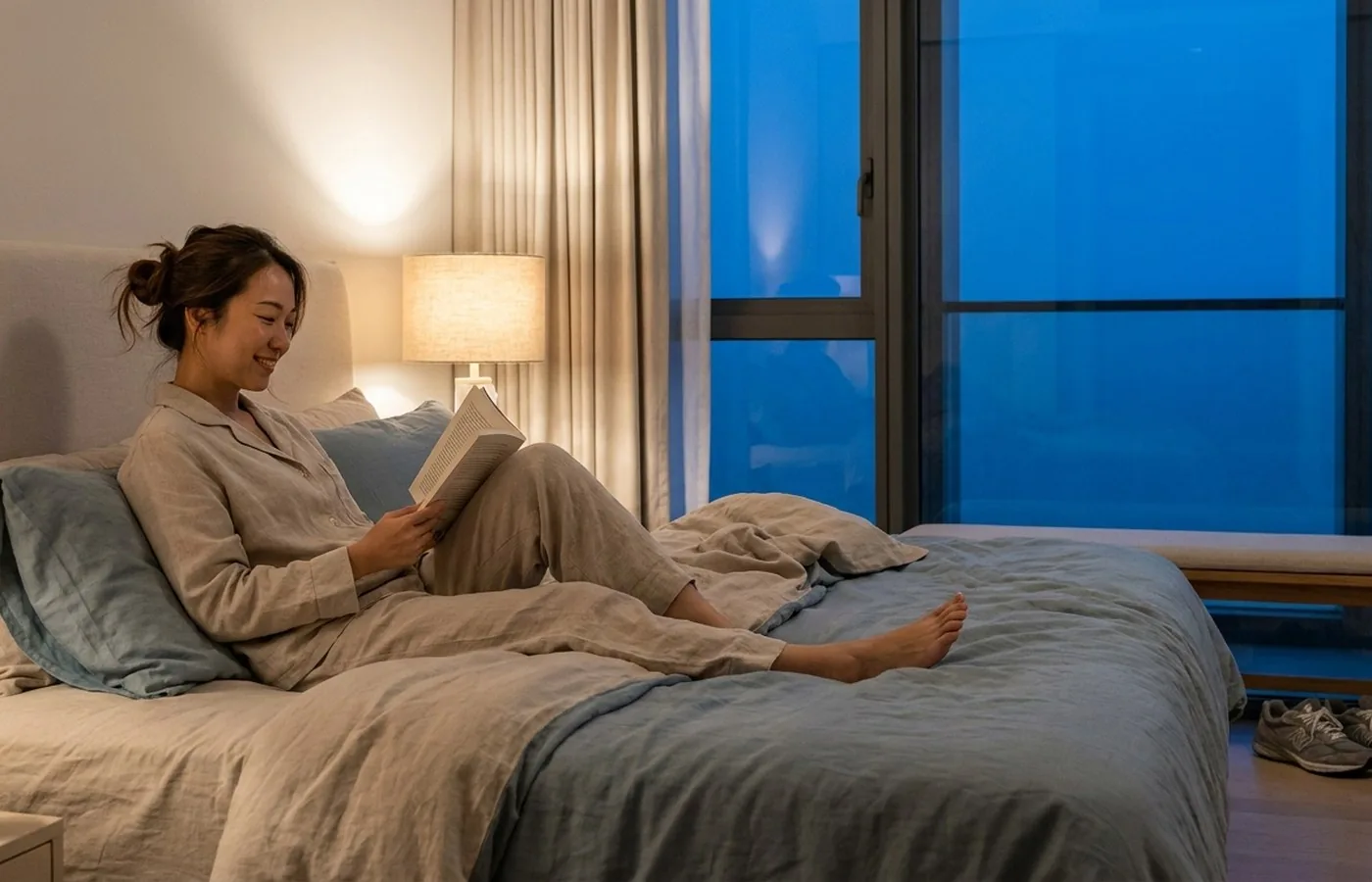
Sleep apnoea gets ignored because it happens when you are unconscious. Many people think of it as just snoring, or as something to joke about if a partner complains. But sleep apnoea can mean repeated breathing pauses or reduced airflow during sleep, and that can leave the body under strain night after night. A big statistic may grab attention, but the more useful point is this: if your nights are noisy, broken, or leaving you exhausted and foggy, it is worth taking seriously instead of normalising it.
Key points
- Sleep apnoea is about disrupted breathing during sleep, not just ordinary snoring.
- Signs can include loud snoring, gasping, choking, morning headaches, and heavy daytime sleepiness.
- Untreated sleep apnoea can affect safety, mood, concentration, and wider health.
- Only proper medical assessment can diagnose sleep apnoea and guide the right treatment.
Why sleep apnoea matters more than people realise
When breathing keeps getting interrupted during sleep, the body does not get the same steady rest it should. Even if you technically spend enough hours in bed, your sleep may still be poor quality. That is one reason people with sleep apnoea may wake tired, headachy, irritable, or strangely foggy even after what looked like a full night.
It also matters because poor sleep affects almost everything else. Concentration gets worse. Mood can dip. Cravings and appetite can get messier. Driving and work can feel less safe when daytime sleepiness is strong. That is why sleep apnoea is a real health topic, not just an annoying bedtime habit.
If you want the wider context around rest and recovery, our sleep and recovery guide is the best companion piece. It will not diagnose apnoea, but it does show how much good sleep supports the rest of life.
Signs that point beyond simple snoring
Snoring alone does not prove sleep apnoea. But loud habitual snoring, choking or gasping during sleep, witnessed breathing pauses, waking unrefreshed, morning headaches, and strong daytime sleepiness all make the picture more concerning.
Some people also notice poor focus, low patience, and a feeling that they could fall asleep too easily during quiet parts of the day. A partner may spot the night signs before the person sleeping notices anything themselves. That outside view can be important.
It helps not to shrug off repeated tiredness as just being busy. If the body keeps acting under-rested despite enough time in bed, something may be interfering with sleep quality. A rough context check like the BMI and risk context tool can sometimes help people think more broadly about health risk, but it is not a diagnosis and cannot tell you whether you have sleep apnoea.
The key is pattern. One loud night after a cold is not the same as a long-running story of heavy snoring and daytime fog.
Use this as a starting point, then adjust for your body, conditions and professional advice. A plan is useful only when it responds to you.
Why proper assessment matters so much
Sleep apnoea cannot be reliably diagnosed from guesswork or from one article. A clinician may ask about symptoms, sleep patterns, partner observations, and medical background. Sleep studies or other formal assessment may be part of working out what is going on.
That matters because not every tired snorer has the same problem, and not every breathing issue during sleep needs the same response. The right care depends on the actual pattern and severity, not on how dramatic the snoring sounds in the next room.
If stress is also muddying the sleep picture, our movement-for-stress guide may help with the body side of winding down, but it is not a replacement for assessment of suspected apnoea. Nor is better bedtime routine alone enough if breathing is being disrupted through the night.
Taking the problem seriously is not overreacting. It is the sensible step when sleep is clearly not doing its job anymore.
How to think about the shocking sleep apnoea headline on Wednesday, August 5, 2026
On Wednesday, August 5, 2026, the most useful response to a shocking sleep-apnoea headline is not to memorise the number. It is to ask whether your own sleep story includes repeated loud snoring, gasping, morning headaches, or heavy daytime sleepiness that needs proper attention.
The health hub explains how sleep symptoms connect with wider health questions. Here, the most important thing is direct: if sleep looks and feels badly broken, get assessed rather than telling yourself it is just part of getting older or being busy.
That is how to think about the claim that many Singaporeans may suffer from sleep apnoea. Use it as a prompt to take symptoms seriously, not as a reason to diagnose yourself from a number alone.
This article provides general education and is not a diagnosis or a substitute for personalised medical care. Stop exercise and seek appropriate help for severe, sudden or concerning symptoms.
Shocking 1 3 Singaporeans Suffers Sleep Apnoea: questions answered
Is sleep apnoea just snoring?
+
No. Snoring can be one sign, but sleep apnoea involves disrupted breathing and poor-quality sleep, not just noise.
What daytime signs matter most?
+
Heavy sleepiness, poor focus, morning headaches, and waking unrefreshed are some important clues.
Can this page tell me if I have sleep apnoea?
+
No. Proper medical assessment is the right way to diagnose sleep apnoea and decide what care fits you.