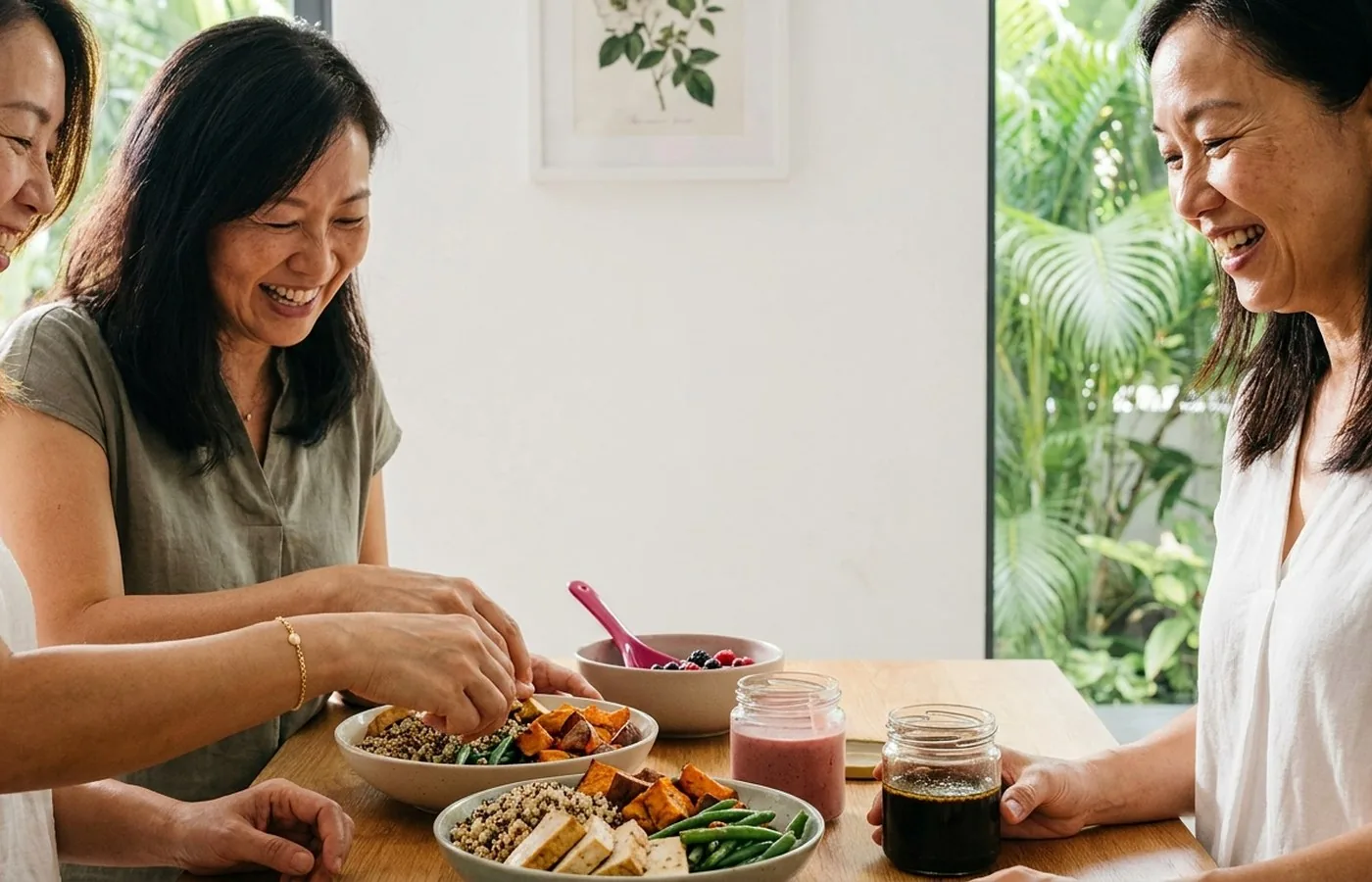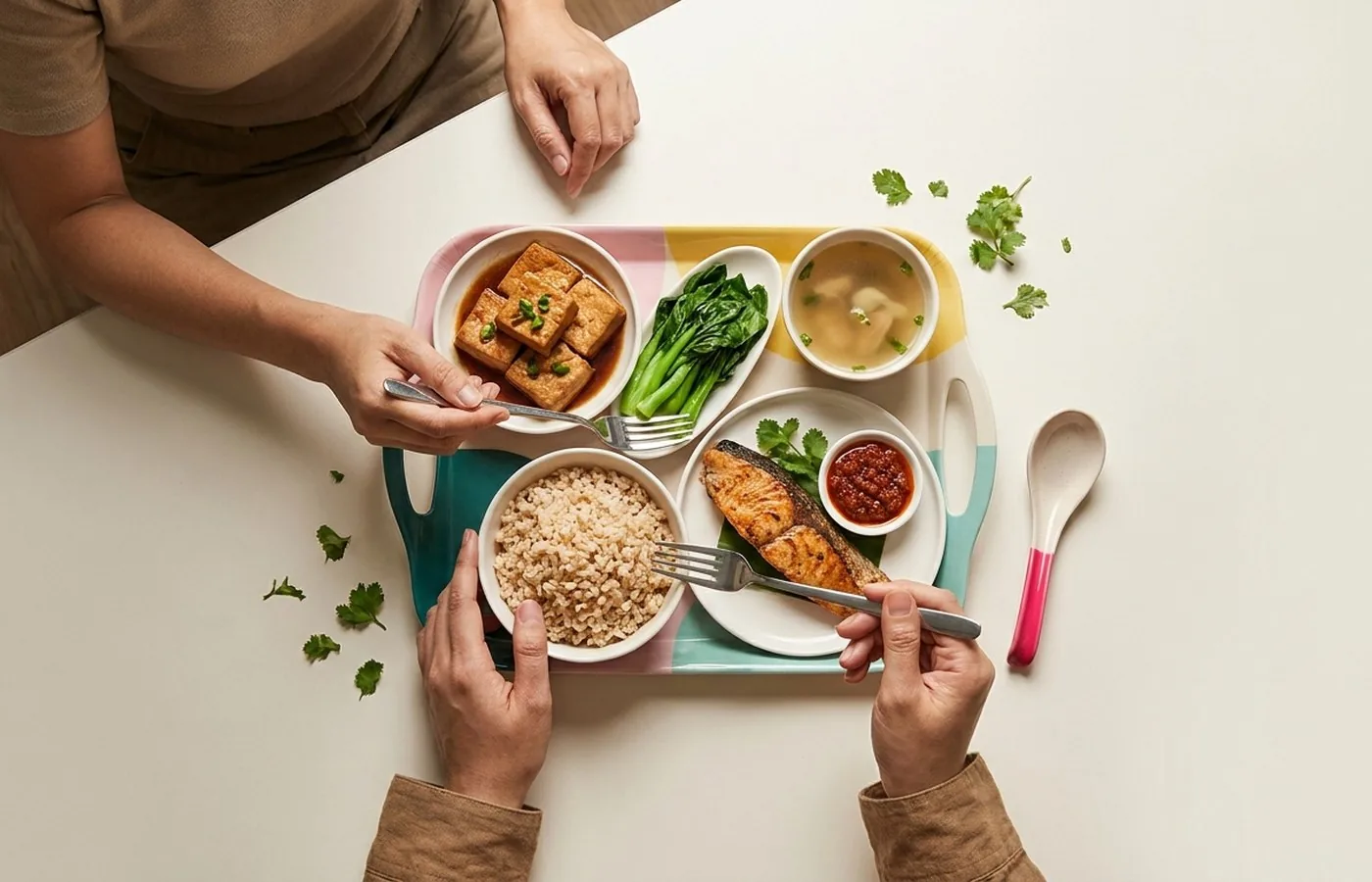
Grain bowls have a great reputation, and a lot of that reputation is earned. A well-built bowl can genuinely cover protein, fibre, and healthy fat in one dish. The catch is that a lot of grain bowls, especially ones ordered rather than built at home, lean heavily on the grain and toppings while going surprisingly light on protein, which leaves them less filling than they look.
Key points
- A grain bowl needs a clear protein source to hold you until the next meal.
- The grain itself is only one part of the bowl, not the main event.
- Sauce and dressing quantity can quietly turn a light bowl into a heavy one.
- Building your own bowl gives you far more control than ordering one pre-made.
Why some grain bowls are more filling than others
The appeal of a grain bowl is real: one dish, a mix of textures, and usually a decent amount of colour on the plate. But "grain bowl" as a category covers everything from a genuinely balanced meal to a large serving of rice or quinoa with a token scattering of vegetables and barely any protein at all. Two bowls can look almost identical and leave you full for very different amounts of time.
The difference almost always comes down to protein. A bowl heavy on grain and light on protein digests fast and leaves you hunting for a snack within a couple of hours. If you want a reliable structure to build any bowl against, the Balanced Meal Builder gives you a simple plate template that works just as well for a bowl as it does for a regular plate.
It helps to think of a bowl as just a plate rearranged into layers rather than a completely different category of meal. The same rules that make a regular dinner plate satisfying, enough protein, enough vegetables, a sensible carb portion, apply just as much once everything gets tossed together in a bowl and given a trendier name.
The building blocks of a grain bowl that works
- Grain base: brown rice, quinoa, farro, or bulgur, kept to a moderate portion rather than filling the whole bowl.
- Protein: grilled chicken, salmon, tofu, tempeh, chickpeas, or a couple of eggs, ideally taking up as much room in the bowl as the grain.
- Vegetables: at least two kinds, raw or cooked, for fibre, colour, and volume.
- Healthy fat: avocado, a drizzle of olive oil, nuts, or seeds, for staying power and flavour.
- Sauce, in moderation: a flavourful dressing or sauce, added by the spoonful rather than poured on until the bowl is swimming.
Get those five parts roughly in balance, and a grain bowl becomes a genuinely complete meal rather than a trendy way to eat mostly carbs. Skip the protein or drown the bowl in sauce, and it starts behaving more like a large, pretty side dish.
Use this as a starting point, then adjust for your body, conditions and professional advice. A plan is useful only when it responds to you.
Where store-bought and delivery grain bowls tend to go wrong
Pre-made grain bowls from cafes and delivery apps often look impressive in photos but skimp on protein to keep costs down, or lean heavily on a thick, calorie-dense sauce to make up for a fairly plain base underneath. It's worth checking the actual protein amount listed, if it's available, rather than assuming a bowl is automatically balanced just because it's marketed as a "clean" or "healthy" option.
If you order grain bowls often, treating them the same way you'd treat any takeaway meal, checking for a clear protein and asking for sauce on the side, tends to help. Our hawker-centre guide covers a similar approach for local dishes, and the same logic applies just as well to a grain bowl from a cafe.
How to build a grain bowl guide you'll stick to
The best grain bowl isn't the most photogenic one. It's the one with enough protein, enough vegetables, and a sauce portion that supports the meal instead of drowning it. Build that at home a couple of times a week, and you'll start noticing which store-bought versions are worth ordering and which ones are mostly grain with a nice photo.
If busy weeknights make cooking a full bowl from scratch feel unrealistic, our meal-prep guide can help you prep components ahead so assembling a balanced grain bowl takes minutes, not an hour. For more everyday meal-building guidance like this, the food hub is where we keep adding to this kind of practical coverage.
More on this topic from the archive: How to Build Your Own Salmon Poke Bowl at Home.
This article provides general education and is not a diagnosis or a substitute for personalised medical care. Stop exercise and seek appropriate help for severe, sudden or concerning symptoms.
How to Build a Grain Bowl That Keeps You Full: questions answered
What makes a grain bowl filling?
+
A clear protein source that takes up roughly as much space in the bowl as the grain itself.
Are store-bought grain bowls usually balanced?
+
Not always. Many are light on protein or heavy on sauce, so it's worth checking what's in the bowl.
How much sauce should go on a grain bowl?
+
A spoonful or two is usually enough. Pouring sauce until the bowl is swimming can add a lot of extra calories fast.