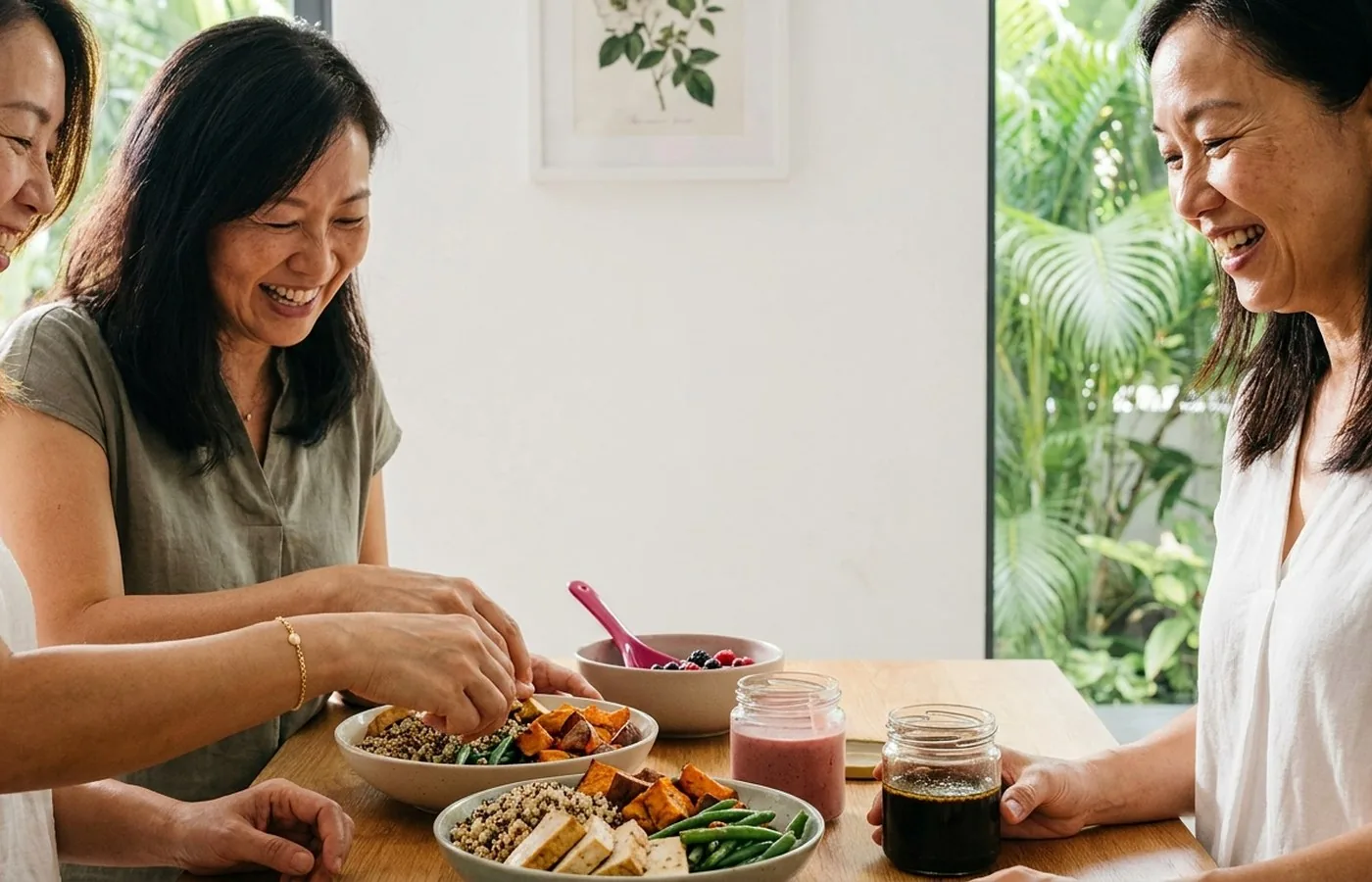
A good dip should not need a permission slip. The problem was never dips and sauces themselves. It was the ones loaded with sugar, oil, and salt that make it easy to eat far more than you meant to. These nine options bring flavour to the table without much guilt attached.
Key points
- Dips can be part of a balanced diet when portions and ingredients are sensible.
- Yoghurt, bean, and vegetable-based dips usually offer more nutrition than cream-heavy ones.
- Reading a label once can save you from a surprisingly sugary or salty jar.
- The best dip is the one that gets you eating more vegetables, not fewer.
Why dips got a bad reputation
Dips and sauces earned their bad name from the versions built almost entirely on oil, cream, sugar, or both. A few tablespoons of a rich dressing can carry more calories than the vegetables sitting next to it, which is a strange way to make a healthy plate feel indulgent for the wrong reason.
The fix is not to give up sauces. It is to pick ones built on more useful bases, like yoghurt, beans, tomatoes, or vegetables, and to use a sensible portion instead of an endless pour. If your plates already feel unbalanced, the Balanced Meal Builder can help you see where a sauce is adding real value and where it is just adding calories.
Flavour matters for consistency too. A bland plate of vegetables gets ignored fast. A good dip is often the thing that makes people finish their vegetables instead of pushing them around the plate.
9 dips and sauces worth having in the fridge
- Hummus, made from chickpeas, tahini, and lemon
- Plain Greek yoghurt with garlic and herbs
- Guacamole with lime and chilli
- Salsa made from tomato, onion, and coriander
- Baba ganoush from roasted eggplant
- Tzatziki with cucumber and yoghurt
- Peanut sauce, used in a sensible portion
- Roasted red pepper and white bean dip
- Light soy and vinegar dipping sauce for vegetables or dumplings
Most of these lean on protein, fibre, or vegetables rather than pure fat and sugar. That does not mean unlimited amounts are fine. Peanut sauce and hummus are still calorie-dense, so a couple of tablespoons goes further than most people assume. The goal is flavour with a sensible hand, not a bottomless bowl.
It is worth making a few of these yourself when you have ten spare minutes, since store-bought versions can quietly carry more added sugar, oil, or preservatives than a homemade batch. A basic tzatziki or salsa needs almost no cooking skill at all, just a knife, a bowl, and a fridge to let the flavours settle for an hour before serving.
If weeknight cooking already feels like a stretch, keeping one of these dips ready means you always have a fast way to dress up plain rice, grilled meat, or steamed vegetables without reaching for a heavier bottled sauce. Our meal-prep guide covers other small setup habits like this one that make ordinary weeknights easier to cook through.
Use this as a starting point, then adjust for your body, conditions and professional advice. A plan is useful only when it responds to you.
How to use dips without letting them take over the meal
Portion the dip onto the plate instead of dipping straight from a shared container, which makes it much easier to notice how much you are eating. A tablespoon or two is usually enough to carry flavour across a serving of vegetables or protein.
Pay attention to what the dip is meant to support. If it is helping you eat more vegetables or a leaner protein, that is a fair trade. If the dip has quietly become the main event while the vegetables sit untouched, it is worth rebalancing the plate. Our hawker-centre guide covers similar thinking for sauces and gravies when you are eating out.
If weeknights are rushed, keeping one or two of these dips ready in the fridge means dinner does not have to depend on plain, unseasoned food to feel healthy. A homemade yoghurt dip or a jar of salsa can turn a basic tray of roasted vegetables into something you look forward to.
How these healthy dips and sauces earn a place on your plate
Dips and sauces are not the enemy of a healthy diet. Overly rich versions eaten without any attention are the real issue. Once you swap in a yoghurt, bean, or vegetable-based option and keep the portion reasonable, dips can do exactly what they are meant to do: make good food taste better.
If you want more practical guides like this, the food hub keeps this part of the old SHAPE archive alive while we rebuild it with steadier, more useful advice. Enjoy the dip. Just let it support the plate instead of quietly becoming the whole meal.
How much dip is a sensible serving?
Around one to two tablespoons is usually enough to add flavour without turning the dip into a second meal.
More on this topic from the archive: Healthy Eating Tips for Christmas That Do Not Ruin the Fun, Hawker Dishes That Won't Leave You Feeling Guilty Afterwards and Singapore Snacks You Can Enjoy for Under 200 Calories.
This article provides general education and is not a diagnosis or a substitute for personalised medical care. Stop exercise and seek appropriate help for severe, sudden or concerning symptoms.
9 Healthy Dips and Sauces You Are Allowed to Enjoy: questions answered
Is hummus healthy?
+
Yes, in a reasonable portion. It offers protein and fibre from chickpeas, though it is still calorie-dense in large amounts.
What is the healthiest base for a homemade dip?
+
Plain yoghurt, beans, or roasted vegetables usually give you more nutrition per spoonful than cream or heavy oil.