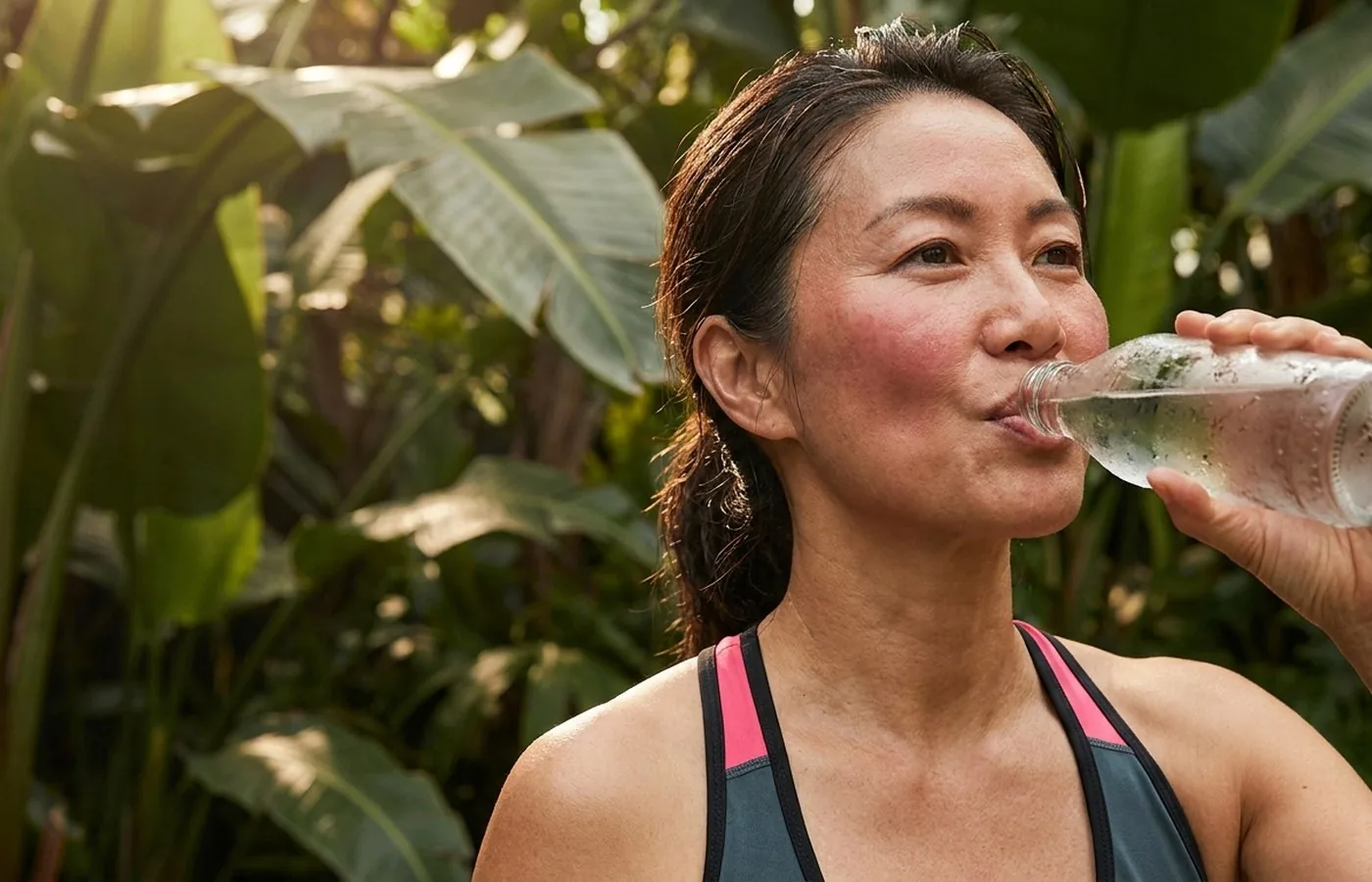
Thirst is not only a water problem. It is also a food problem. When your meals are dry, salty, and low in water, your body has to lean harder on plain drinking to keep up, especially in humid weather. A few high-water fruits and vegetables can take some of that pressure off.
Key points
- Many fruits and vegetables are made mostly of water, which helps with daily fluid needs.
- Food hydration works alongside drinking water, not instead of it.
- Cold, high-water snacks feel more refreshing in the heat than dry ones.
- Salt and heavy meals can quietly work against your hydration, even on a hot day.
Why food can help you feel less thirsty
Most people think of hydration as a bottle-counting exercise. In reality, a decent chunk of your daily fluid can come from food, especially foods that are naturally watery. Watermelon, cucumber, and lettuce are well over ninety percent water by weight. Eating them does not replace drinking, but it does add up across a day, and it comes with fibre and nutrients that plain water cannot give you.
This matters more in a place like Singapore, where sweat losses can be high even on an ordinary walk to lunch. If you already track your intake, the Hydration Planner can give you a rough daily target so food and drinks are working toward the same number instead of guessing separately.
Food hydration also feels different from drinking. A cold slice of fruit can feel more satisfying on a sticky afternoon than another glass of plain water, which is part of why these foods are worth keeping around.
The 9 fruits and vegetables worth keeping around
| Food | Why it helps |
|---|---|
| Watermelon | Around 92 percent water, sweet enough to feel like a treat |
| Cucumber | Crisp, mild, and easy to add to almost any meal |
| Celery | High water content plus a satisfying crunch |
| Iceberg or romaine lettuce | A watery base for wraps and salads |
| Zucchini | Cooks down fast and holds a lot of moisture |
| Oranges | Juicy, portable, and rich in vitamin C |
| Strawberries | Sweet, high in water, and low in calories per serving |
| Tomatoes | Great in cooked dishes or eaten raw with a pinch of salt |
| Bell peppers | Crunchy, colourful, and easy to snack on raw |
None of these need to be eaten alone or turned into a strict routine. Add cucumber to your rice bowl, toss tomatoes into an omelette, or keep a container of watermelon in the fridge for the hottest part of the afternoon. Small additions like these are far easier to keep up than a big new eating plan.
Most of this list is also cheap and easy to find at a wet market or supermarket here, which matters more than any exotic superfood claim. You do not need imported produce to hit good hydration numbers from food. A humble cucumber from the neighbourhood market does the same job as anything flown in from further away, usually for a fraction of the price and with far less fuss involved in finding it.
Use this as a starting point, then adjust for your body, conditions and professional advice. A plan is useful only when it responds to you.
How to use these foods through a hot day
Pair a few of these with regular meals instead of treating them as a separate project. Cucumber and tomato work well next to a protein source at lunch. Watermelon or strawberries make an easy afternoon snack when a sugary drink might otherwise sound tempting. Zucchini and bell peppers can go into a stir-fry so dinner still feels like a normal meal, not a health lecture.
If you train outdoors, this matters even more. Our guide to running in Singapore's heat covers how sweat losses climb fast here, and high-water snacks before or after a session can support the fluid you are already trying to replace with drinks.
Watch the salt side too. A very salty meal can undo some of the benefit of a watery snack, since sodium changes how your body holds onto fluid. Our hot-weather hydration guide goes into this balance in more detail if you want to understand it further.
How these fruits and vegetables help you feel less thirsty
The real win here is not one miracle food. It is a fridge that already has a few high-water options ready to go, so reaching for something refreshing is easy instead of a special errand. Cucumber, watermelon, and tomatoes are cheap, common, and simple to work into meals you already eat.
If you want more practical food guides like this one, the food hub is where we are rebuilding this part of the old SHAPE archive with more useful, everyday advice. Feeling less thirsty on a hot day rarely comes down to one clever trick. It comes from food and water working together instead of water carrying the whole job alone.
More on this topic from the archive: How to Eat Four Servings of Fruits and Vegetables Every Day, Getting Seasonal Fruits and Vegetables Delivered to Your Door and 5 Fruits That Could Be Behind Your Weight Gain.
This article provides general education and is not a diagnosis or a substitute for personalised medical care. Stop exercise and seek appropriate help for severe, sudden or concerning symptoms.
9 Fruits and Vegetables That Help You Feel Less Thirsty: questions answered
Can fruit and vegetables replace drinking water?
+
No. They can add to your daily fluid intake, but plain water and other drinks should still do most of the work.
Which fruit has the highest water content?
+
Watermelon is one of the highest, at roughly 92 percent water by weight.
Does salty food really affect hydration?
+
Yes. Heavy salt intake can change how your body holds onto fluid, so pairing salty meals with water and watery produce helps.