A lacrosse ball is not built for recovery. It is built for a completely different sport. Somewhere along the way, though, physiotherapists and gym-goers realised its size and firmness make it excellent for digging into tight spots that a foam roller cannot reach. It has become a quiet staple in a lot of recovery kits, and it costs a fraction of most dedicated massage tools.
Key points
- A lacrosse ball is small and firm enough to target tight, specific spots a foam roller cannot reach.
- It works well on areas like the glutes, upper back, and feet.
- Using it correctly matters more than owning an expensive version.
- It is a useful support tool, not a replacement for proper training and recovery habits.
Why a lacrosse ball works so well for recovery
Foam rollers are great for large muscle groups like the quads and back, but their size makes them clumsy for smaller, more specific tight spots, like a knot deep in the glute or a tender spot along the shoulder blade. A lacrosse ball's small size and firmness let you apply focused pressure exactly where it is needed, something a bigger tool simply cannot do as precisely.
It is also genuinely inexpensive compared to most dedicated self-massage tools, which is part of why it has become such a common recommendation among physiotherapists and trainers. A tool this cheap doing a job this useful is rare in the fitness world, where gadgets often cost far more than their actual benefit justifies.
Part of the appeal is also portability. A lacrosse ball fits easily into a gym bag, a desk drawer, or even a coat pocket, which means it travels far better than a foam roller ever could. That makes it a realistic option for people who want a recovery tool at the office or while travelling, not just at home.
Where a lacrosse ball is most useful
| Area | How to use it |
|---|---|
| Glutes | Sit on the ball against a wall or floor and shift weight slowly onto tight spots |
| Upper back and shoulders | Place against a wall and lean into tight spots near the shoulder blade |
| Feet | Roll under the arch while seated or standing for tight plantar fascia |
| Forearms | Press the ball against a table and roll the forearm over it after heavy lifting or typing |
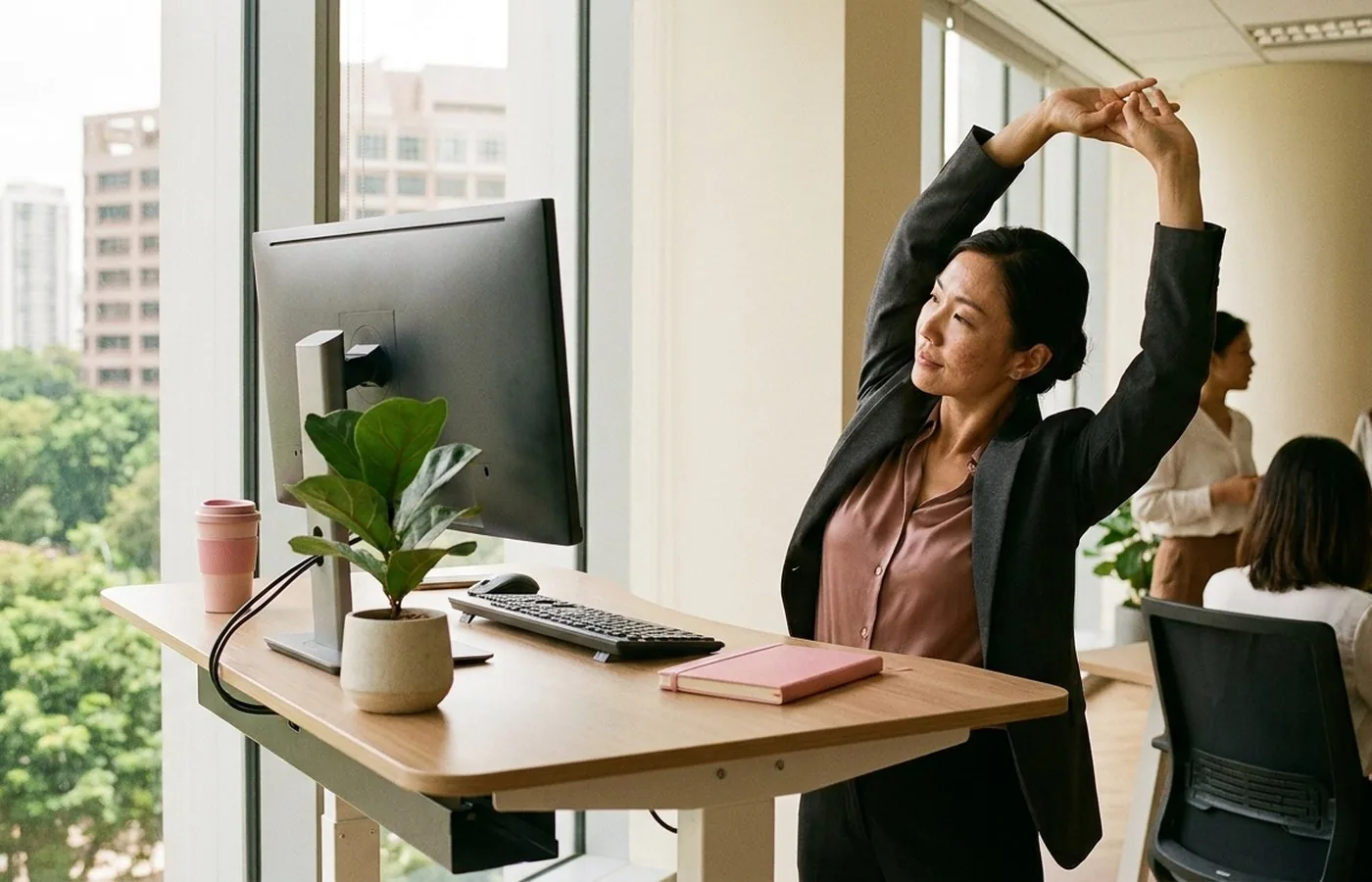
Go slowly rather than rushing across a muscle. Pausing on a tender spot for 20 to 30 seconds tends to work better than quickly rolling back and forth. If desk work has left your upper back and neck stiff, this pairs well with our desk posture and mobility guide for a more complete approach to loosening up.
Some people also keep a second, softer ball on hand for more sensitive areas like the feet after a long day standing, since a firmer ball can feel like too much pressure on tired, tender tissue at the end of a workday.
Use this as a starting point, then adjust for your body, conditions and professional advice. A plan is useful only when it responds to you.
How to use a lacrosse ball without overdoing it
More pressure is not always better here. Pressing too hard onto a tender spot, especially near a joint or bone, can leave you more sore than before rather than looser. A good approach is starting with lighter pressure and only increasing it gradually as the muscle relaxes into the pressure.
It is also worth avoiding direct pressure on nerves, particularly in areas like the side of the neck or behind the knee, where a wrong spot can cause tingling or discomfort rather than relief. If a spot feels sharp or electric rather than a dull, releasing ache, ease off and try a slightly different angle.
This tool works best alongside genuine recovery habits rather than instead of them. Our sleep and recovery guide covers the bigger factors that drive how well your muscles bounce back between sessions.
If you are dealing with a persistent, sharp pain rather than ordinary muscle tightness, that is a signal to see a professional rather than keep pressing a ball into the area hoping it resolves on its own. Self-massage tools are meant to support recovery, not diagnose or treat an actual injury.
Is a lacrosse ball worth adding to your recovery kit
For the price, yes. It is one of the few pieces of recovery equipment that genuinely earns its spot in a gym bag without requiring much of an investment. It will not replace a proper warm-up, good sleep, or a sensible training plan, but as a targeted tool for stubborn tight spots, it does its job well.
If you are building out a broader training and recovery routine, the Workout Builder can help you structure sessions that this kind of self-massage complements rather than compensates for. For more practical gear guides and training tips, the fitness hub has plenty more worth reading.
More on this topic from the archive: What a Gym Ball Does for Your Workout, 5 Cheap Fitness Buys Worth Picking Up at a Store Like Daiso and Where to Find Yoga Classes Under $20 in Singapore.
This article provides general education and is not a diagnosis or a substitute for personalised medical care. Stop exercise and seek appropriate help for severe, sudden or concerning symptoms.
Lacrosse Balls for Muscle Recovery: A Simple, Cheap Tool Worth Knowing About: questions answered
Is a lacrosse ball better than a foam roller?
+
They serve different purposes. A foam roller suits large muscle groups, while a lacrosse ball targets small, specific tight spots.
How long should I use a lacrosse ball on one spot?
+
Around 20 to 30 seconds of steady pressure on a tender spot usually works better than quick back-and-forth rolling.
Can a lacrosse ball cause injury if used wrongly?
+
Excess pressure near joints or nerves can cause discomfort, so start light and avoid pressing directly on sharp or electric feeling spots.