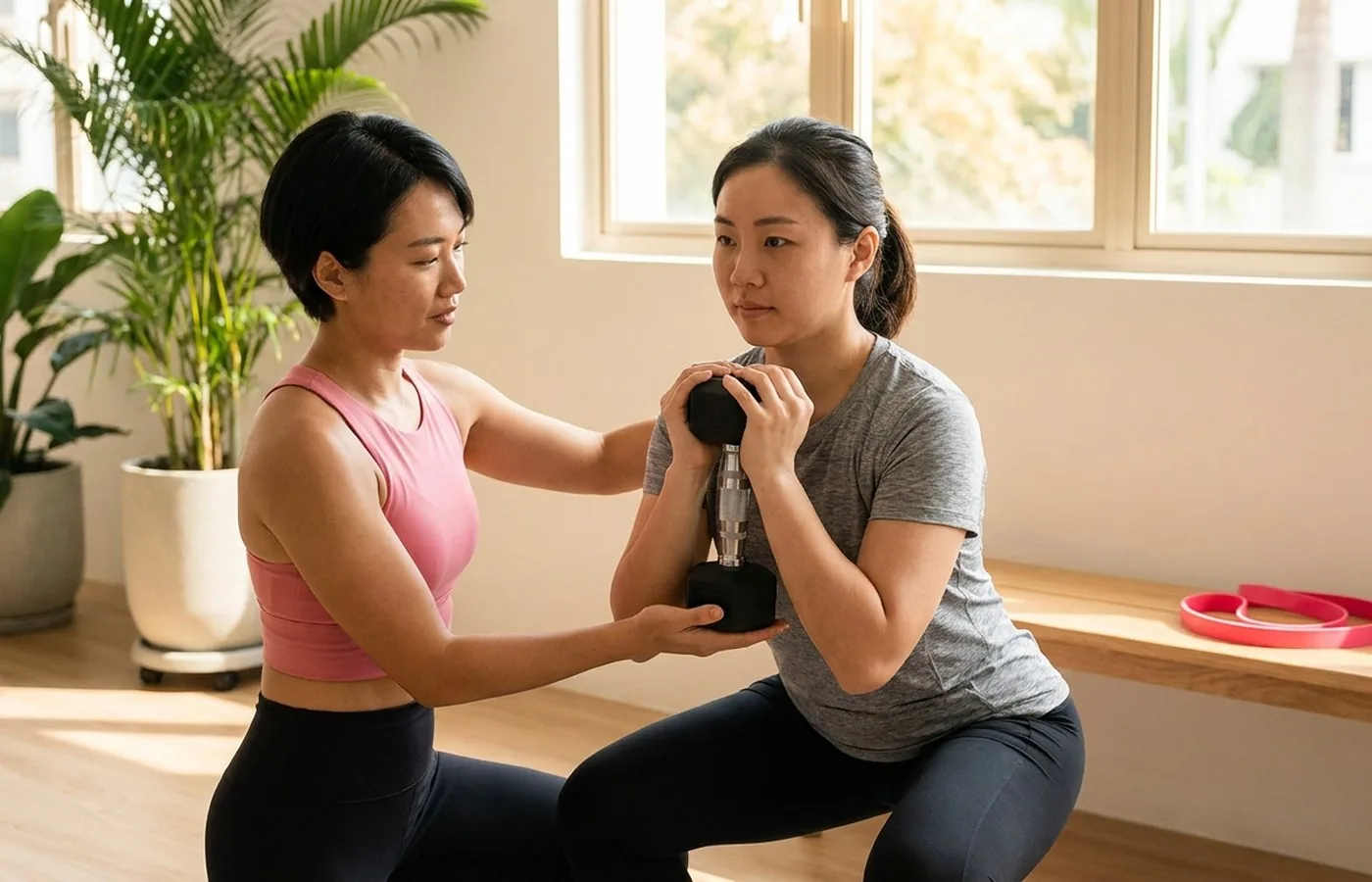
Traditional Chinese Medicine, or TCM, has a long history in Singapore and is used by a lot of active people alongside conventional treatment when recovering from sports injuries. This is not a case of one replacing the other. Most people who use TCM for sports injuries treat it as a complement to standard medical care, not a substitute.
Key points
- TCM approaches like acupuncture and tui na are commonly used alongside conventional sports injury treatment in Singapore.
- These treatments are generally used for pain relief and recovery support, not as a replacement for a proper diagnosis.
- A sharp, severe, or worsening injury still needs conventional medical assessment first.
- Combining approaches works best when both practitioners know what the other is doing.
What TCM treatment for sports injuries typically involves
In Singapore, TCM practitioners commonly treat sports injuries using a combination of methods, including acupuncture, tui na massage, cupping, and herbal preparations. Acupuncture involves inserting thin needles at specific points on the body, often used for pain relief and to encourage blood flow to an injured area. Tui na is a hands-on massage technique aimed at loosening tight muscles and improving movement around a joint or strained area.
Cupping, which leaves temporary circular marks on the skin, is another method some practitioners use, generally aimed at easing muscle tension and improving local circulation. Herbal preparations, whether taken orally or applied as a liniment, are also commonly used, particularly for bruising, swelling, or general muscle soreness following an injury.
These methods are widely available across Singapore, from dedicated TCM clinics to general practices that offer it as one of several services.
Why people combine TCM with conventional sports medicine
Most people who turn to TCM for a sports injury are not choosing it instead of a doctor or physiotherapist. They are usually adding it on top of standard care, often because it offers pain relief between physiotherapy sessions, or because they simply find the hands-on treatment helpful for muscle tightness that persists after their main injury has been assessed and treated.
This combined approach is common enough in Singapore that some clinics and gyms are used to patients mentioning both types of care in the same conversation. If you are recovering from an injury and building your training back up carefully, our sleep and recovery guide covers the broader recovery habits, like rest and sleep, that support healing regardless of which treatments you are using alongside it.
Use this as a starting point, then adjust for your body, conditions and professional advice. A plan is useful only when it responds to you.
What to keep in mind before combining treatment approaches
A few practical points are worth keeping in mind if you are considering this combined approach:
- A sharp, sudden, or severe injury, especially one involving a loud pop, significant swelling, or inability to bear weight, should be assessed by a doctor first, before any other treatment.
- Tell each practitioner about the other treatments you are receiving. A physiotherapist and a TCM practitioner working from the same information can plan around each other rather than working blind.
- Treatments like cupping and deep tui na can leave temporary marks or soreness, which is worth knowing about in advance, especially if you have an event or photos coming up.
- Herbal preparations, especially oral ones, should be discussed with a doctor if you are taking other medication, since interactions are possible.
None of this means TCM and conventional care cannot work well together. It simply means the combination works best when it is coordinated rather than kept separate and unspoken.
Making the most of TCM as part of a sports injury recovery
Used thoughtfully, TCM treatments can be a genuinely useful part of recovering from a sports injury in Singapore, particularly for ongoing pain relief, muscle tightness, and general comfort during a longer rehab process. The key is treating it as one part of a bigger recovery plan rather than the whole plan, especially for anything beyond mild strains and general soreness.
Once you are cleared to return to activity, easing back in gradually matters just as much as the treatment itself. The Workout Builder can help you rebuild a training plan at a manageable pace rather than jumping straight back to your pre-injury intensity. For more restored fitness and recovery content, the fitness hub is where the SHAPE archive continues to be rebuilt.
Sports injuries are frustrating no matter how you treat them. Whether you lean on TCM, conventional physiotherapy, or both together, the goal is the same: get back to moving well without rushing the process and risking a setback.
More on this topic from the archive: Being Told You'll Never Run Again: The Comeback Story Behind Every Triathlete, Balancing a Beauty Business With Serious Muay Thai Training and Lacrosse Balls for Muscle Recovery: A Simple, Cheap Tool Worth Knowing About.
This article provides general education and is not a diagnosis or a substitute for personalised medical care. Stop exercise and seek appropriate help for severe, sudden or concerning symptoms.
How Traditional Chinese Medicine Is Used Alongside Sports Injury Recovery in Singapore: questions answered
Can TCM replace seeing a doctor for a sports injury?
+
For anything beyond mild soreness, a proper medical assessment should come first, with TCM used alongside rather than instead of it.
Is cupping painful?
+
Most people describe it as a pulling or tight sensation rather than sharp pain, though it can leave temporary marks on the skin.
How do I find a reputable TCM practitioner in Singapore for sports injuries?
+
Look for registered practitioners and consider asking your physiotherapist or doctor for a recommendation if you want coordinated care.