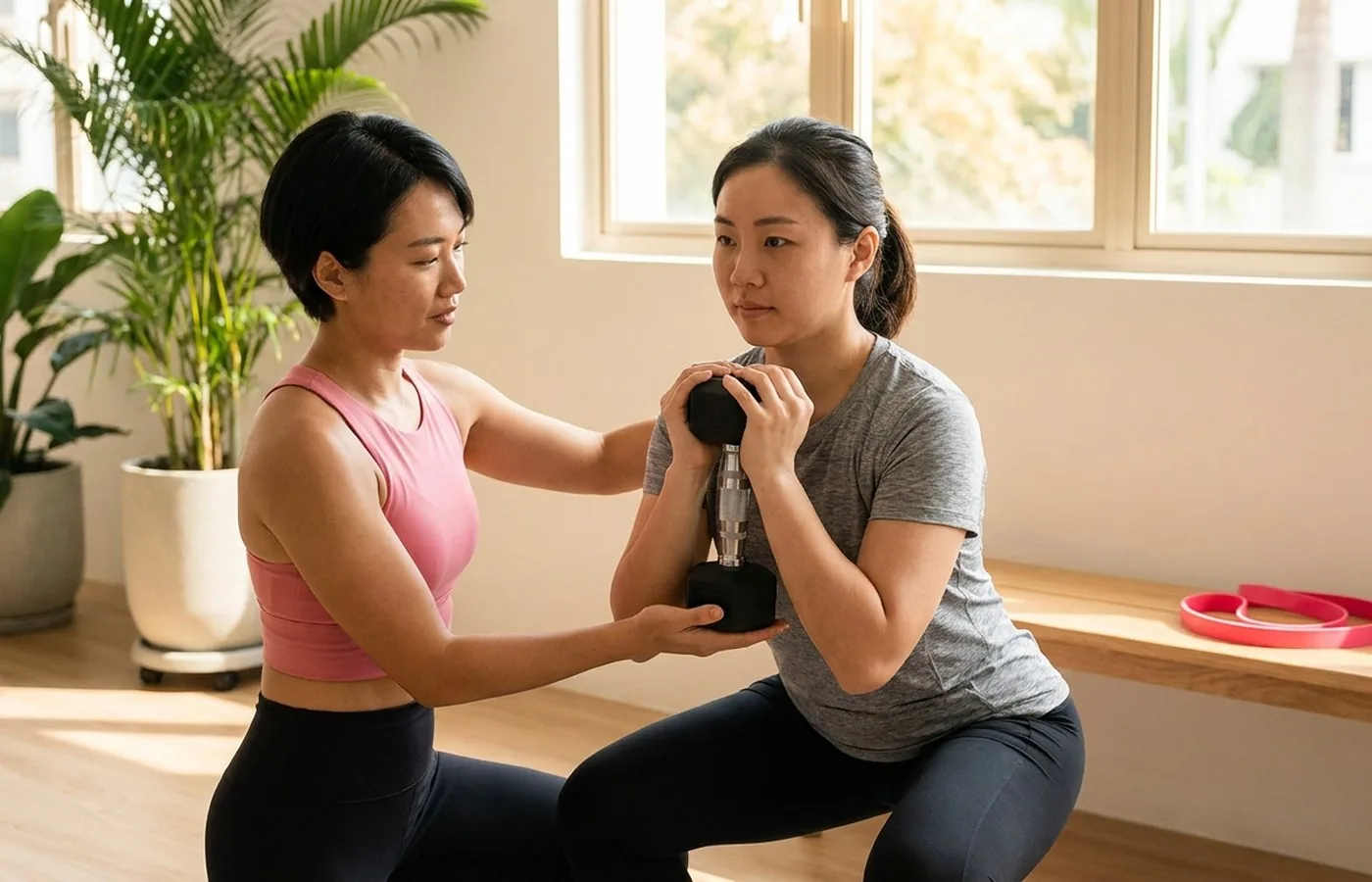
Walk into any gym and you will see people using machines with the seat in the wrong position, the range of motion cut short, or momentum doing most of the work instead of muscle. None of that is a character flaw. Most gyms hand you a machine and assume you will figure it out, when a two-minute setup check would fix most of the problem.
Key points
- Seat and pad adjustments matter more than most people realise for both safety and results.
- Momentum quietly replaces muscle effort on a lot of machines if you move too fast.
- Asking gym staff for a quick equipment run-through is normal, not embarrassing.
- Good form on simple machines beats sloppy form on advanced ones.
Why gym equipment mistakes are so common
Most gyms are set up on the assumption that you already know how each machine works. Signage is often minimal, staff are busy, and nobody wants to look like the person who does not know how to adjust a seat. So people copy whoever is nearby, or guess, and small setup mistakes become habits that stick around for years.
This matters because equipment mistakes rarely cause dramatic injuries right away. More often, they just quietly reduce how much you are getting out of a set, or slowly load a joint in a way it was not built for. If you are new to gyms generally, our first gym visit guide is worth reading before this one.
Busy peak-hour gym floors make this worse. When every machine has someone waiting, it is tempting to rush your setup just to keep the flow moving. That pressure is understandable, but a rushed thirty-second adjustment is still faster than repeating months of a habit that is quietly working against your joints instead of your muscles.
Common machines, correct setup, and the mistake to avoid
| Equipment | Correct setup | Common mistake |
|---|---|---|
| Treadmill | Start slow, use the safety clip, look ahead not down | Holding the handrails constantly, which shortens stride and hides real effort |
| Leg press | Feet shoulder-width, knees tracking over toes, controlled range | Locking knees hard at the top or letting knees cave inward |
| Lat pulldown | Seat and thigh pad adjusted so knees do not lift off | Leaning back too far and using body weight instead of back muscles |
| Cable machine | Pulley height matched to the exercise, controlled tempo | Using momentum to swing the weight instead of controlled pulling |
| Smith machine | Bar path matched to your natural movement, safety catches set | Forcing a fixed bar path that does not match your joints, causing strain |
None of these mistakes are unusual. Most gym-goers have made every one of them at some point, often without noticing for months.
Free weights carry their own version of this problem too. A barbell squat with the bar sitting too high on the neck, or a dumbbell row done with a rounded back, causes the same quiet strain as a badly set machine. The lesson is the same either way: check your setup before you check your ego about how much weight is loaded.
Use this as a starting point, then adjust for your body, conditions and professional advice. A plan is useful only when it responds to you.
Simple habits that fix most equipment mistakes
Before your working sets, do one light warm-up set on any new machine just to check the setup, not to build fatigue. Adjust the seat, pads, and range of motion until the movement feels aligned with your joints, not just copied from the person before you.
Slow down the lowering part of each rep. A lot of machine mistakes disappear once you stop letting gravity and momentum do the work. If you want a structured plan that spells out sets, reps, and rest instead of guessing machine by machine, the Workout Builder can put a session together for you. And if the basics of lifting itself still feel shaky, our beginner strength guide covers the fundamentals that carry over to almost every machine in the gym.
Take a phone photo or a short video of your own form occasionally, especially on machines you use often. It sounds a little strange, but most people are surprised by the difference between how a rep feels and how it looks from the side.
How using gym equipment correctly changes your results
Correct setup and controlled tempo usually matter more for results than which machine you picked in the first place. A properly adjusted leg press done with control will do more for your legs than a rushed set on a fancier machine with the seat in the wrong spot.
It is also fine to ask gym staff for a quick walkthrough of a machine you are unsure about. Most staff would rather show you once than watch you strain something over months of quiet mistakes. If you want more guides like this one, the fitness hub covers other training basics worth getting right early.
This article provides general education and is not a diagnosis or a substitute for personalised medical care. Stop exercise and seek appropriate help for severe, sudden or concerning symptoms.
How to Use Common Gym Equipment the Right Way: questions answered
Is it okay to ask gym staff how to use a machine?
+
Yes. Most staff expect these questions and would rather help than watch you use something incorrectly for months.
Why does seat height matter so much on machines?
+
The wrong height changes the angle at your joints, which can reduce effectiveness and add unnecessary strain.
Should I always move slowly on gym machines?
+
Controlled tempo on both the lifting and lowering parts usually works better than fast, momentum-driven reps.