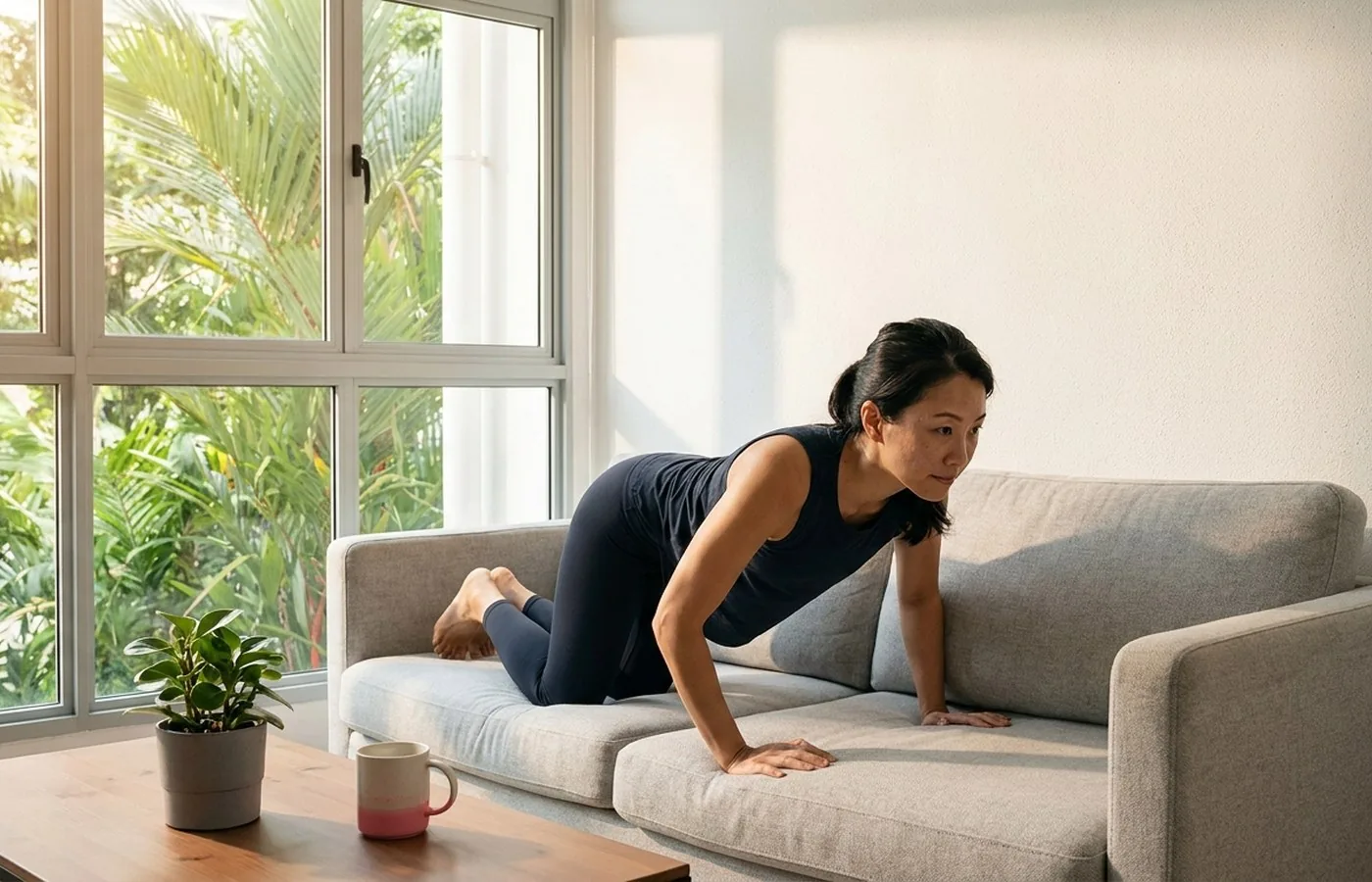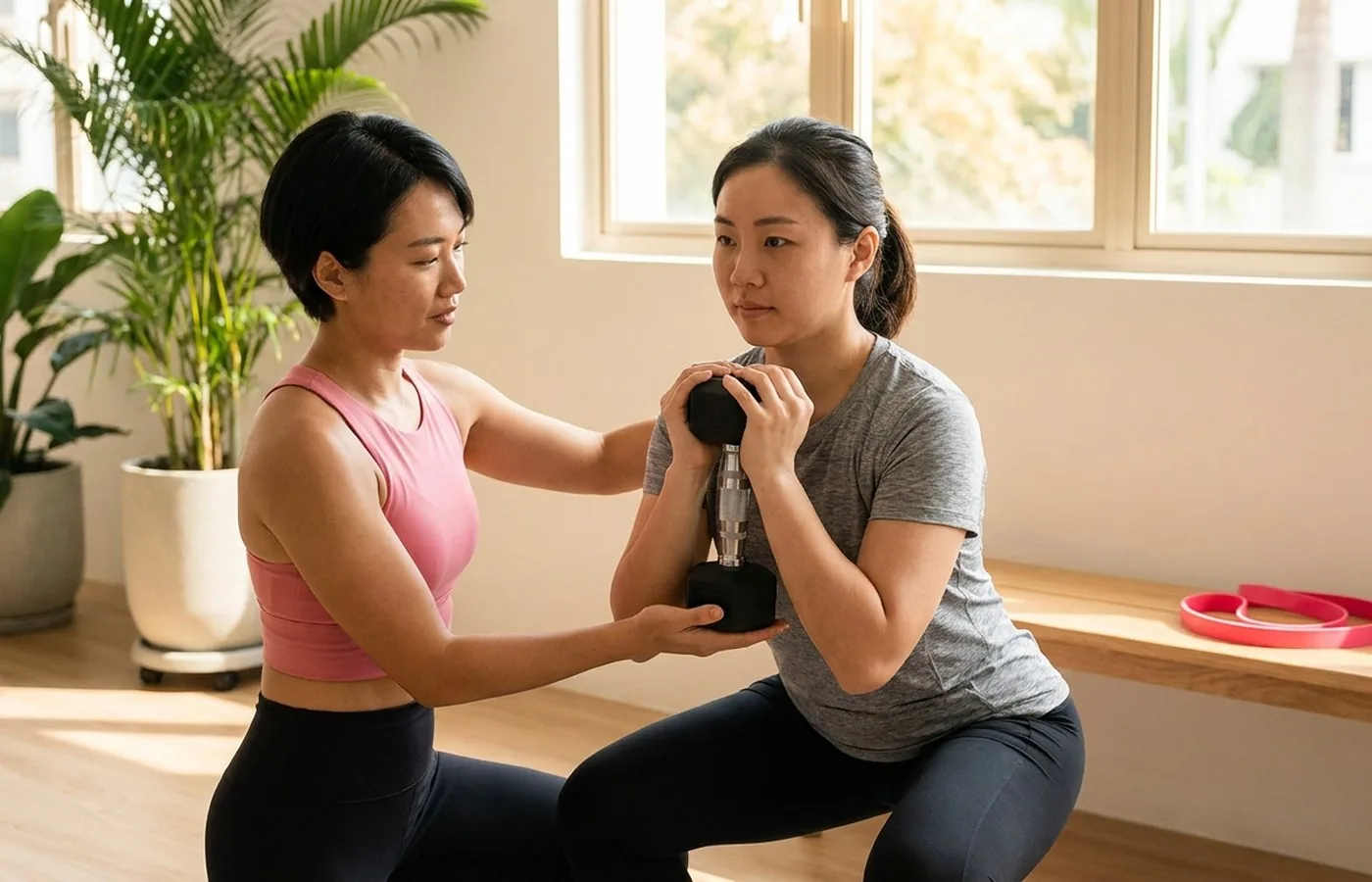
Squats are a solid exercise, but they are not the only way to build stronger, more shapely glutes, and for some people they are not even the best way. The glutes respond well to hip-hinge movements, single-leg work, and direct isolation moves that put far less of the workload on your quads than a squat naturally does.
Key points
- Squats work the glutes, but they share the load heavily with your quads.
- Hip hinges and single-leg moves can target the glutes more directly.
- Variety in glute training helps avoid plateaus and reduces repetitive strain.
- Progressive resistance still matters here, whether that means bands, weights, or added reps.
Why squats are not the only glute answer
A squat is a knee-dominant movement first and a hip movement second, which means your quads often do more of the visible work than your glutes, especially if your squat depth or form favours the front of your legs. That is not a criticism of squats. It is just a reason to add moves that shift more of the tension onto the glutes specifically, particularly if you have been squatting for a while without seeing the glute changes you expected.
Hip-hinge and single-leg movements tend to close that gap. If you are still building a base of general strength, our beginner strength guide is worth reading alongside this one, since good hip-hinge form takes some practice to get right.
None of this means squats are wasted effort. They still build useful lower-body strength and belong in most training plans. The point is simply that if your specific goal is glute development, leaning on hip-hinge and single-leg work as well tends to get you there faster than squats alone ever will, especially if your squat form already favours the quads more than the hips.
Glute exercises worth adding to your routine
- Hip thrusts: Often considered the most direct glute builder available, loading the hips through a full range of motion.
- Romanian deadlifts: A hip-hinge move that loads the glutes and hamstrings together through a controlled stretch.
- Glute bridges: A simpler, more accessible cousin of the hip thrust, useful for beginners or home workouts.
- Bulgarian split squats: A single-leg move that shifts more emphasis onto the working glute compared to a two-leg squat.
- Cable or band kickbacks: An isolation move that directly targets the glute without much help from other muscles.
- Step-ups: A functional single-leg move that mimics real movement patterns like climbing stairs.
- Lateral band walks: Targets the side glutes, which most lower-body routines quietly neglect.
You do not need all seven in one session. Rotating three or four across your week, alongside proper protein intake to support muscle repair, tends to work better than cramming everything into one long workout. Our guide to protein needs for active women is a useful companion here if you are building muscle on purpose.
Use this as a starting point, then adjust for your body, conditions and professional advice. A plan is useful only when it responds to you.
The mistakes that quietly stall glute growth
Using too light a weight for too many reps without ever adding real resistance is a common one. The glutes, like any muscle, need progressive overload over time, whether that comes from heavier weights, added reps, or slower controlled tempo. Another mistake is skipping the hip-hinge pattern entirely because it feels less familiar than a squat, which means missing out on one of the more effective glute builders available.
Recovery matters too. Training the same muscle group hard every single day without rest tends to backfire, leaving you fatigued rather than stronger. Plan your week with some structure, whether through the Workout Builder or a simple written plan, so glute days get proper spacing from each other.
Building stronger glutes without relying only on squats
Squats deserve their spot in a good training plan, but they do not need to carry the entire glute-building workload by themselves. Hip thrusts, Romanian deadlifts, split squats, and band work can all pick up where squats leave off, targeting the glutes more directly and adding variety that keeps your training from going stale.
Give a rotation of these moves a few weeks of consistent effort before judging results, since visible muscle changes take longer than most people expect. If you want more restored strength guides like this one, the fitness hub is where we keep building out that library. Stick with the plan through the weeks it feels boring, since that stretch is usually right before the changes start becoming noticeable.
How long until I see glute changes?
Most people need several weeks of consistent training and proper nutrition before visible changes show up.
Choose a shorter session you can repeat
A simple adjustable workout can help when a full class does not fit.
- Try the 20-minute home workoutUse a short, adjustable session when a full class does not fit.
More on this topic from the archive: Bored of Your Workout? Try These New and Exciting Fitness Classes and Doing Squats Regularly Can Genuinely Help You Handle Stress at Work.
This article provides general education and is not a diagnosis or a substitute for personalised medical care. Stop exercise and seek appropriate help for severe, sudden or concerning symptoms.
Glute-Building Exercises for When You're Bored of Squats: questions answered
Do I need to stop squatting to build glutes another way?
+
No. These exercises work well alongside squats, not as a replacement for them.
Which exercise targets the glutes most directly?
+
Hip thrusts are widely considered one of the most direct glute-focused exercises available.