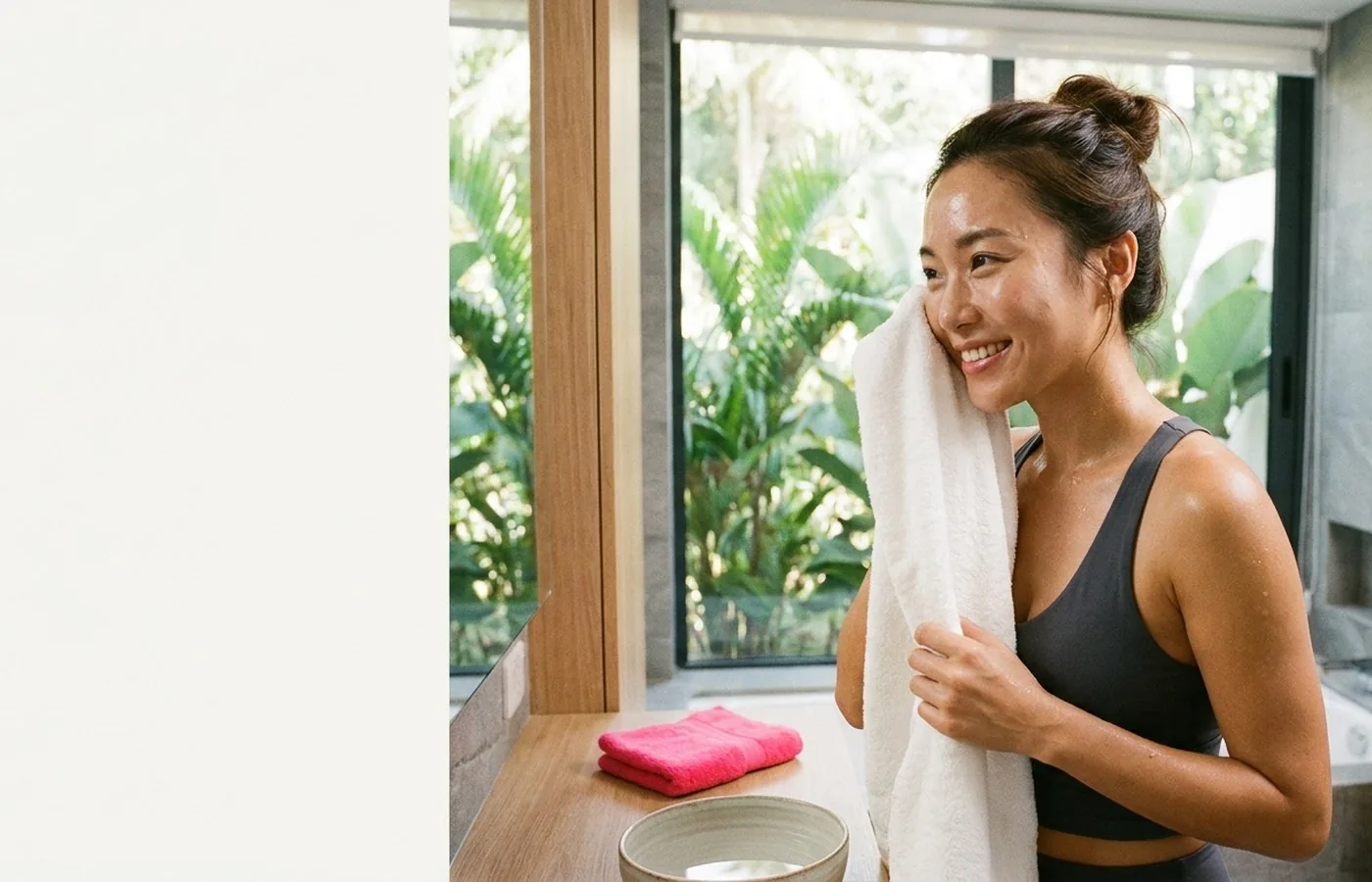
Korean skincare became a global phenomenon largely through a small handful of brands that turned up in every roundup and every airport duty-free shop. Behind those familiar names sits a much larger industry, full of smaller labels focused on specific skin concerns, ingredient philosophies, or formulation styles that rarely get the same spotlight.
Key points
- Korean skincare is a huge, varied market, not just the handful of brands most people recognise.
- Smaller brands often specialise in one approach, like barrier repair or gentle actives, rather than trying to do everything.
- Ingredient lists and formulation style matter more than brand fame when choosing a product.
- Patch testing new products still matters, regardless of how well-reviewed a brand is.
Why the biggest K-beauty names are not the whole story
The brands that first introduced many people outside Korea to sheet masks, essences, and multi-step routines became famous partly through smart marketing and wide retail distribution, not necessarily because they were the most interesting formulations available. A much larger group of smaller, more specialised brands exists behind that initial wave, often with narrower, more specific focuses.
Some of these lesser-known labels concentrate on gentle, barrier-focused formulas for sensitive or reactive skin. Others lean into simpler ingredient lists with fewer added fragrances or dyes. A few focus specifically on one category, like sunscreen texture or exfoliating toners, and put most of their research into getting that one product right rather than building a sprawling twenty-item lineup.
If your skin has been reacting to more mainstream products, our guide to sweat and skincare covers some of the basics of building a gentler routine, which pairs well with exploring simpler, less hyped brands.
What to look for when trying a new brand
- Read the ingredient list, not just the marketing claims on the front of the packaging.
- Look for a brand that is transparent about its formulation approach, rather than vague wellness language.
- Check whether the brand specialises in your specific concern, like sensitivity, oiliness, or ageing, rather than claiming to fix everything at once.
- Start with a smaller size or sample if one is available, since a big bottle is a bad way to discover a reaction.
- Give a new product a few weeks before judging it, since many active ingredients need consistent use to show any real change.
This approach works whether you are trying a famous brand or a smaller one nobody in your circle has heard of. Fame is not a formulation credential, and plenty of well-known products are simply average, propped up by marketing budgets rather than standout ingredient lists.
Use this as a starting point, then adjust for your body, conditions and professional advice. A plan is useful only when it responds to you.
Why patch testing still matters, no matter how well-reviewed a brand is
A glowing review from someone with different skin than yours is not a guarantee of how a product will behave on your face. Smaller, lesser-known brands are not automatically safer or gentler just because they lack the marketing reach of bigger names, and some genuinely famous brands include ingredients that irritate a meaningful share of users.
A basic patch test, a small amount applied to your inner arm or behind your ear for a couple of days, remains one of the simplest ways to catch a reaction before it shows up across your whole face. This matters especially with actives like exfoliating acids or retinol-adjacent ingredients, which are increasingly common even in smaller indie Korean lines.
If skincare is one part of a bigger self-care routine you are trying to build consistently, the Habit Planner can help you stick with a new product long enough to know whether it is working.
Finding K-beauty brands that suit you, not just the ones everyone already knows
The most useful approach to Korean skincare is not chasing whichever brand is trending this month. It is figuring out your actual skin concern, reading ingredient lists with a critical eye, and being willing to try a smaller or less famous label if it is genuinely built around what you need. Some of the best formulations sit quietly on a shelf below the brands everyone already recognises.
Give any new brand, big or small, a fair trial period before deciding, and always patch test first. That combination of curiosity and caution is what lets you benefit from the huge range that Korean skincare offers, well beyond the handful of names that show up in every list.
For more grounded reads on skincare and beauty beyond the hype, the lifestyle hub keeps building out this kind of practical coverage.
How long should I try a new skincare product before judging it?
A few weeks is usually needed to see whether an active ingredient is working.
What should I look at first when trying a new brand?
The ingredient list and whether it matches your specific skin concern, rather than the marketing claims alone.
More on this topic from the archive: Homegrown Singapore Beauty Brands Worth Knowing About, 11 Types of Korean Moisturisers Worth Knowing for Glowing Skin and Where to Look for Activewear Beyond the Usual One Brand.
This article provides general education and is not a diagnosis or a substitute for personalised medical care. Stop exercise and seek appropriate help for severe, sudden or concerning symptoms.
Korean Beauty Brands Worth Knowing Beyond the Big Names: questions answered
Are lesser-known K-beauty brands safer than famous ones?
+
Not automatically. Fame is not a safety guarantee, so patch testing matters regardless of a brand's popularity.