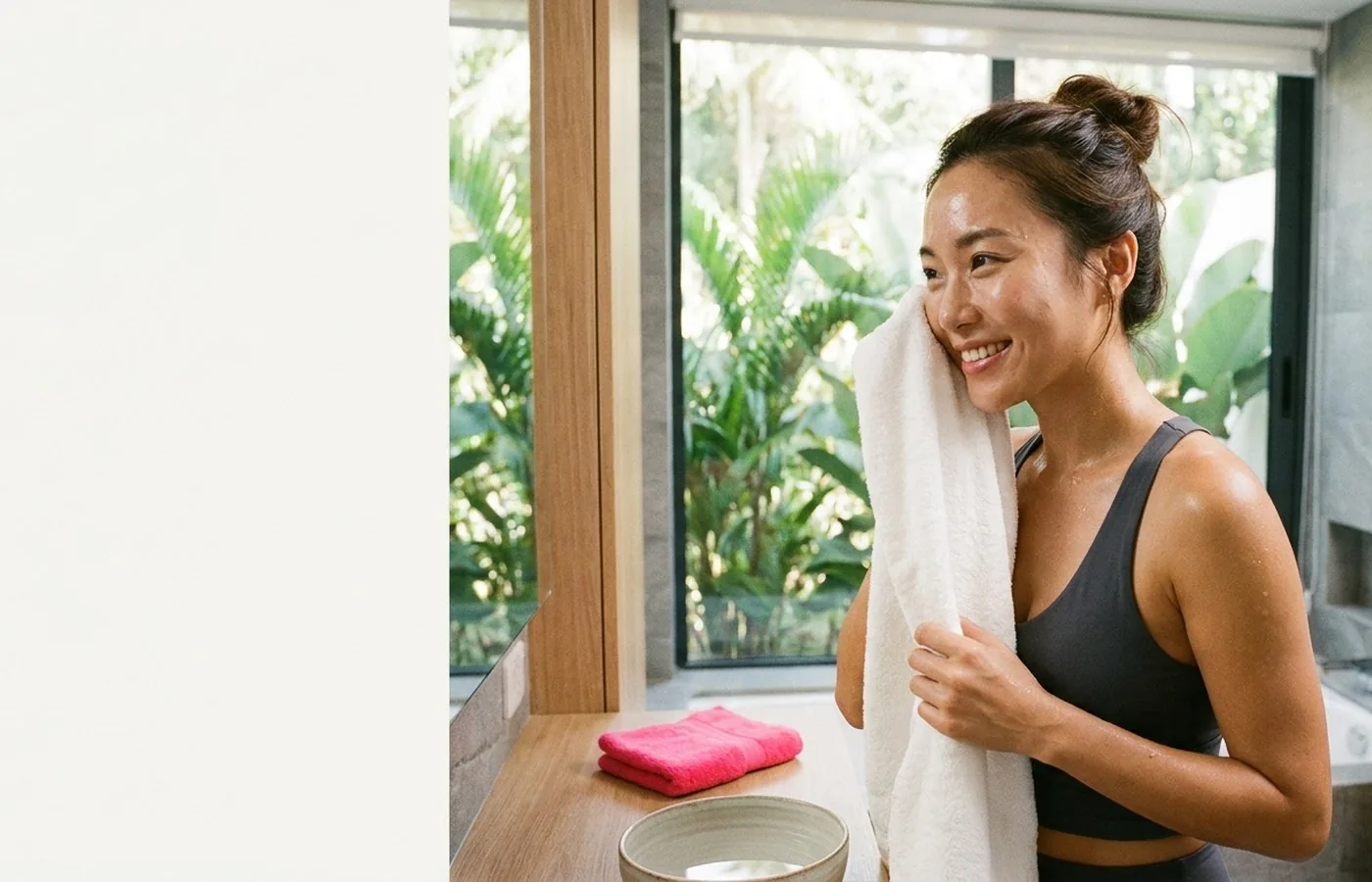
Korean skincare has a strong reputation for glowing skin, and a lot of that reputation genuinely comes down to how seriously the moisturising step gets treated. Rather than one miracle cream, the approach usually leans on layering different textures to keep skin hydrated and calm. Knowing the common categories helps you pick what suits your skin, instead of guessing from packaging alone.
Key points
- Korean skincare tends to prioritise hydration and barrier repair over harsh, fast-acting actives.
- Different moisturiser textures suit different skin types and climates.
- A glow usually comes from consistent hydration, not one specific ingredient.
- Layering lighter to heavier products works better than piling on one thick cream alone.
What makes Korean moisturisers stand out
A lot of the Korean skincare approach centres on a barrier-first philosophy: keep the skin's natural moisture barrier intact and calm, and glow tends to follow more naturally than trying to force it with harsh treatments. That is part of why ingredients like centella asiatica, snail mucin, rice extract, and ceramides show up so often in these products.
Texture also gets more attention than in many other skincare traditions, with lighter, layerable formulas designed to be used one after another rather than a single heavy cream doing all the work alone. This matters especially in humid climates like Singapore, where heavier textures can feel uncomfortable for much of the year.
This layering habit also grew out of a broader routine culture, where a cleanser, toner, essence, and moisturiser are treated as separate small steps rather than one all-in-one product trying to do everything at once. That approach is not required for good skin, but it explains why the moisturiser step alone has so many sub-categories worth knowing.
If sweat and humidity already complicate your skincare routine, our guide to sweat and skincare covers how to adjust products for a tropical climate specifically.
Eleven types of Korean moisturisers and what they're generally good for
| Type | Generally good for |
|---|---|
| Essence-in-cream | Light hydration with a serum-like feel. |
| Gel moisturiser | Oily or combination skin in humid weather. |
| Sleeping mask | Extra overnight hydration, used a few times a week. |
| Watery emulsion | A light middle layer between toner and cream. |
| Ampoule-infused cream | Extra concentrated active ingredients alongside hydration. |
| Cushion cream | Bouncy, lightweight texture that absorbs fast. |
| Propolis moisturiser | Calming, often used for reactive or stressed skin. |
| Snail mucin cream | Hydration plus a soothing, repairing feel for irritated skin. |
| Rice-based cream | Brightening feel alongside gentle hydration. |
| Centella (cica) cream | Calming for sensitive or easily irritated skin. |
| Barrier cream | Heavier, protective, often used for very dry or compromised skin. |
Most people do not need all eleven. Picking one or two that match your skin type and climate matters far more than collecting the whole list.
Use this as a starting point, then adjust for your body, conditions and professional advice. A plan is useful only when it responds to you.
How to get a glow instead of feeling greasy
Layering from lightest to heaviest usually works better than piling one thick product straight onto bare skin. A watery emulsion followed by a lighter cream, for example, tends to absorb better than one heavy cream applied alone, especially in Singapore's climate.
Patch testing matters here too, since "natural" or gentle-sounding ingredients like snail mucin or propolis can still cause a reaction for some people. Try a new product on a small area first before using it across your whole face.
Sun protection remains just as important as any moisturiser, since UV exposure undoes a lot of the calming and hydrating work a good moisturiser is trying to do. A glowing routine without daily sun protection is working against itself.
Applying products to slightly damp skin, rather than fully dry skin, also helps lighter Korean formulas absorb better and feel less sticky, which matters a great deal in a climate as humid as Singapore's.
Building a simple Korean-style moisture routine for glowing skin
You do not need an eleven-step routine to get the benefit of this approach. Picking a light layer for humid days and a slightly richer one for drier, air-conditioned days already covers most of what matters. Consistency across weeks does far more for a genuine glow than any single expensive jar.
If skincare is only one part of a bigger self-care routine you are building, our lifestyle hub covers more everyday habits worth setting up alongside it. Our health hub also has broader context on how sleep and hydration affect how your skin looks day to day.
Glowing skin, in the end, usually comes down to steady hydration and a calm barrier kept up over time, not a single miracle Korean moisturiser. Once you know the categories, picking the right one for your skin becomes a much smaller decision.
Is snail mucin good for skin?
Many people find it hydrating and soothing, though it is still worth patch testing before regular use.
Why do Korean moisturisers feel lighter than other creams?
Many are designed to be layered in thin textures rather than relying on one heavy application.
More on this topic from the archive: Korean Beauty Brands Worth Knowing Beyond the Big Names, How to Pick a Moisturiser That Works for Oily or Combination Skin and 6 Facial Exercises to Do for Pretty, Glowing Skin.
This article provides general education and is not a diagnosis or a substitute for personalised medical care. Stop exercise and seek appropriate help for severe, sudden or concerning symptoms.
11 Types of Korean Moisturisers Worth Knowing for Glowing Skin: questions answered
Do I need a full eleven-step Korean skincare routine?
+
No. One or two well-chosen moisturiser types matched to your skin type usually cover most of the benefit.
