Every wardrobe eventually collects the same problem stains: yellowing underarms, a coffee splash, a curry drop, a grass mark from a weekend outdoors. Most stains are not permanent. The real issue is usually timing and technique, not the fabric being ruined. A little know-how can save clothes you would otherwise write off.
Key points
- Treat stains as early as possible, since heat and time can set them permanently.
- Sweat stains respond best to a vinegar or baking soda soak, not just harsher detergent.
- Different stain types need different first steps, so one universal trick will not cover everything.
- Always check the fabric care label before using a stronger treatment.
Why sweat stains are their own special problem
That yellow tint under the arms of white shirts is usually a reaction between sweat, deodorant compounds like aluminium salts, and the fabric itself, not just dirt sitting on top. This is why regular washing often does not fully remove it. Soaking the affected area in a mix of white vinegar and water for thirty minutes before washing can help break down the buildup. Baking soda paste, worked into the fabric and left for fifteen to twenty minutes, is another reliable option.
Hot water can make sweat stains worse by setting the proteins into the fibres, so treat these areas with cool or lukewarm water rather than reaching for the hottest setting on your machine. For clothes you sweat through often, especially workout gear, our guide to sweat and skincare covers how sweat interacts with both skin and fabric.
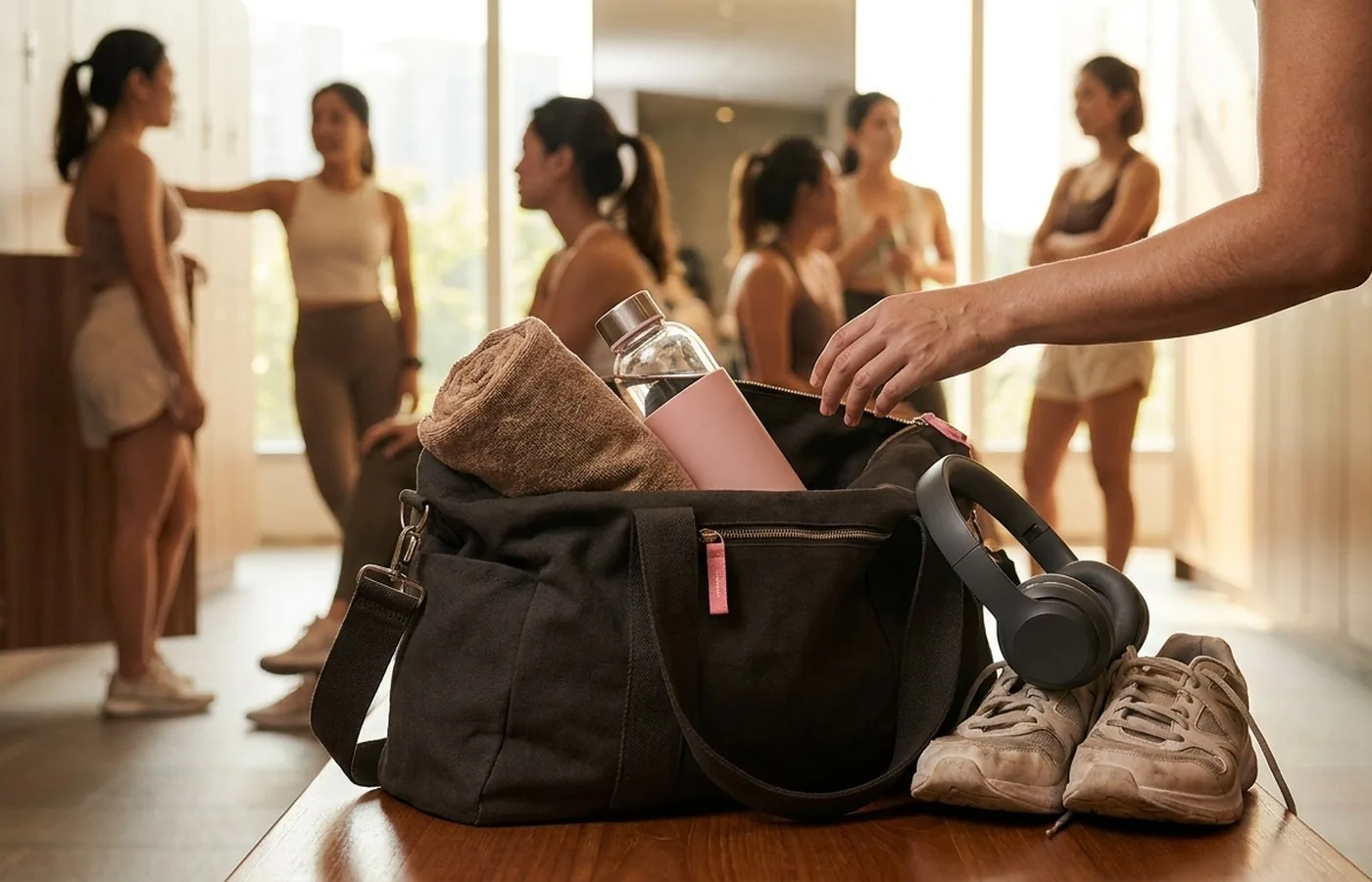
It also helps to catch these stains before they get a chance to set. A shirt left balled up in a bag overnight after a hot commute or a training session gives sweat and bacteria far more time to bond with the fabric, which is exactly why gym gear tends to stain and smell faster than clothes worn for a normal day at a desk.
A stain-by-stain quick reference
| Stain | First step | Notes |
|---|---|---|
| Sweat and deodorant marks | Vinegar or baking soda soak | Use cool water, avoid hot washes |
| Coffee or tea | Rinse with cool water immediately | Then treat with a small amount of dish soap |
| Oil-based food (curry, sauce) | Blot, do not rub, then apply dish soap | Dish soap is built to break down grease |
| Grass or mud | Let mud dry, brush off, then soak | Rubbing wet mud spreads the stain |
| Ink | Dab with rubbing alcohol on a cloth | Test on a hidden area first |
| Blood | Rinse in cold water only | Hot water sets blood stains permanently |
| Makeup or foundation | Dish soap or a gentle makeup remover wipe | Blot instead of scrubbing |
The common thread across almost every stain is speed. A fresh stain treated within the day comes out far more easily than one that has gone through a hot dryer, which can bake many stains permanently into the fibres.
Use this as a starting point, then adjust for your body, conditions and professional advice. A plan is useful only when it responds to you.
Mistakes that make stains worse instead of better
Rubbing a stain hard, especially while it is still wet, tends to push it deeper into the fibres and can also damage the fabric weave. Blotting from the outside in is almost always the better move. Using hot water on protein-based stains like blood or sweat is another common mistake, since heat can cook the proteins into the fabric rather than lifting them out.
Skipping the care label is a quieter mistake that shows up later. Silk, wool, and some synthetic blends can react badly to vinegar, bleach, or strong rubbing, so a treatment that works beautifully on cotton can damage a delicate fabric. When in doubt, test any stain treatment on a hidden seam or hem first.
Tossing a stained item into the dryer before checking that the stain is gone is one of the most common and most avoidable mistakes. Heat sets most stains permanently, so always inspect the garment in good light after washing, before it goes anywhere near a heat source.
Leaving a stained item to sit for "just one more day" is another quiet mistake, since most fresh stains get noticeably harder to remove after twenty-four hours, even without any heat involved. If you cannot wash a stained item right away, at least rinse it under cool water and let it air dry, rather than leaving it damp in a hamper where the stain has time to bond further with the fibres.
Getting stubborn stains, sweat included, out for good
Removing tough stains, especially sweat stains, mostly comes down to acting fast, matching the treatment to the type of stain, and skipping the dryer until you have confirmed the stain is gone. None of this requires expensive stain removers. Vinegar, baking soda, and basic dish soap handle the vast majority of everyday marks.
If workout gear is where most of your stain problems show up, building a habit of rinsing sweaty clothes soon after a session, rather than leaving them in a gym bag for a day or two, prevents a lot of the yellowing and odour that becomes much harder to remove later. Anyone building a more regular training habit through the fitness hub will likely run into this exact laundry problem sooner or later, so it helps to have a plan for it before your gym bag becomes the culprit.
For more practical, everyday guides like this one, the lifestyle archive keeps adding pieces that solve small, real problems rather than chasing trends.
More on this topic from the archive: 5 Tips Every Woman in Singapore Needs to Reduce Sweat Stains on Her Clothes.
This article provides general education and is not a diagnosis or a substitute for personalised medical care. Stop exercise and seek appropriate help for severe, sudden or concerning symptoms.
How to Remove Stubborn Stains From Your Clothes, Including Sweat Stains: questions answered
Why do sweat stains turn yellow?
+
It is usually a reaction between sweat, deodorant ingredients, and fabric fibres, not just dirt sitting on the surface.
Should I use hot or cold water on stains?
+
Cold or lukewarm water is safer for most stains, especially protein-based ones like blood and sweat, since heat can set them permanently.
Can old, set-in stains still be removed?
+
Sometimes, though success rates drop the longer a stain has been through a hot wash or dryer cycle.