Singapore's heat means sweat is simply part of daily life, not a sign that something is wrong with your body. But those yellow-tinged underarm marks on your favourite tops are annoying enough that most women have quietly given up wearing certain pieces because of them. These five tips target the actual cause of sweat stains, not just the sweat itself.
Key points
- Sweat stains come from a reaction between sweat, antiperspirant, and fabric, not from sweat alone.
- How and when you apply antiperspirant changes how badly clothes stain.
- Treating a stain the same day works far better than waiting for the next full laundry load.
- Fabric choice under the arms matters as much as your washing routine.
Why sweat stains happen more in Singapore's climate
The yellow tint on an underarm stain usually is not sweat by itself. It is what happens when proteins in sweat mix with the aluminium salts in most antiperspirants and then react with fabric dye over time, especially white and pale colours. In a warm, humid climate, clothes also take longer to fully dry between wears and washes, which gives that reaction more time to set in before it ever reaches the washing machine.
This is also why the problem often feels worse here than it did somewhere cooler. It is not that Singapore sweat is different. It is that the whole cycle of sweating, drying, and washing repeats more often and more intensely, so the same small reaction gets more chances to build up on your clothes.
Five tips that reduce sweat stains
- Apply antiperspirant at night, on dry skin. It works into the sweat glands overnight when you are not sweating, so less product sits wet against fabric the next day.
- Let it dry before you get dressed. Putting on a top over damp antiperspirant is one of the fastest ways to transfer product straight onto the fabric.
- Treat stains the same day, not on laundry day. A paste of baking soda and water, or a short soak in diluted white vinegar, worked in before the stain fully sets makes a real difference.
- Choose looser, breathable fabrics under the arms. Tight synthetic blends trap both sweat and heat against the skin, which worsens the reaction that causes staining.
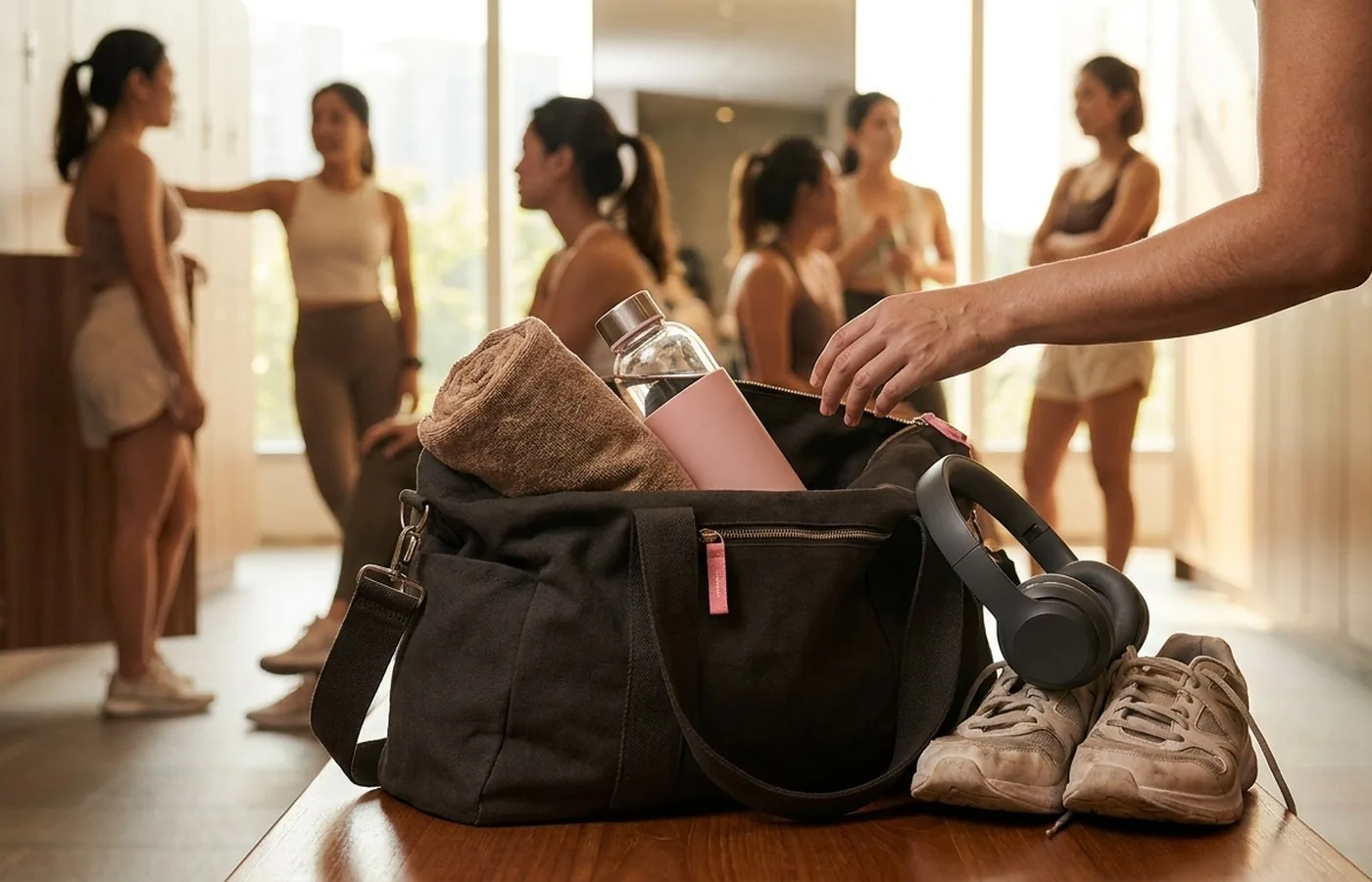
- Wash sweaty gym wear and warm-weather tops promptly. Letting a damp top sit in a gym bag or laundry basket for a day or two gives bacteria and residue time to set deeper into the fibres.
If you sweat heavily during workouts specifically, it is also worth checking your overall hydration, since the Hydration Planner can help you figure out whether you are drinking enough for how much you are losing through sweat in the heat.
Use this as a starting point, then adjust for your body, conditions and professional advice. A plan is useful only when it responds to you.
The laundry habits that stop stains building up over time
Cold water works better than hot for a first soak on a sweat-stained garment, because heat can set the stain into the fabric rather than lift it out. A short pre-soak before the regular wash cycle, rather than throwing a stained top straight into a hot wash, gives any treatment a real chance to work.
An enzyme-based detergent tends to break down the protein in sweat more effectively than a standard one, which matters more for this specific kind of stain than fragrance or brightness claims on the bottle. High heat in the dryer is also worth avoiding for stained items until you are sure the stain is fully gone, since heat can lock in whatever residue is left rather than remove it.
If stains keep reappearing on the exact same tops even after washing, that usually means the fabric has already absorbed some residue over repeated wears. At that point, a stronger pre-treatment before the next few washes, rather than one single attempt, tends to clear it gradually.
Keeping sweat stains under control without giving up your normal Singapore wardrobe
You do not need to avoid white tops, skip antiperspirant, or dress like you are trying to disappear in the heat. Applying antiperspirant the night before, letting it dry, treating stains early, choosing breathable fabric under the arms, and washing sweaty clothes promptly cover most of what causes the problem.
If your sweating feels heavier than usual after workouts or active weekends, that is often just a hydration and heat-adjustment issue rather than anything unusual. Our guide to an active weekend in Singapore and the wider lifestyle hub both cover more practical, everyday habits like this one.
Can white vinegar damage delicate fabric?
A short, diluted soak is usually fine for cottons and blends, but it is worth spot-testing silk or very delicate fabric first.
What fabrics handle Singapore's heat best under the arms?
Breathable cotton, linen, and technical sweat-wicking sportswear tend to trap less heat and moisture than tight synthetic blends.
More on this topic from the archive: How to Remove Stubborn Stains From Your Clothes, Including Sweat Stains.
This article provides general education and is not a diagnosis or a substitute for personalised medical care. Stop exercise and seek appropriate help for severe, sudden or concerning symptoms.
5 Tips Every Woman in Singapore Needs to Reduce Sweat Stains on Her Clothes: questions answered
Does deodorant cause fewer stains than antiperspirant?
+
Deodorant alone reduces odour but not sweat, while antiperspirant reduces sweat but can react with fabric more if applied damp. Applying it dry at night helps either way.