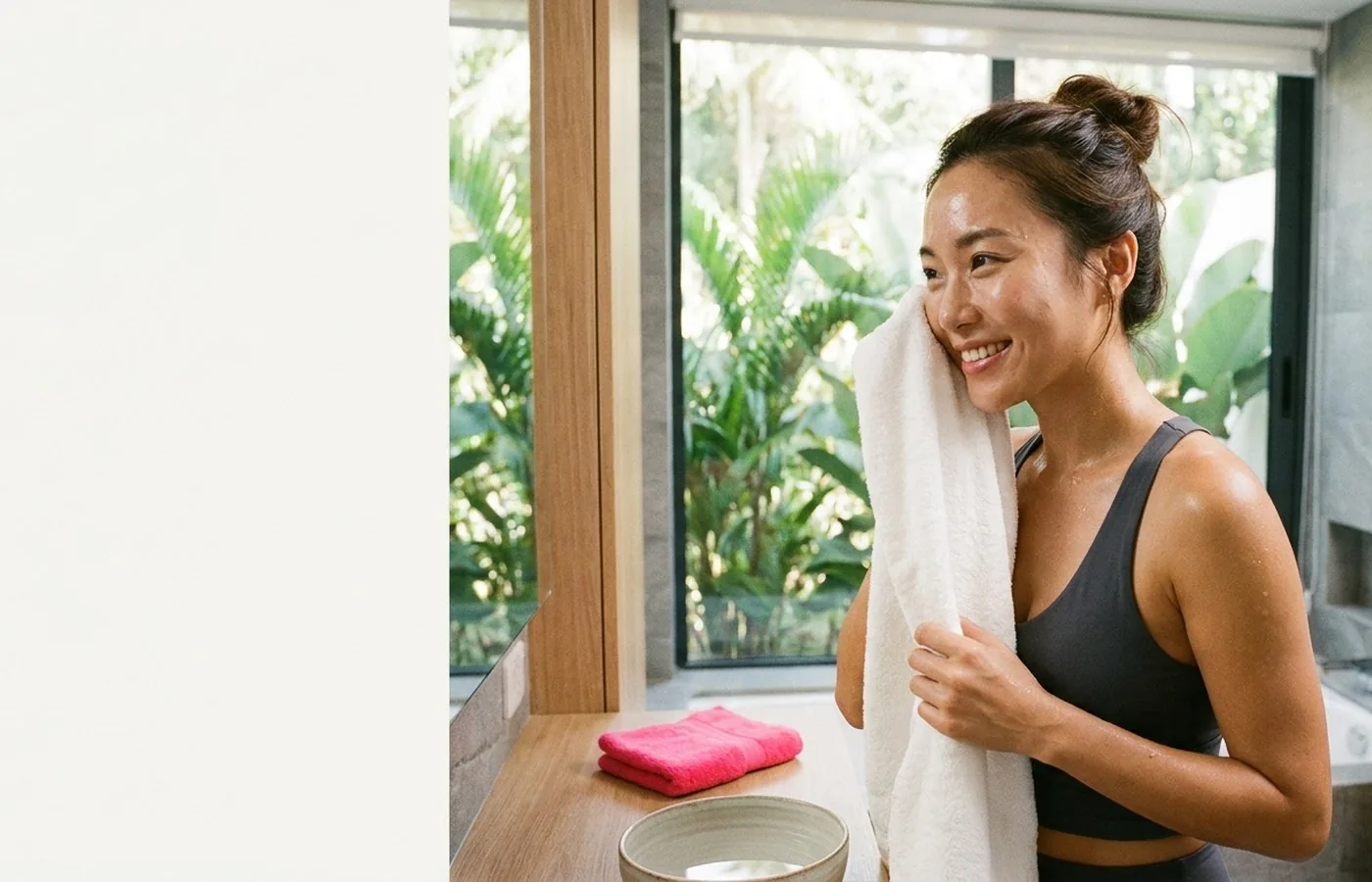
Most haircare conversations focus on the strands themselves, the shine, the frizz, the split ends, while skipping over the scalp that grows all of it. A healthy scalp behaves a lot like the rest of your skin: it needs the right amount of cleansing, some gentle care, and protection from the habits that quietly irritate it over time.
Key points
- A healthy scalp needs regular but not excessive cleansing, since both extremes can cause problems.
- Product buildup and tight hairstyles are two of the most common everyday causes of scalp irritation.
- A scalp that is flaky, itchy, or sore is worth addressing directly, rather than only treating the hair on top of it.
- Diet, stress, and sleep all show up in scalp health the same way they show up in skin elsewhere.
Why the scalp deserves as much attention as the hair itself
The scalp is skin, with its own oil glands, its own sensitivity, and its own reaction to product buildup, heat, and friction. Treating it as an afterthought, something that simply comes along with whatever shampoo you picked for your hair type, misses a big part of what keeps hair looking healthy in the first place. A stressed, irritated scalp environment tends to produce hair that looks duller, feels weaker, and sheds more than it otherwise would.
This matters even more in a hot, humid climate, where sweat, oil, and product can build up faster between washes than in a cooler environment. A scalp that stays comfortable through a full day, rather than itchy or tight, is usually a good sign that the rest of your haircare routine is working the way it should.
Habits that genuinely support scalp health
- Wash on a schedule that matches your actual oil production, rather than a fixed daily or weekly rule copied from someone else's routine.
- Use lukewarm rather than very hot water, since hot water can strip natural oils and leave the scalp drier and more reactive.
- Massage gently while shampooing, which supports circulation without the harsh scrubbing that can irritate sensitive skin.
- Give tight ponytails, buns, and braids regular breaks, since constant tension along the hairline can cause a slow, avoidable kind of hair loss over time.
- Rinse conditioner and styling products thoroughly, since leftover residue is one of the most common causes of an itchy, flaky scalp.
None of these habits require special products. They mostly ask for a bit more attention to how you wash and handle hair day to day, rather than what brand of shampoo sits in the shower.
Use this as a starting point, then adjust for your body, conditions and professional advice. A plan is useful only when it responds to you.
What can make scalp problems worse without you realising
Overwashing can strip the scalp's natural oils, triggering it to overproduce oil in response, which paradoxically leaves hair looking greasier faster. Underwashing, on the other hand, lets oil, sweat, and product build up until the scalp starts to itch or flake. Both extremes are common, and both are usually fixable by adjusting frequency rather than switching to a completely different product line.
Heat styling directly on the scalp, very tight hairstyles worn daily, and skipping a proper rinse after conditioner are all quiet, repeat offenders. Stress and poor sleep can also show up here, the same way they show up in skin elsewhere on the body, sometimes triggering a temporary increase in shedding a few months after a genuinely hard stretch. If sleep has been rough lately, our sleep and recovery guide is worth a look, since recovery affects more of the body than most people expect.
Building scalp care into a routine you will keep
Start with the basics: a washing frequency that matches your actual scalp, gentler water temperature, and looser hairstyles on the days you can manage it. If flaking, itching, or soreness persists despite reasonable changes, that is worth a proper look from a dermatologist rather than another round of over-the-counter guessing. Our health hub has more on recognising when a symptom needs a professional opinion rather than a home fix.
Give any new scalp habit a few weeks before judging it, the same way you would with a skincare change elsewhere on the body. Hair growth and shedding both run on a slow cycle, so a calmer, less irritated scalp today will usually take a little time to show up as visibly healthier hair.
A genuinely healthy scalp is the quiet foundation behind hair that looks and feels good, far more than any single product claim on a bottle. For more everyday haircare and lifestyle guides, the lifestyle hub keeps the rest of these restored pages in one place.
Can tight hairstyles really cause hair loss?
Yes. Constant tension from tight ponytails, buns, or braids can cause a type of hair loss along the hairline over time, though it is usually avoidable with regular breaks.
Is scalp itchiness always a sign of a problem?
Occasional mild itchiness can come from product buildup or heat, but persistent or severe itching is worth checking with a doctor rather than assuming it will pass.
More on this topic from the archive: 8 Things Worth Having in Your Routine for a Genuinely Healthy Scalp and Do Scalp Tonics Really Help Hair Grow? Here's What They Can Do.
This article provides general education and is not a diagnosis or a substitute for personalised medical care. Stop exercise and seek appropriate help for severe, sudden or concerning symptoms.
Simple Habits for a Genuinely Healthier Scalp: questions answered
How often should I wash my hair for a healthy scalp?
+
It depends on your natural oil production, but most people do well somewhere between every day and every few days rather than one fixed universal rule.