Activewear shopping gets overwhelming fast, since almost every brand claims their leggings are the ones that will change your workout. Cutting through that noise comes down to a handful of genuinely useful questions about fit, fabric, and how often a piece will get worn, rather than chasing whatever print or logo is trending this season.
Key points
- Fit matters more than fabric technology, since even a great material fails if the cut does not move with your body.
- Function should match the activity, since what works for weight training rarely works as well for running or swimming.
- Versatile pieces that go from a workout to running errands get worn far more often than single-purpose gear.
- A quick squat-and-stretch test in the fitting room reveals more than reading a product description ever will.
Why fit beats fabric technology almost every time
A lot of activewear marketing leans heavily on fabric technology: moisture-wicking claims, four-way stretch, seamless construction, and so on. Those things genuinely matter, but none of them save a piece that simply does not fit your body's shape and movement pattern. Leggings that slide down during a run, a sports bra that shifts during jumping movements, or a top that rides up mid-lift will feel uncomfortable no matter how advanced the fabric is supposed to be.
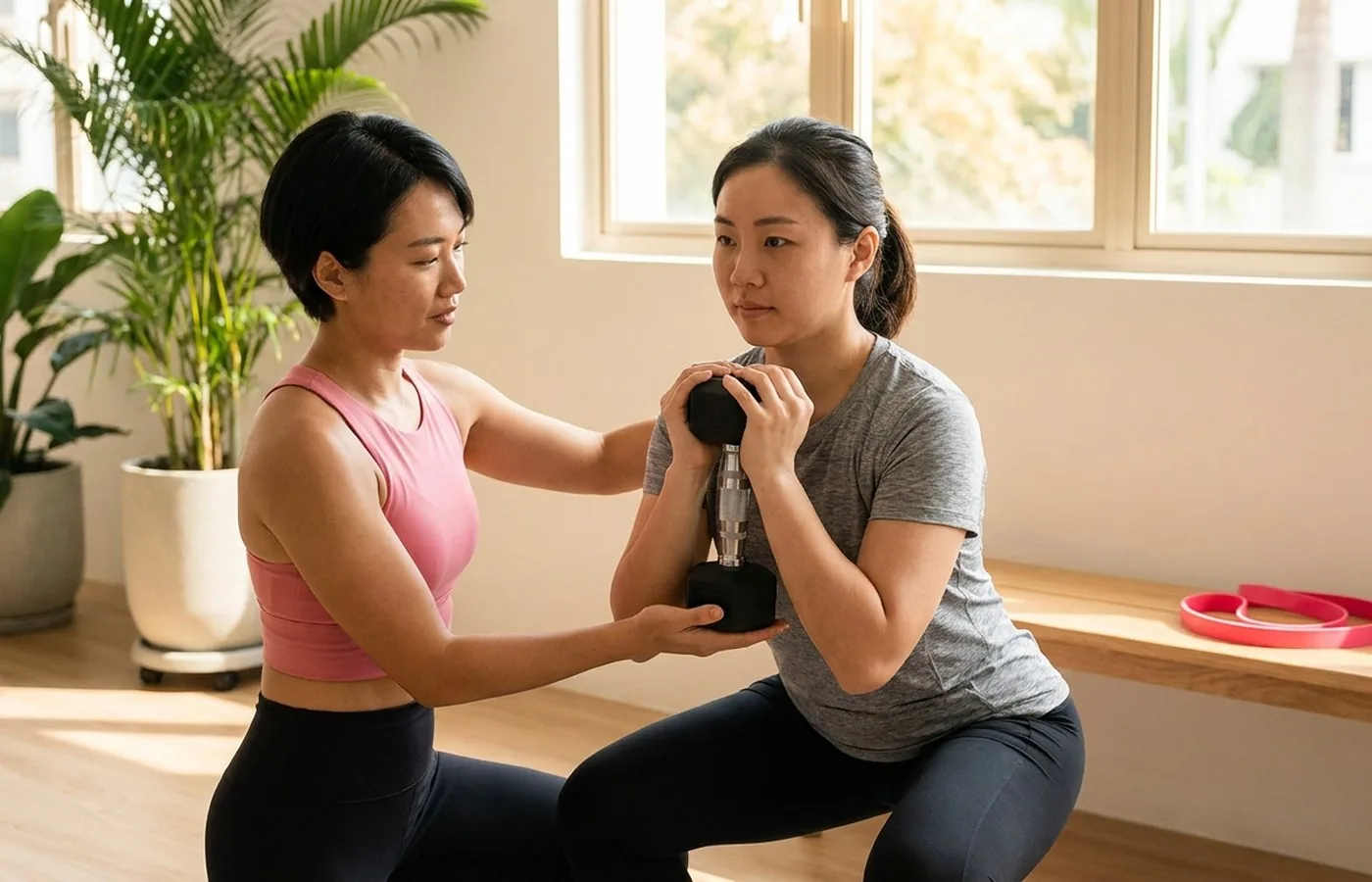
The best way to judge fit is to move in the item before buying it, not just try it on standing still. Squat, reach overhead, twist at the waist, and bend forward the way you would during a real workout. If something rides up, digs in, or feels restrictive during any of that, it is going to bother you far more once you are sweating and thirty minutes into a real session.
Matching function to the activity you do
- Strength training benefits from a bit more structure and less give in the waistband, since heavy lifts need a stable, supportive base.
- Running and cardio call for lighter, more breathable fabric with strong sweat-wicking, since heat and moisture management matter most here.
- Yoga and mobility work do better with softer, more flexible fabric that moves easily through a full range of motion.
- Swimming and water sports need fabric built specifically for chlorine and sun exposure, since ordinary activewear breaks down fast in a pool.
Buying one do-everything outfit sounds efficient, but it usually means underperforming in every single category. A short list of pieces matched to your actual regular activities, whether that is strength training or a regular run, tends to serve you far better than one expensive all-purpose set.
Use this as a starting point, then adjust for your body, conditions and professional advice. A plan is useful only when it responds to you.
Why versatility quietly wins over trend pieces
The pieces that get worn most often tend to be the ones that work equally well for a gym session and for running errands afterward. A neutral-coloured, well-fitted legging or a simple, supportive top gets far more use over a year than a loud print bought purely because it looked exciting online. That is not a style opinion so much as a practical one: clothing you reach for repeatedly gives you far more value per dollar than a piece worn twice and then forgotten in a drawer.
It also helps to think about your actual training routine before buying. If your sessions come from the Workout Builder and rotate between strength and cardio days, a small, versatile wardrobe covers both far better than a wardrobe stacked with single-purpose pieces for a routine that may shift from week to week.
How to judge activewear before you buy it
Move in it before deciding. Check the waistband, the seams under the arms, and how the fabric behaves once it stretches across your actual body rather than a mannequin. Consider how often you will realistically wear it, not how good it looks in a single photo. And be honest about which activity you are buying for, since a piece built for one kind of movement will always underperform in a completely different one.
None of this needs a specialist opinion or an expert panel to work out. It just needs a few honest minutes trying the piece on the way you move, which tells you more about what makes fashion fit for fitness than any marketing claim ever will. For more practical guides like this one, the lifestyle hub is where the rest of these restored pages live.
More on this topic from the archive: What Makes Activewear Sustainable? A Practical Buyer's Guide, How to Choose Swimwear and Lounge Pieces You Will Wear and Where to Look for Activewear Beyond the Usual One Brand.
This article provides general education and is not a diagnosis or a substitute for personalised medical care. Stop exercise and seek appropriate help for severe, sudden or concerning symptoms.
What Makes a Piece of Activewear Worth Buying: questions answered
What matters more, fabric or fit?
+
Fit, generally. Advanced fabric technology does not help if the cut of a piece does not move with your body.
Should I buy activewear for a specific sport?
+
Where possible, yes. Strength, running, and swimming all put different demands on fabric and structure, so matching function to activity helps more than one all-purpose piece.
How do I know if leggings fit well?
+
Squat, reach, and twist in them before buying. If they ride up, dig in, or feel restrictive during movement, they will bother you far more mid-workout.