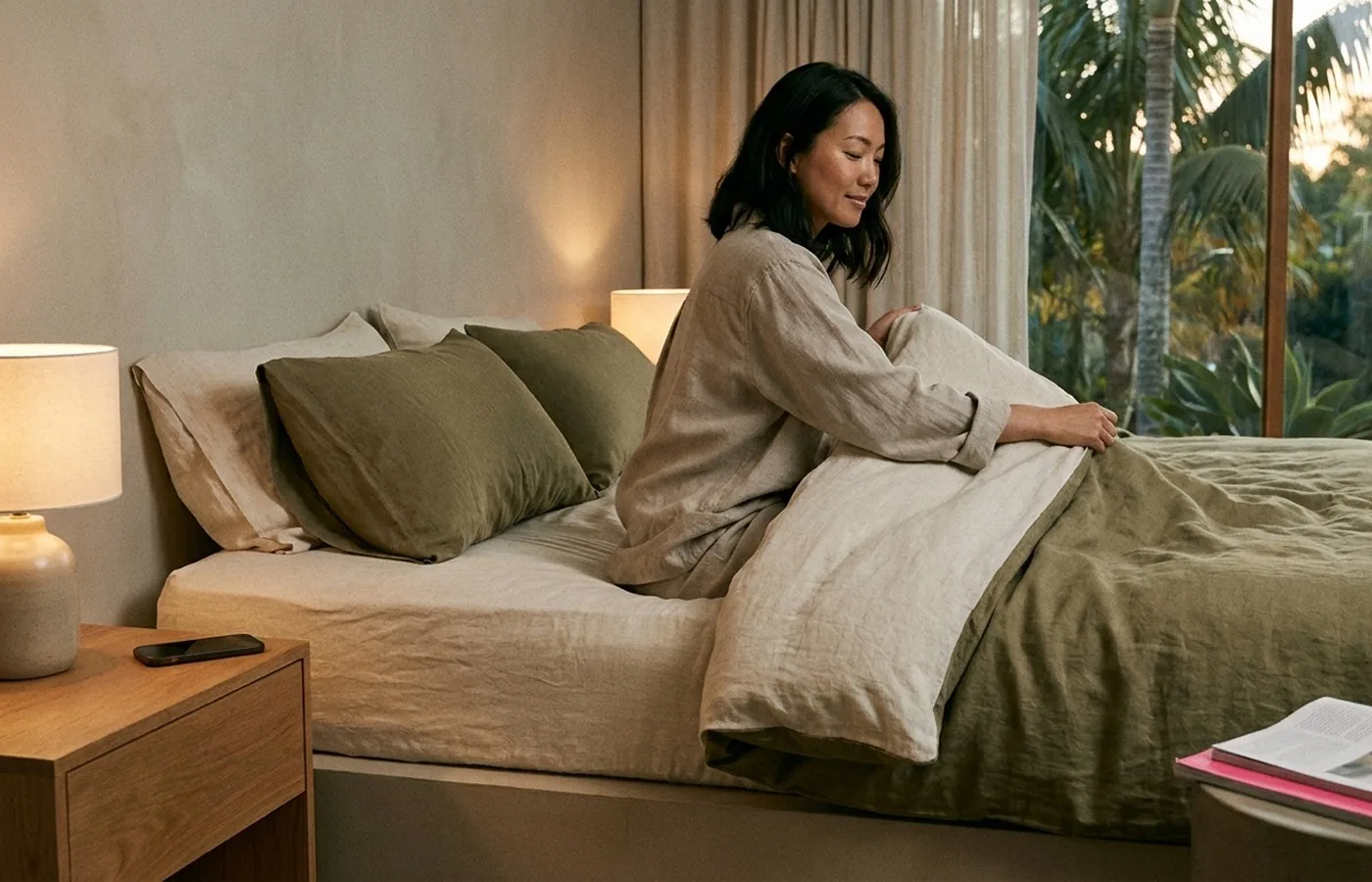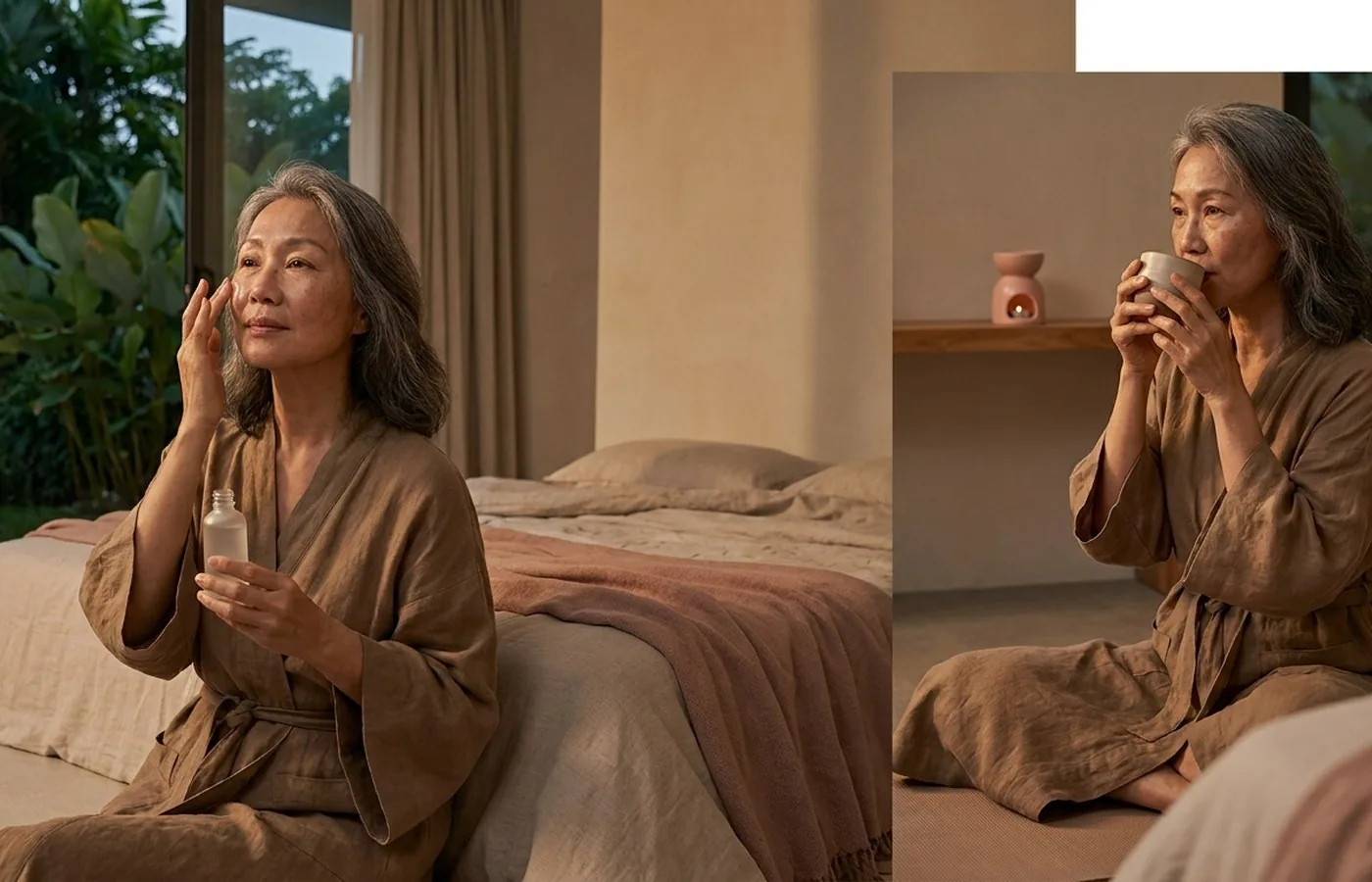
This headline is louder than real life, so it helps to slow it down. Sleeping after 11 pm does not automatically age your face overnight. But if late nights mean you keep missing the amount or quality of sleep your body needs, that can show up in how you look. Tired eyes, dull skin, more puffiness, and a generally worn-out look often come from sleep debt before they come from anything expensive in a bottle.
Key points
- A late bedtime is not the whole issue. The bigger issue is whether late nights are cutting sleep short and hurting recovery.
- Poor sleep can affect skin tone, puffiness, under-eye appearance, and how rested the face looks.
- Good sleep helps the whole body recover, not just the skin.
- Ongoing skin or sleep problems deserve sensible care, not panic about one clock time.
Why late nights can show up on the face
When sleep is short or broken, the body does not get the same chance to recover. That can leave the face looking flatter, duller, puffier, or more tired. Many people know this without needing a scientific paper. After a rough night, the mirror usually tells the truth pretty quickly.
Late nights also tend to come with extra baggage. More screen time. More snacking. Less water. More stress. Less morning energy. So when someone says sleeping after 11 pm makes you look older, part of what they are really seeing is the full routine around that bedtime, not just the number on the clock.
If your nights run late because stress will not let go, our movement-for-stress guide may help because a calmer body often reaches sleep earlier and more easily.
What matters more than the exact time of 11 pm
The truth is that 11 pm is not a magic beauty border. A person asleep at 11:15 who still gets enough rest may do better than someone in bed at 10:30 who scrolls, wakes often, and sleeps lightly. Sleep quality and total sleep time matter a lot more than one neat rule.
That said, going to bed later often makes it easier to lose sleep because mornings still come at the same time. That is where the trouble starts. If you are always borrowing from sleep and paying it back with caffeine, the face often shows it before you even feel how tired you are.
Food and hydration shape that tired look too. Late salty snacks can leave people puffier by morning, and a rough day pattern rarely helps skin look fresher. The Balanced Meal Builder and Hydration Planner can help if your evenings keep drifting into a tired, snacky mess.
Use this as a starting point, then adjust for your body, conditions and professional advice. A plan is useful only when it responds to you.
What helps if you want to look more rested
The answer is not to chase one anti-ageing product while still treating sleep like an optional extra. A steadier bedtime helps. Less phone light at night helps. A cooler, darker room helps. So does not eating a huge meal right before bed and not dragging stress into the pillow every night.
Morning light and a more regular wake time help too. Your sleep pattern is a 24-hour story, not just a bedtime story. If you want to look more rested, help your body act like it lives in a real day and night cycle again.
If your routine is messy, the 7-Day Habit Planner is useful for seeing whether your better face mornings come after better sleep nights. That kind of pattern is more helpful than guessing.
How to think about sleeping after 11pm is making you look older
The useful lesson is not that 11 pm is a curse. It is that poor recovery shows up. On a normal Wednesday, August 5, 2026, a face that looks older or more tired may simply be showing the cost of repeated late nights, weak sleep, and a routine that never fully settles.
So aim for a bedtime that gives you enough rest, not a bedtime that wins on social media. If your sleep is fine and your skin concerns are bigger than tiredness, get proper care instead of blaming everything on the clock. Good sleep helps, but it does not explain every skin change.
If you want more grounded reading after this, our sleep and recovery guide is the right next stop. Sleeping after 11pm is making you look older is a dramatic title, but the real message is calmer: repeated late, poor sleep often leaves the whole body looking and feeling less fresh.
This article provides general education and is not a diagnosis or a substitute for personalised medical care. Stop exercise and seek appropriate help for severe, sudden or concerning symptoms.
Sleeping After 11pm Is Making You Look Older: questions answered
Does sleeping after 11 pm always age your skin?
+
No. The bigger issue is whether late nights keep cutting sleep short or making sleep worse.
Can poor sleep make you look tired quickly?
+
Yes. Puffiness, dull skin, and tired eyes often show up fast after rough nights.
What matters more than the exact bedtime?
+
Sleep quality, total sleep time, and the routine around bedtime matter more than one strict clock rule.