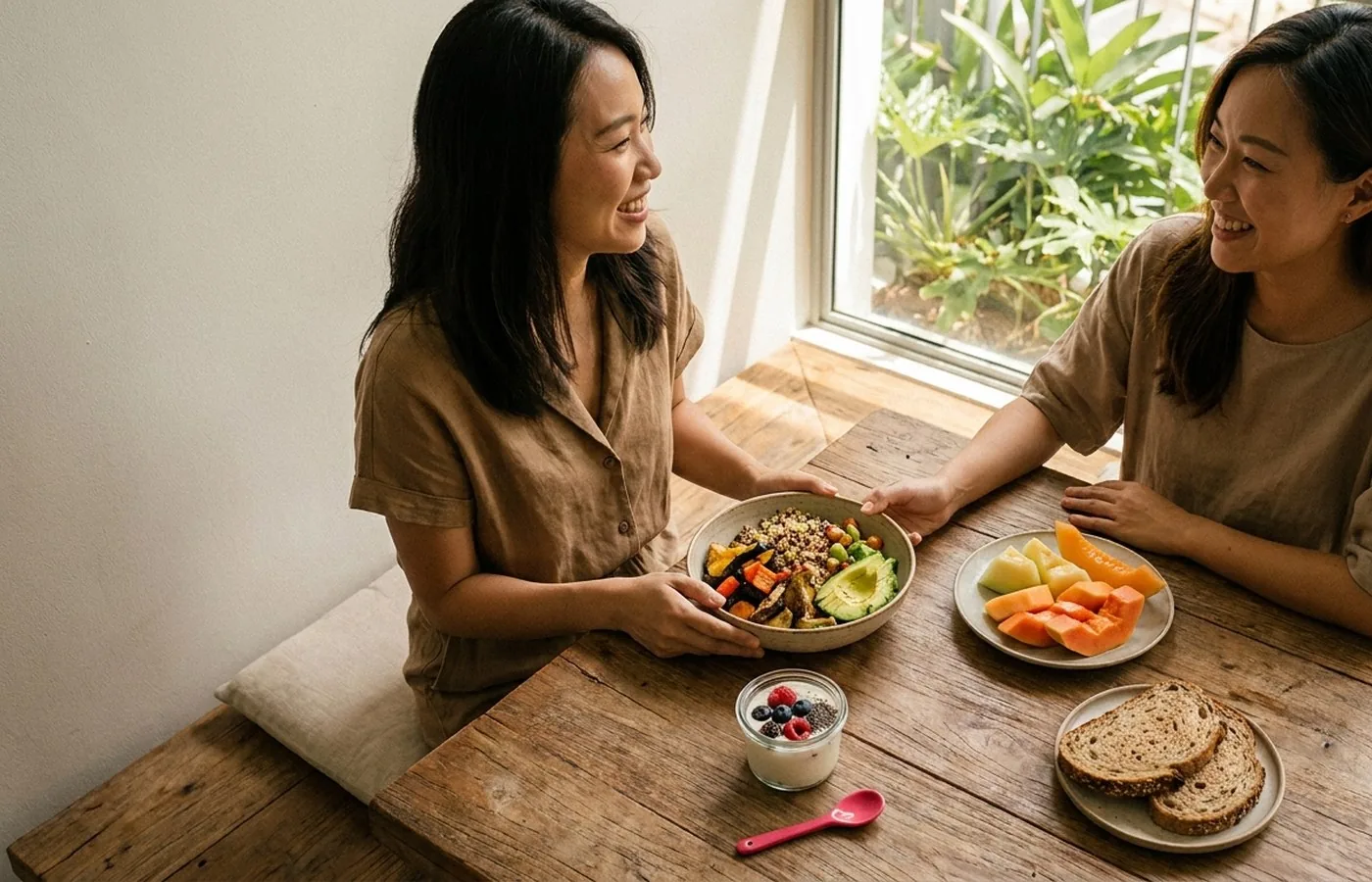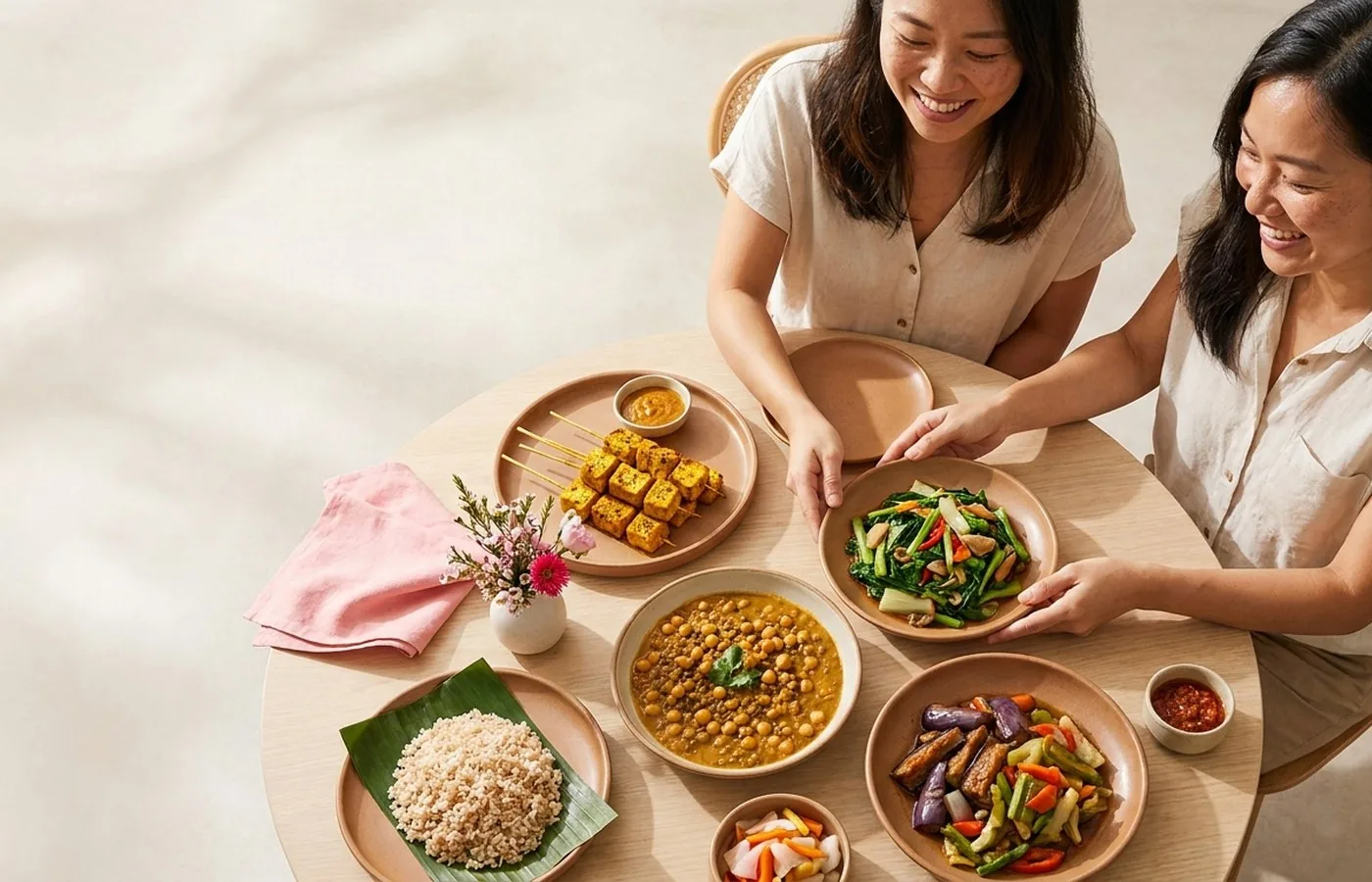
Going vegan can change your body, but not always in the simple miracle way people promise online. Some people feel lighter, eat more vegetables, and improve their cholesterol or digestion. Others end up relying on ultra-processed vegan snacks, missing protein, or feeling low on energy because the new diet is poorly planned. The body responds to the actual food pattern, not just to the label.
Key points
- A well-planned vegan diet can increase fibre intake, improve diet quality, and support heart health for some people.
- Early changes may include different digestion, appetite, weight, and energy, depending on how balanced the diet is.
- Protein, iron, vitamin B12, calcium, and omega-3 intake deserve attention on a vegan diet.
- Going vegan is not automatically healthier if meals are built mostly from refined or heavily processed foods.
Why the body response to vegan eating can vary so much
Two people can both say they are vegan while eating in completely different ways. One may eat beans, tofu, fruit, vegetables, whole grains, nuts, and balanced meals. The other may eat fries, sugary cereal, white bread, mock meats, and snack foods with a vegan label on them. The body will not react to those two diets in the same way.
That is why vegan results are so mixed. When people improve their overall food quality, they often feel some benefits. When they simply swap animal products for low-quality processed food, the outcome can be disappointing. The label matters less than the pattern.
If you are thinking about making the change, the Balanced Meal Builder is useful because it forces a more practical question: what is on the plate? A diet that sounds healthy in theory still needs enough protein, fibre, and total nourishment in real life.
Six things that may happen to your body when you go vegan
1. You may eat more fibre. Many people moving toward plant foods end up eating more beans, vegetables, fruit, and whole grains. That can support fullness, cholesterol levels, and bowel regularity.
2. Your digestion may change. More fibre can help, but the adjustment can also bring bloating or gas at first if the change is sudden. Slowing the transition sometimes helps.
3. Your weight may shift. Some people lose weight because meals become less calorie-dense and more filling. Others do not lose anything because vegan desserts, oils, and snack foods still add up quickly.
4. Your cholesterol may improve. For some people, eating less saturated fat and more plant foods helps. That benefit is more likely when the diet is built on whole foods instead of heavily processed replacements.
5. Your energy may improve or dip. Better food quality and lighter meals can feel good, but poor planning can leave you low on protein, iron, or total calories. That is why balance matters so much.
6. You may become more aware of nutrients you never used to think about. Vitamin B12 is the big one, and protein, calcium, iron, and omega-3 fats may need more attention too.
Use this as a starting point, then adjust for your body, conditions and professional advice. A plan is useful only when it responds to you.
What helps a vegan diet feel good instead of restrictive
The best vegan plans are usually built around real meals, not around fear of every non-vegan ingredient. Think beans, tofu, lentils, soy milk, fruit, vegetables, nuts, seeds, and grains you enjoy eating. Repetition helps here too. A few reliable breakfasts, lunches, and dinners are easier than trying to reinvent your whole diet every day.
If fatigue shows up, do not just assume detox or adjustment. Sometimes low energy means the new plan is too light or missing key nutrients. If sleep has also been poor, our sleep and recovery guide can help you separate food issues from recovery issues. If the shift in eating has made your week feel chaotic, the 7-Day Habit Planner can help you keep meals more consistent.
Hydration and digestion also matter during the switch. More fibre usually works best when fluid intake is not lagging behind. The Hydration Planner is helpful if you have increased fibre quickly and now feel bloated or backed up.
How to think about 6 amazing things that happen to your body when you go vegan
The word amazing may be overselling it a bit. The real story is that your body will respond to what you consistently eat. A vegan diet can be a thoughtful, healthy choice, but it still needs planning. Better digestion, better cholesterol, and weight changes are possible. So are bloating, low energy, and nutrient gaps if the diet is sloppy.
The most useful mindset is curiosity rather than ideology. Notice how you feel. Check whether meals are balanced. Get advice if you have special nutrition needs, health conditions, or signs that the diet is not working well for you. Going vegan should not mean guessing your way through avoidable deficiencies.
If you want more grounded reading around everyday health choices after this, the health archive is a good next stop. Six amazing things that happen to your body when you go vegan makes a catchy promise, but the real win is building a plant-based pattern that is nourishing enough to support your actual life.
More on this topic from the archive: 9 Unexpected Things Happen Body Pregnancy, Heres What Happens your Body When You Dont Eat Enough Protein and Vegan Orthorexic Jordan Youngers Story.
This article provides general education and is not a diagnosis or a substitute for personalised medical care. Stop exercise and seek appropriate help for severe, sudden or concerning symptoms.
6 Amazing Things That Happen to your Body When You Go Vegan: questions answered
Will I automatically lose weight if I go vegan?
+
Not automatically. Weight change depends on portion size, food quality, and total intake, not only on the vegan label.
Do vegans need supplements?
+
Many vegans need to think carefully about vitamin B12 at minimum, and some may need guidance on other nutrients depending on their diet.
Is bloating normal when starting a vegan diet?
+
It can happen if fibre intake rises quickly, but persistent digestive trouble or low energy is worth reviewing properly.