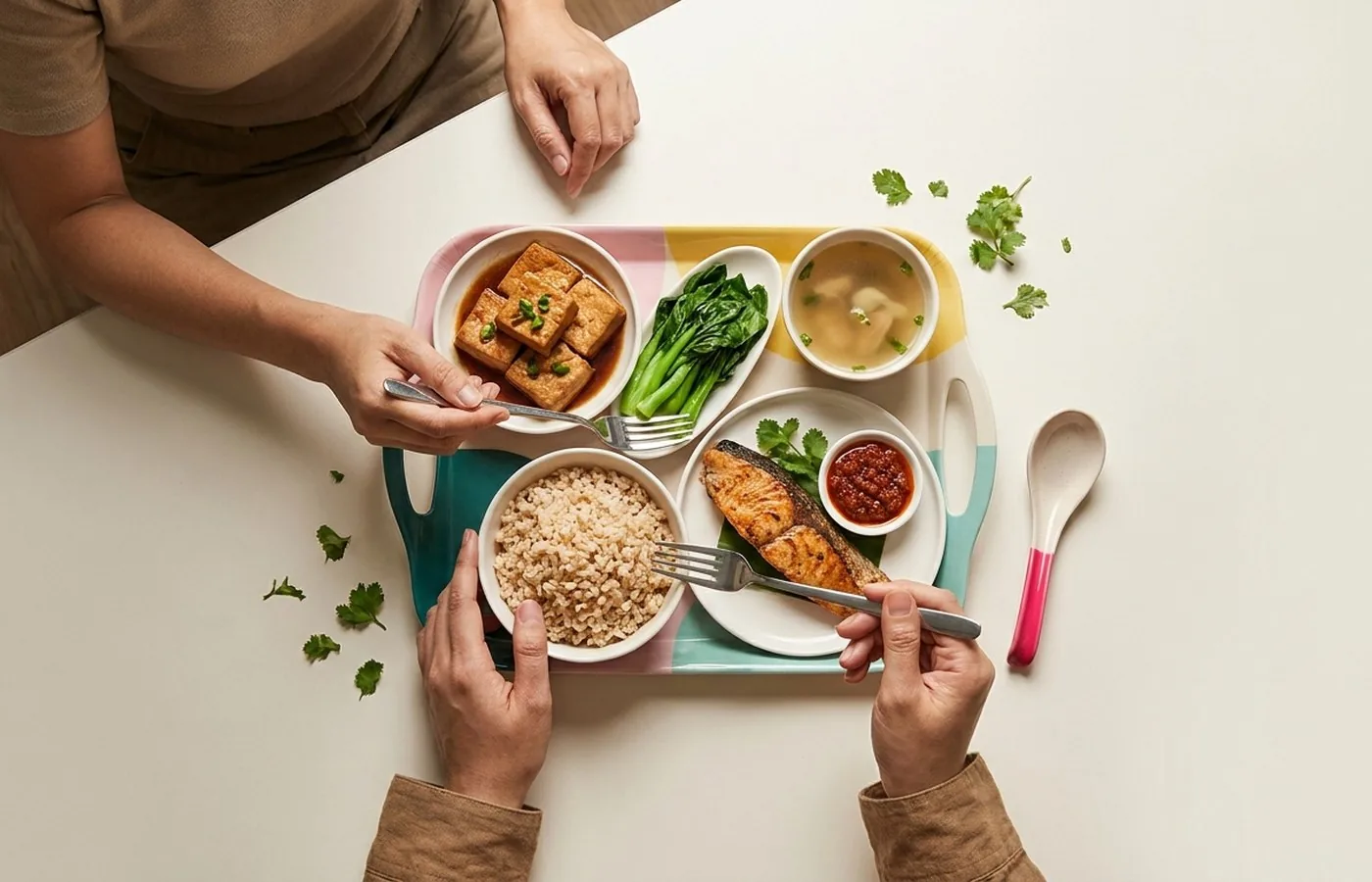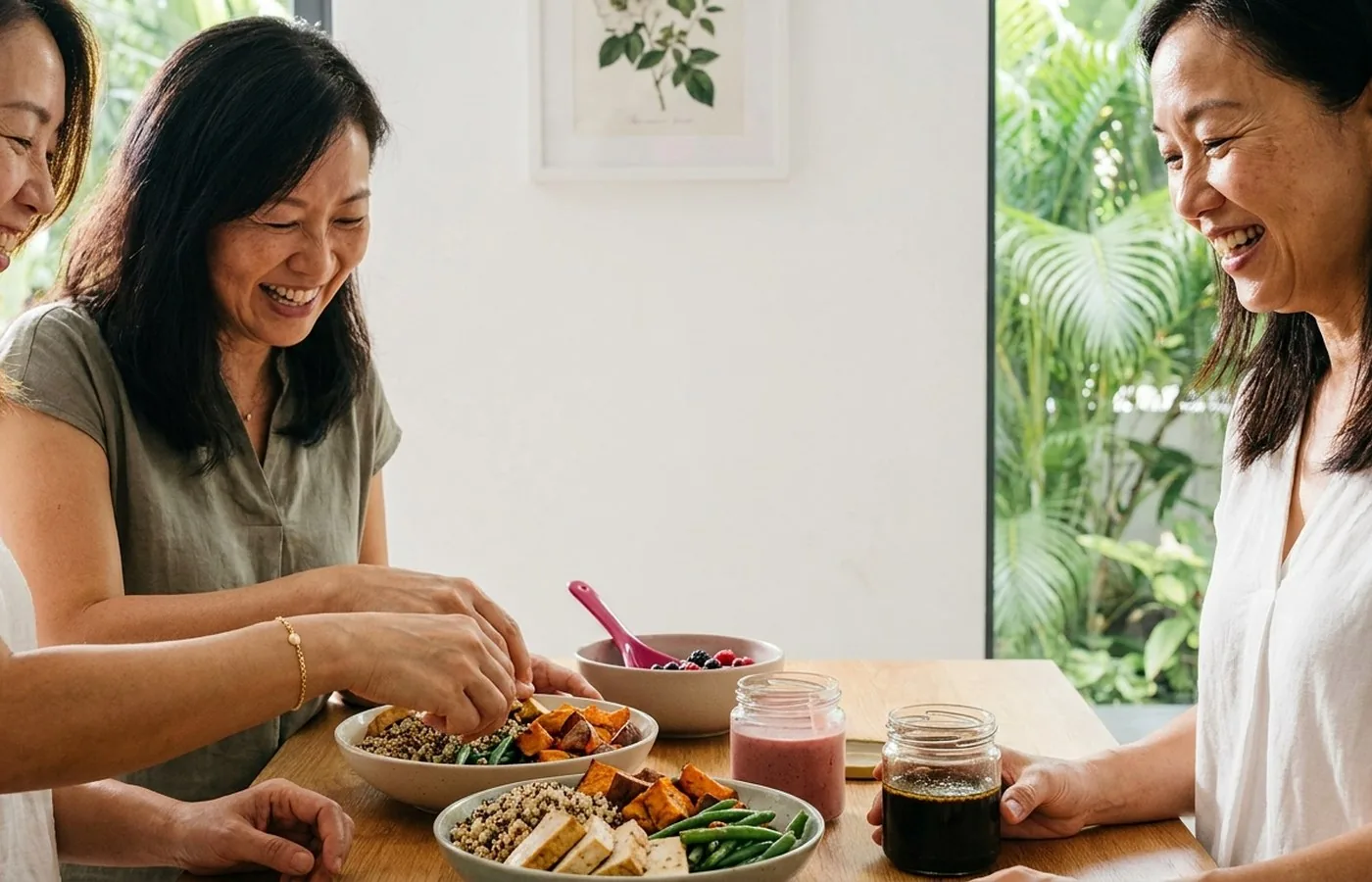
Most food waste does not happen because people do not care. It happens because plans change, portions are guessed wrong, and leftovers get forgotten at the back of the fridge. A few practical habits, plus some easy leftover ideas, can cut that waste down without much extra effort.
Key points
- Most food waste comes from over-buying and forgotten leftovers, not one big mistake.
- Planning meals loosely around what you already have cuts waste and saves money.
- Leftovers can often become a completely different meal with one or two extra ingredients.
- Proper storage extends how long food stays good to eat.
Where most food waste comes from
Food waste rarely happens because someone deliberately throws out a full meal. It tends to build up slowly: a bit too much rice cooked, vegetables bought with good intentions and never used, a takeaway box pushed to the back of the fridge and forgotten. On their own, each of these feels minor, but across a month they add up to a real amount of wasted food and money.
The good news is that reducing waste does not require a complete overhaul of how you shop or cook. A few small shifts in habit make a noticeable difference over time. If your meals tend to be planned last-minute, which often leads to over-buying, our guide on meal prep for busy weeks can help you plan with a bit more intention.
Practical habits that cut food waste
- Shop with a rough plan, not just a wish list. Knowing roughly what you will cook that week reduces impulse buys that end up unused.
- Store food where you will see it. Put items close to their use-by date at eye level in the fridge, so they get used before they are forgotten.
- Freeze what you will not use in time. Bread, cooked rice, soups, and even some vegetables freeze well and buy you extra weeks.
- Cook a realistic portion. If you consistently have leftovers you throw out, scale the recipe down slightly rather than cooking the same amount out of habit.
- Use a "eat me first" shelf. A dedicated spot in the fridge for food that needs to be used soon keeps it visible instead of buried.
None of these require special equipment or a big time investment. They are mostly about building small points of awareness into a routine you already have.
Use this as a starting point, then adjust for your body, conditions and professional advice. A plan is useful only when it responds to you.
Creative ways to turn leftovers into a new meal
Leftovers do not have to mean reheating the exact same plate two nights in a row. A little creativity can turn them into something that feels like a fresh meal:
- Leftover roast chicken or grilled meat can become a filling for wraps, a topping for a rice bowl, or the protein in a quick fried rice.
- Leftover cooked vegetables can be blended into a soup, added to an omelette, or tossed into a stir-fry with fresh protein.
- Leftover rice is excellent for fried rice, and it fries better than freshly cooked rice because it is drier.
- Leftover bread that is going stale can become croutons, French toast, or a simple bread pudding.
- Leftover soup can be reduced down and used as a sauce base for noodles or rice instead of just reheated as-is.
Thinking of leftovers as ingredients for a new dish, rather than a repeat of the original meal, makes them far more appealing to eat rather than let sit until they spoil. It is also worth keeping an eye on whether a repurposed leftover meal still looks like a full plate rather than just carbs reheated on their own. The Balanced Meal Builder is a quick way to check that a leftover-based dinner still has enough protein and vegetables in it.
How reducing food wastage and reusing leftovers pays off
Cutting food waste is good for your wallet and, in a small way, good for the planet too, since less food ending up in the bin means less resource waste overall. But the more immediate benefit for most households is simpler: less guilt about wasted groceries, and more variety on the table from meals you have already paid for.
Start with one habit, maybe a weekly fridge check, or committing to freeze extras instead of tossing them, and build from there. If you want more practical everyday food guides like this one, the food hub is where older SHAPE content is being rebuilt with clearer, more useful advice.
What is the easiest way to start reducing food waste?
A simple weekly fridge check before you go shopping again is one of the easiest habits to start with.
This article provides general education and is not a diagnosis or a substitute for personalised medical care. Stop exercise and seek appropriate help for severe, sudden or concerning symptoms.
How to Reduce Food Wastage, Plus Creative Ways to Use Your Leftovers: questions answered
How long can most leftovers safely stay in the fridge?
+
Generally around three to four days for most cooked leftovers, though this varies by food type, so use your judgement and your nose too.
Is it safe to freeze cooked rice?
+
Yes, cooked rice freezes well. Cool it quickly before freezing and reheat thoroughly before eating.