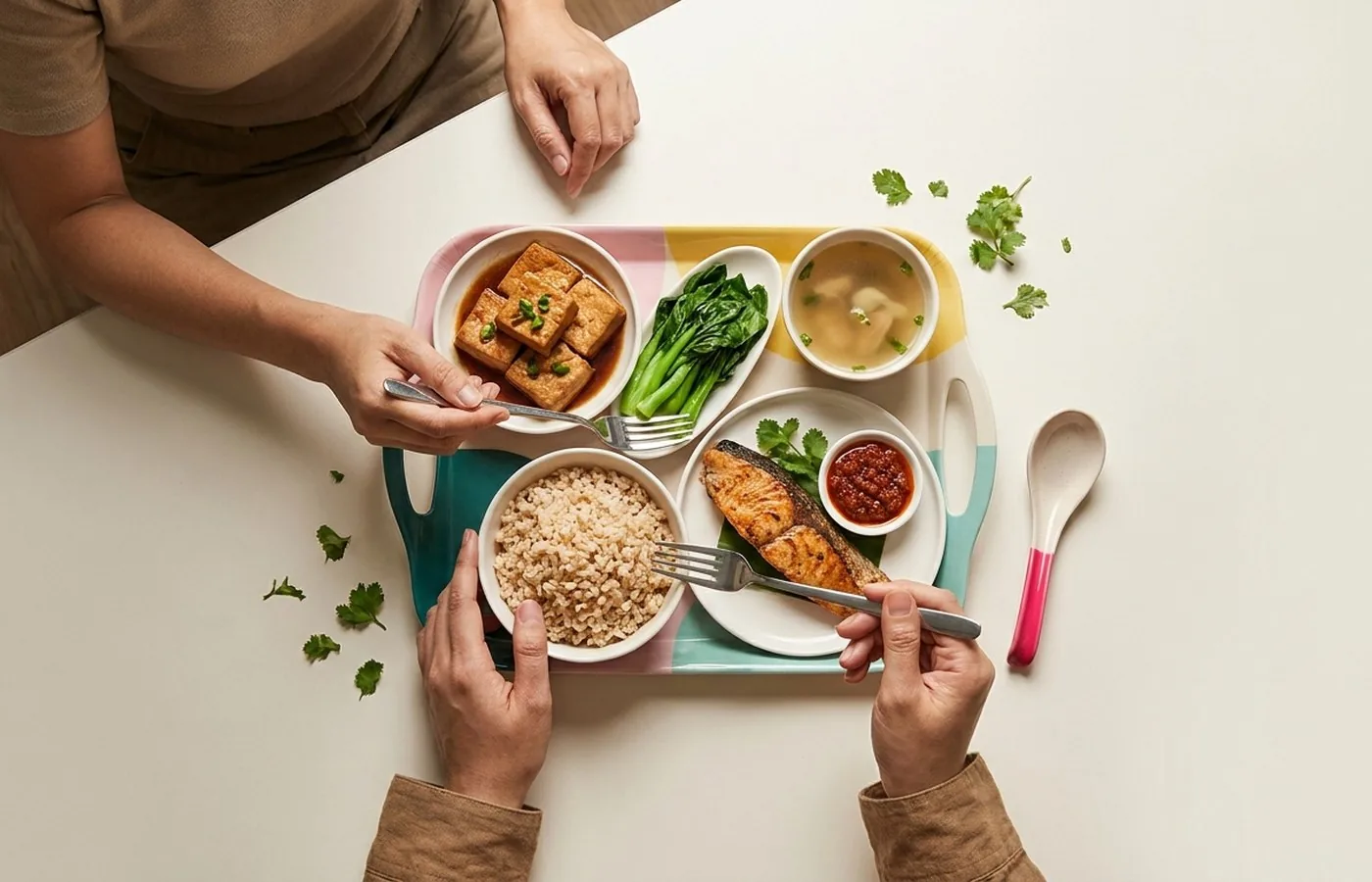
Most food pairing advice is just tradition dressed up as science. But a handful of combinations genuinely do more together than either food manages alone, whether that's better nutrient absorption, steadier blood sugar, or simply staying full for longer. Here are the pairings worth knowing.
Key points
- Some nutrients absorb better when eaten alongside a specific partner food, like iron and vitamin C.
- Pairing carbs with protein or fibre helps blunt blood sugar spikes and improves fullness.
- Fat-soluble vitamins need some fat present to be absorbed properly.
- You don't need to overthink every meal. A handful of pairings cover most of the benefit.
Why some food pairings matter
Nutrition isn't just about what's in a single food. It's also about how your body absorbs and uses what you eat, and that process can depend heavily on what else is on the plate at the same time. A few classic pairings hold up well under research, even if a lot of other "eat these together" advice is closer to folklore.
The good news is you don't need a complicated system to benefit from this. Most of it comes down to a handful of simple combinations you can build into meals you already eat, without turning dinner into a chemistry project. If your meals feel disorganised in general, the Balanced Meal Builder is a good starting point before fine-tuning specific pairings.
It's worth saying upfront that none of these pairings are essential for survival. You won't become deficient in anything because one dinner lacked a perfect pairing. Think of them as small, low-effort upgrades you can make when it's easy to, not a strict checklist you need to tick off at every single meal.
Pairings that are worth knowing
- Iron-rich foods with vitamin C: spinach or lentils with citrus, tomato, or capsicum helps your body absorb plant-based iron much more efficiently.
- Fat-soluble vitamins with a bit of fat: vitamins A, D, E, and K need some dietary fat present to be absorbed, so a salad with olive oil-based dressing beats one with none at all.
- Carbs with protein or fibre: rice or noodles alongside protein and vegetables slows the blood sugar rise compared with eating the carb alone.
- Turmeric with black pepper: piperine in black pepper can boost how much curcumin from turmeric your body absorbs.
- Garlic or onion with healthy fats: some of their beneficial compounds are better absorbed alongside a bit of oil, which is convenient since that's usually how they're cooked anyway.
None of these need to be followed rigidly at every meal. They're useful defaults, not strict rules, and most people are already doing several of them without realising it.
Use this as a starting point, then adjust for your body, conditions and professional advice. A plan is useful only when it responds to you.
Pairings worth being a little skeptical of
Not every pairing claim holds up. Some popular advice, like never eating fruit with meals or avoiding certain food combinations because they supposedly "ferment" badly together, isn't well supported by how digestion works. It's worth being a bit skeptical of pairing rules that sound more like folklore than actual nutrition science, especially ones that ask you to avoid perfectly normal combinations out of vague fear.
If you eat out often and want a practical version of "pairing done right," our hawker-centre guide shows how to build a plate that naturally covers protein, carbs, and vegetables together, which does most of the pairing work without you needing to memorise a list.
A good rule of thumb: if a pairing claim tells you to avoid a perfectly normal, widely eaten combination of foods entirely, treat it with some suspicion. Real nutrition science tends to be about small, useful nudges, not dramatic bans on foods people have safely eaten together for generations.
It's also worth noticing when a pairing rule comes from a supplement seller or a fad diet book rather than a source with no product to sell you. That single detail is often the fastest way to tell a genuinely useful pairing apart from one built mostly to sell you a new eating philosophy.
How these food pairings help you get more from your meals
You don't need to overhaul every plate to benefit from good pairings. Adding a squeeze of lime to an iron-rich meal, using a bit of oil in your salad dressing, and building carbs alongside protein and vegetables covers most of what matters here. The rest is mostly small extra credit, worth knowing but not worth stressing over.
For more everyday food coverage like this, built around what genuinely helps rather than what sounds clever online, the food hub is where we keep adding pieces like this one.
More on this topic from the archive: Why Tomatoes Might Be Even Healthier With a Little Olive Oil.
This article provides general education and is not a diagnosis or a substitute for personalised medical care. Stop exercise and seek appropriate help for severe, sudden or concerning symptoms.
Food Pairings That Genuinely Work Better Together: questions answered
Does eating iron-rich food with vitamin C really make a difference?
+
Yes, vitamin C can significantly improve how well your body absorbs plant-based (non-heme) iron.
Do I need fat to absorb vitamins from a salad?
+
Some vitamins, like A, D, E, and K, need a bit of dietary fat present to be absorbed properly, so a fat-free dressing isn't ideal.
Is it true you shouldn't eat fruit with meals?
+
There's no solid evidence behind that claim. Fruit with meals is fine for most people.