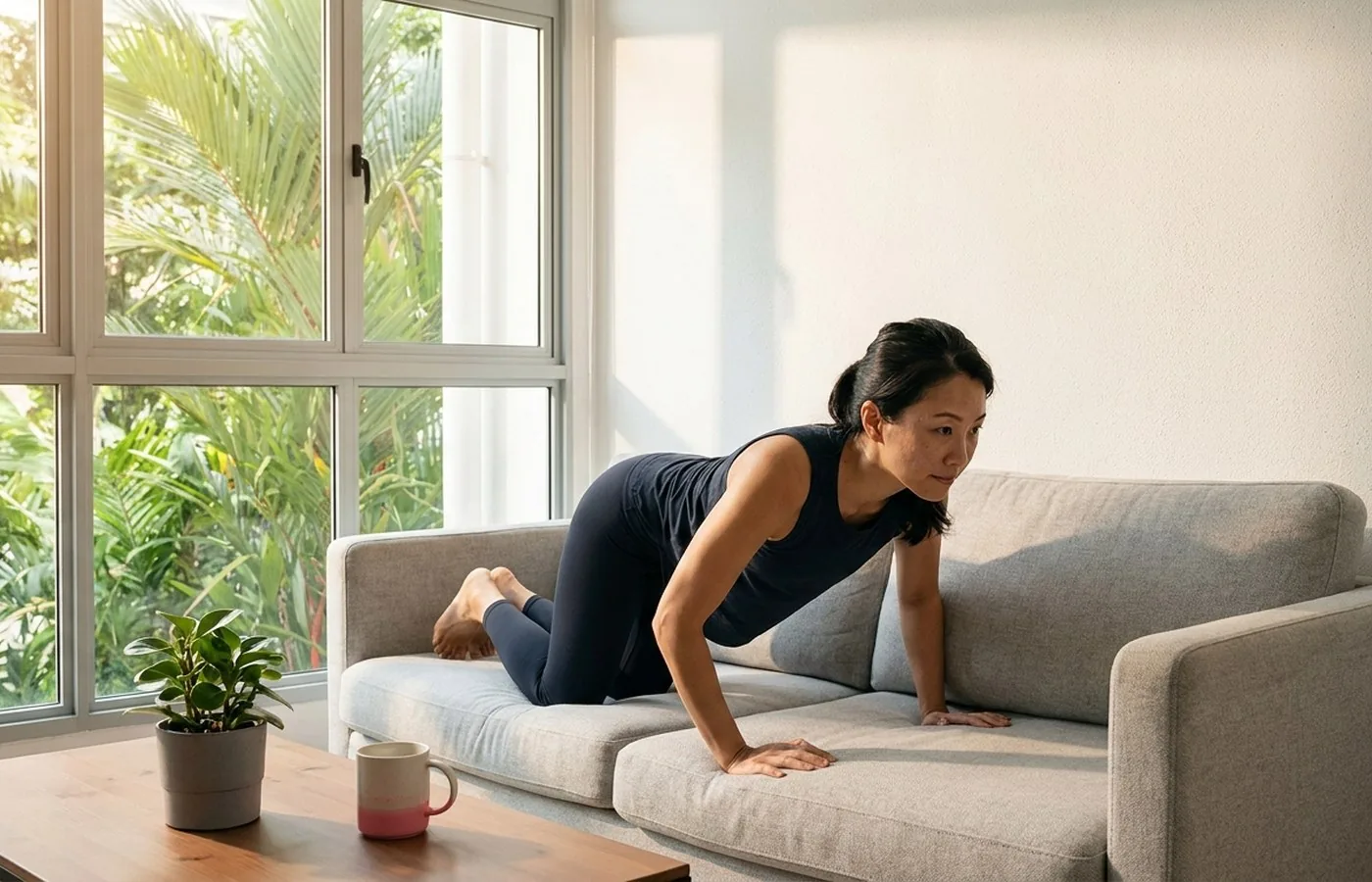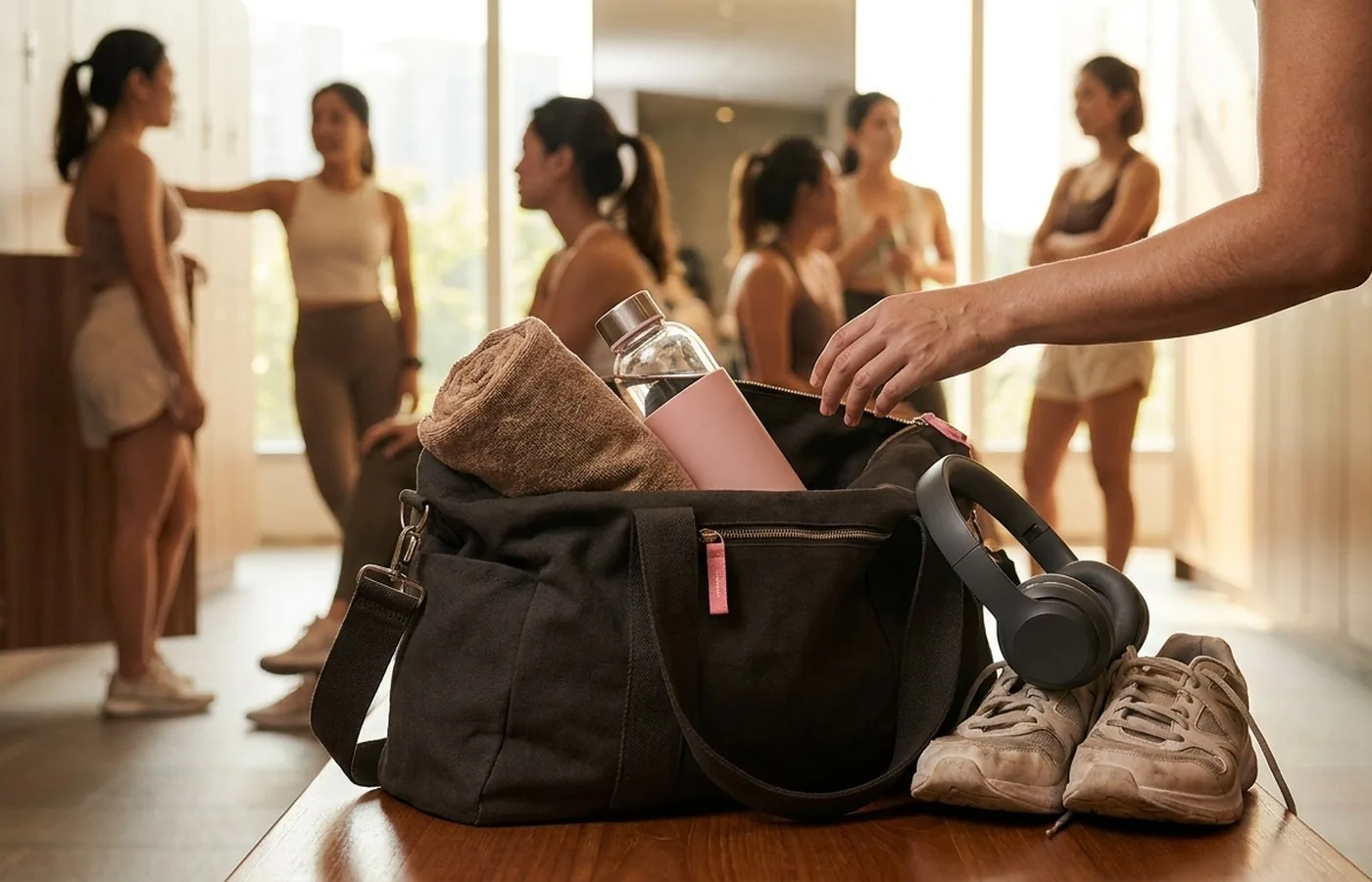
Sportswear brands, including Under Armour, have sold face masks aimed at athletes for years, usually pitched around breathing training, cold-weather protection, or filtering haze and dust during outdoor workouts. Before buying one, it helps to know what these masks are built to do, since the marketing around them tends to outrun the research behind them.
Key points
- Training masks are usually designed around one of three goals: breath training, cold-air protection, or filtering outdoor pollutants.
- Evidence that masks improve lung capacity or endurance on their own is thin at best.
- A mask can still be genuinely useful for cold weather or hazy-day outdoor workouts.
- Fit, breathability, and ease of cleaning matter more than any bold claim on the box.
What a sports training mask like this is designed to do
Most training masks, including well-known models from big sportswear brands, use adjustable vents or resistance valves that make you work a little harder to pull air in and out. The pitch is usually that this trains your breathing muscles and prepares your lungs for tougher conditions, similar to how altitude training is marketed. Some versions are built more for warmth in cold air, and others focus on filtering dust, haze, or pollen during outdoor training.
It helps to separate the mask's actual mechanism from the story attached to it. A resistance valve genuinely makes breathing feel harder. Whether that specific kind of harder breathing translates into meaningfully better fitness is a separate question, and one the research has not settled clearly in the mask's favour.
These masks became popular partly through athlete endorsements, showing up in training montages and gym photos long before most buyers had read anything about the mechanism behind them. That visibility is part of why so many people assume a mask must be doing more than it is, simply because it looks serious and shows up everywhere in fitness content.
The claims worth questioning
Breath-training masks are often compared to altitude training, but they are not the same thing. Altitude training reduces the amount of oxygen available in the air you breathe. A resistance mask does not change oxygen levels at all. It just makes moving air through your mouth and nose more effortful, which mostly trains the muscles used for breathing rather than replicating a true altitude effect.
That does not make the mask useless. Stronger breathing muscles can help some people feel less winded during hard efforts. It just means you should not expect the dramatic endurance jump that some marketing implies. If your actual goal is better cardio fitness, time spent on structured cardio sessions will usually do more than a mask alone. Our zone 2 cardio guide is a solid place to start building that base properly.
Use this as a starting point, then adjust for your body, conditions and professional advice. A plan is useful only when it responds to you.
What to check before buying one
If you are considering a training or protective mask for outdoor workouts, a few practical things matter more than the brand name on the front.
- Fit around the nose and chin, so it does not slip during a hard session.
- Breathability at rest, so you are not fighting for air on an easy warm-up.
- How easily it can be washed, since a sweaty mask worn for outdoor runs needs regular cleaning.
- Whether it is meant for training resistance, warmth, or filtering haze, since those are genuinely different jobs.
Outdoor exercise in Singapore already comes with its own heat challenge, and a poorly fitted mask can make hot, humid runs feel worse rather than safer. Our guide to running in Singapore heat covers the basics of training safely in these conditions, mask or no mask.
It also helps to think honestly about how often you will wear it. A mask that sits in a drawer after two sweaty runs is not saving you anything, no matter how well reviewed it was online. Buying one because a training partner has one is rarely a good enough reason by itself.
Do you need a training mask for your workouts
For most people training for general fitness, a mask like this is optional, not essential. If a haze advisory is in effect and you insist on training outdoors, a properly rated mask can matter for air quality reasons. If you simply enjoy the extra breathing challenge and it does not leave you gasping in an unsafe way, there is nothing wrong with using one as an extra layer of difficulty.
What it will not do is replace consistent cardio training, good programming, or basic outdoor safety sense. If you are building your training week and deciding where accessories like this fit, the Workout Builder can help you plan the sessions themselves first. More gear-and-training guides like this one are collected on the fitness hub.
A sports mask is a tool, not a shortcut. Know which job you are buying it for before it goes in your gym bag.
This article provides general education and is not a diagnosis or a substitute for personalised medical care. Stop exercise and seek appropriate help for severe, sudden or concerning symptoms.
Training Face Masks Like the Under Armour Sportsmask: What They Are For: questions answered
Do training masks really improve lung capacity?
+
Evidence is limited. They mainly train the muscles used for breathing rather than increasing lung volume.
Are these masks the same as altitude training?
+
No. Altitude training reduces the oxygen in the air, while a resistance mask just makes breathing feel harder.
Can I wear a training mask on a hazy day outdoors?
+
Some masks are built for filtering, but check the rating carefully; a plain breath-training mask is not the same as a proper filtering mask.