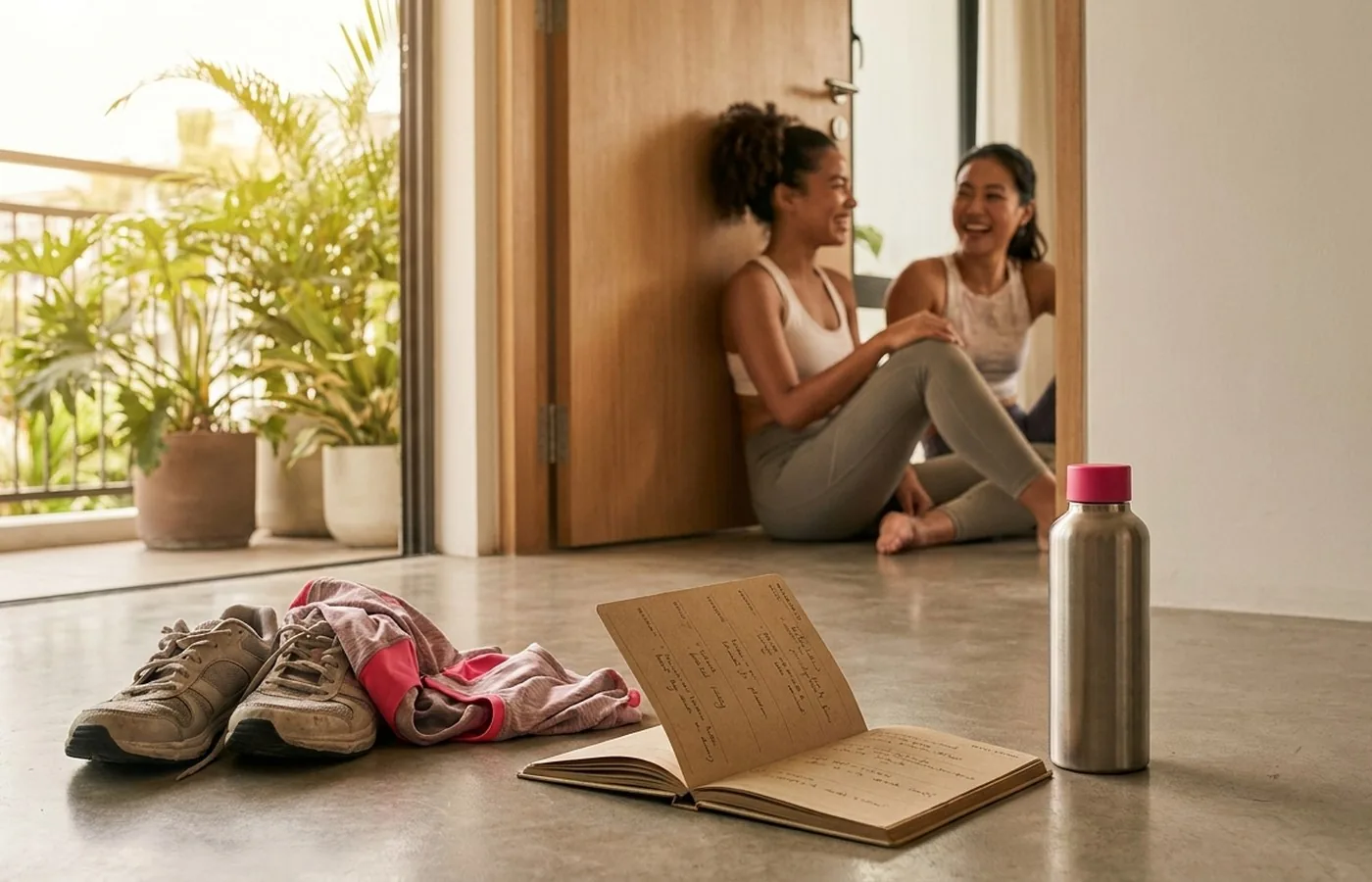
Liv Lo is known in Singapore as a yoga teacher and the founder of Fitsphere, a wellness studio built around movement and community classes. Rather than treat this as a verified interview or a rundown of specific personal facts, it is more useful to reflect on the theme her story represents: what happens when a personal wellness practice grows into something shared with other people.
Key points
- Turning a personal wellness habit into something for others usually means rebuilding it around structure and consistency.
- A studio or class community can make it easier for everyday people to sustain a movement practice.
- The shift from private practice to shared space is less about talent and more about consistency and care.
- This theme applies to anyone thinking about sharing their own fitness routine with others, not just studio founders.
From a private practice to something built for others
Many people who stay deeply consistent with a movement practice, whether that is yoga, running, or strength training, eventually reach a point where they want to share it. Figures like Liv Lo, known for founding a studio like Fitsphere, represent this shift well as a public example, though this piece is a reflection on that broader theme rather than a verified account of any specific personal or business history.
The theme itself is worth sitting with: a personal habit that once existed for one person's own benefit can, with enough structure, become something that helps a whole community stay active. That shift says something honest about what consistent movement can eventually build.
It is a theme that shows up well beyond fitness too, in anyone who turns a private hobby, a cooking habit, or a personal creative practice into something they eventually teach or share with others. The specific practice changes, but the underlying arc, from private routine to shared structure, tends to look remarkably similar.
What it takes to turn a personal habit into a shared one
Sharing a practice with others is not simply about being good at the activity itself. It usually requires building repeatable structure: regular class times, a format beginners can follow, and enough consistency that people can rely on showing up and knowing what to expect. That structure is often the harder, less visible part compared to the practice itself.
This mirrors what our guide to building a fitness habit covers about consistency mattering more than talent or motivation. Anyone thinking about leading a class, a walking group, or even just a regular workout session for friends is really working through a smaller version of this same challenge.
It also requires a shift in mindset from doing the practice for yourself to designing it for someone else's first experience of it. What feels natural after years of personal practice often needs to be slowed down, explained, and broken into steps for a total beginner, which is its own separate skill worth respecting.
Use this as a starting point, then adjust for your body, conditions and professional advice. A plan is useful only when it responds to you.
Why community matters so much in a movement practice
A shared space for movement, whether a studio, a class, or an informal group, often helps people stay consistent in a way solo practice struggles to match. Showing up matters more when others expect you there, and progress feels less lonely when it is witnessed by people working through similar challenges alongside you.
This is part of why studios and classes built around a founder's personal practice, in the way Fitsphere is associated with Liv Lo publicly, tend to resonate. They offer structure and community to people who might otherwise struggle to sustain a practice entirely on their own. If accountability has been your missing piece, the Habit Planner can help you build something similar into your own routine, even without founding a studio.
Even an informal version of this counts. A small group chat that checks in about workouts, a regular walking date with a neighbour, or a recurring class booked with a friend all borrow the same principle: movement tends to survive longer when someone else is quietly counting on you to show up too.
What this theme means for your own fitness journey
You do not need to found a studio to take something from this. The bigger lesson is that consistency, structure, and a willingness to share what you have learned can turn a private habit into something that helps other people too, whether that is leading a friend's first workout or simply being the person in your office who suggests the lunchtime walk.
If stress or a demanding routine is part of why building any kind of movement habit feels hard right now, our guide to movement for stress is a good place to start. For more reflections and practical guides on building a sustainable fitness life, the fitness hub has plenty more worth exploring.
What is the practical takeaway from this reflection?
That consistency and structure matter more than talent when turning any personal habit into something you share with others.
More on this topic from the archive: Can Essential Oils Really Make a Difference in Your Yoga Practice? and How to Practice a Handstand Without Hurting Yourself.
This article provides general education and is not a diagnosis or a substitute for personalised medical care. Stop exercise and seek appropriate help for severe, sudden or concerning symptoms.
Liv Lo, Fitsphere, and the Idea of Turning a Personal Practice Into a Community: questions answered
Is this a verified account of Liv Lo's personal history?
+
No. This is a general reflection on the theme her public studio work represents, not a confirmed biography or interview.
What is Fitsphere generally known as?
+
It is publicly known as a Singapore wellness studio associated with Liv Lo, built around movement and community classes.