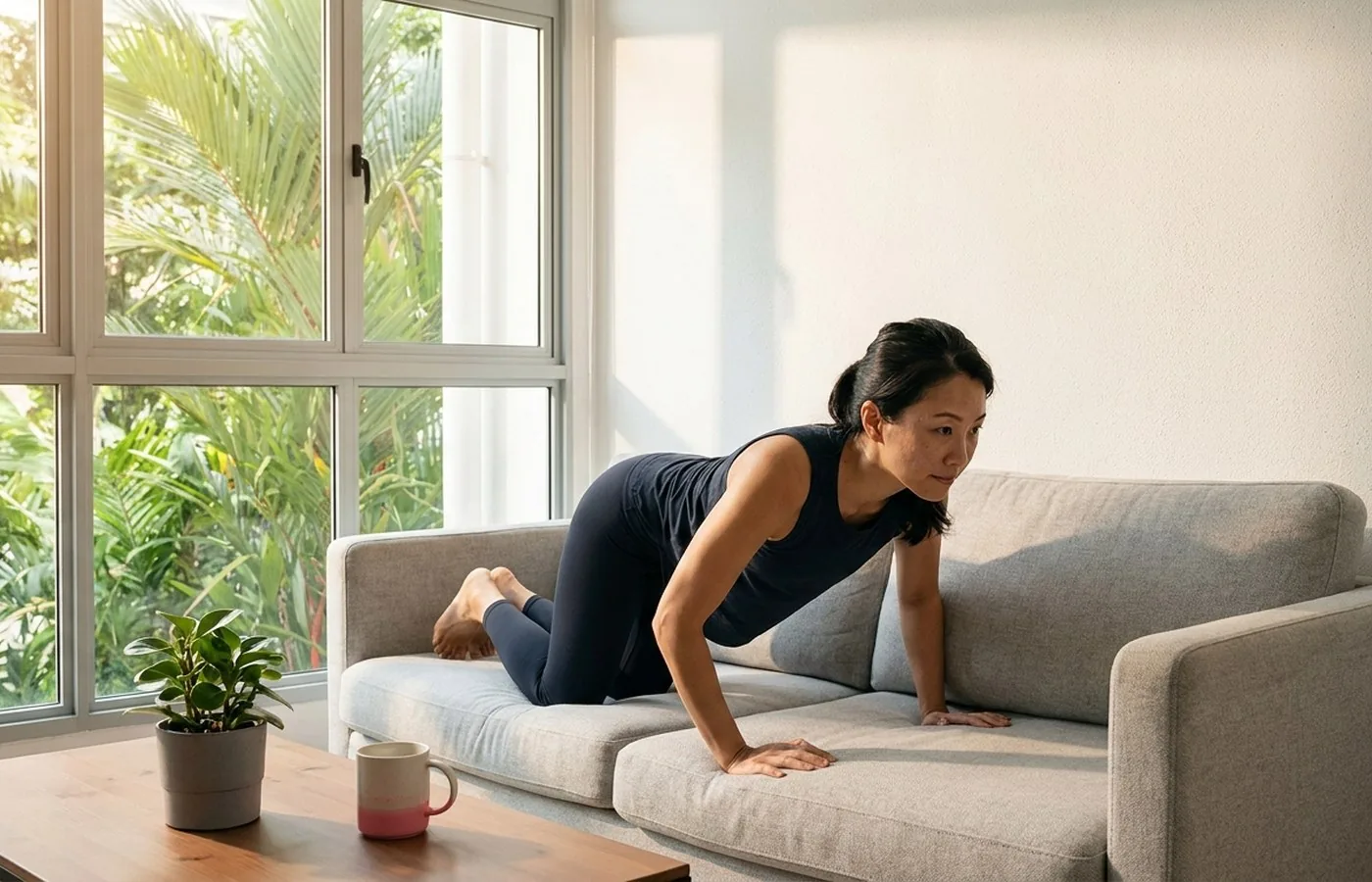
Partner yoga looks a bit silly the first time you try it, which is honestly part of the appeal. It forces you to communicate clearly, trust someone else's balance, and laugh when a pose collapses halfway through. Here are seven poses worth trying together, along with what makes partner yoga work as a shared habit rather than a one-off gimmick.
Key points
- Partner yoga builds communication skills, since poses only work if you talk through what you both need.
- Start with simpler, seated poses before attempting anything that requires real trust or balance.
- Flexibility gains come from consistency, not from forcing a deep stretch in one session.
- Laughing through a failed pose is normal and is part of what makes this format enjoyable.
Why partner yoga is worth trying, even if you are not flexible
Partner yoga is often marketed around trust and romance, but the more practical benefit is simpler: it makes stretching, which most people avoid doing alone, into something you will schedule and show up for. Having someone else counting on you to be there does for stretching what it does for any other shared workout.
It also demands a kind of communication that regular conversation does not always require. You have to say clearly "a little more pressure here" or "that's too much, ease off," which is a small, low-stakes way to practise being direct with each other. If body confidence around a partner has been a hurdle, our body-neutral fitness guide is worth reading before you try more physically close activities like this.
Seven partner yoga poses to start with
- Seated back-to-back breathing: Sit back to back with legs crossed and simply match your breathing to each other for a minute. A gentle way to start any session.
- Double forward fold: Sit facing each other with legs wide, hold hands, and take turns gently leaning back while the other folds forward.
- Partner twist: Sit back to back, cross arms, and gently rotate together in one direction, then the other.
- Supported tree pose: Stand side by side, link arms, and each balance on one leg using the other person's arm for stability.
- Double downward dog: One person holds a standard downward dog while the other places their hands on the ground and rests their feet gently on the first person's lower back.
- Seated cat-cow with hand contact: Sit cross-legged facing each other, hold hands, and move through cat and cow together, matching the arch and round of your spines.
- Partner boat pose: Sit facing each other holding hands or forearms, lift your feet, and balance together in a shared V shape.
Start with the first three before attempting anything involving real weight-bearing or balance, like the tree pose or double downward dog. Rushing straight to the harder poses is the fastest way to end a session in frustration instead of laughter.
Use this as a starting point, then adjust for your body, conditions and professional advice. A plan is useful only when it responds to you.
Making partner yoga a session you both enjoy
The poses will fall apart sometimes. That is normal and, honestly, part of the fun rather than a sign you are doing it wrong. Treat the wobbles and collapses as the entertaining part rather than a failure to fix. People who go in expecting a polished, Instagram-ready session tend to enjoy it far less than people who go in expecting to laugh a few times.
Keep sessions short at first, maybe 15 to 20 minutes, so it stays something you both look forward to rather than a chore. If you want to build more structure around it later, or add a stretching routine on your own days too, our guide to desk posture and mobility covers a lot of the same tight spots this kind of session addresses.
Talk through what feels good and what does not as you go. This is not a competition to hold the deepest stretch. It is a shared activity where the point is connection and a bit of flexibility, in roughly that order.
What partner yoga can really do for flexibility and your relationship
On the flexibility side, expect gradual improvement with regular practice, not a dramatic transformation after one session. Consistency, done gently, beats forcing a deep stretch once a month. On the relationship side, expect a fun, slightly silly shared activity that builds a bit of trust and communication practice, not a cure for deeper relationship issues that need their own attention.
If you enjoy this format, it pairs nicely with other shared movement too, like a weekend walk or a joint strength session. For more restored guides on training and moving together, the fitness hub has related content worth exploring.
Seven poses is plenty to start with. Pick two or three that feel approachable, laugh through the wobbly parts, and let the flexibility and the connection both build slowly over time.
What if a pose keeps collapsing?
That is completely normal, especially early on. Treat it as part of the fun rather than a failure and try a simpler variation.
More on this topic from the archive: 5 Standing Yoga Poses That Build Better Balance, Yoga Poses for a Stiff Back and Tight Shoulders and What Makes Yoga Leggings Comfortable to Move In.
This article provides general education and is not a diagnosis or a substitute for personalised medical care. Stop exercise and seek appropriate help for severe, sudden or concerning symptoms.
7 Fun Partner Yoga Poses to Improve Flexibility and Your Relationship: questions answered
Do we need yoga experience to try partner yoga?
+
No. Start with the simpler seated poses and build up gradually as you both get more comfortable with balance and trust.
How often should we do partner yoga?
+
Once or twice a week is a reasonable starting point, kept to short sessions so it stays enjoyable rather than a chore.