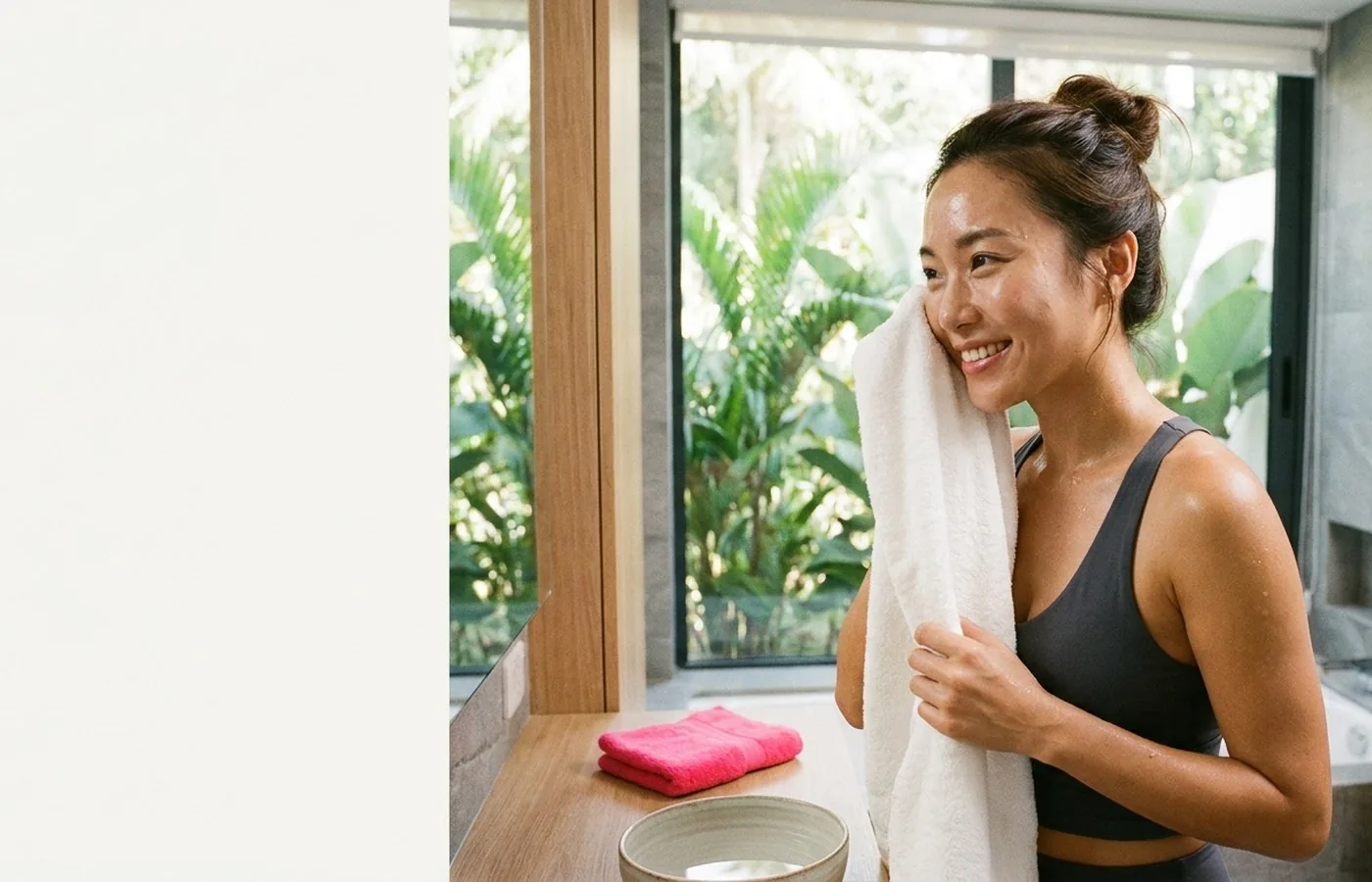
Somewhere along the way, "getting your body back" became the only conversation new mothers were allowed to have about fitness. That framing leaves out a lot: strength, energy, sleep, and just feeling like yourself again after months of enormous physical and emotional change. Feeling like a "hot mama" has a lot less to do with a scale number than most headlines suggest.
Key points
- Postpartum recovery timelines vary enormously — there is no fixed schedule to compare yourself against.
- Strength, energy, and confidence tend to matter more day-to-day than any single measurement.
- Clearance from your doctor before returning to structured exercise matters more than any workout plan.
- Small, repeatable habits fit new motherhood far better than an intense all-or-nothing programme.
Why "getting your body back" is the wrong goal to chase
Your body did not go anywhere. It carried, birthed, and is possibly still feeding another human being, which is an enormous physical undertaking that leaves lasting, completely normal changes. Chasing an exact pre-pregnancy body, on a fixed timeline, tends to create pressure that has nothing to do with actual health or how capable you feel.
A more useful goal is feeling strong enough to carry a growing toddler, energised enough to get through the day, and comfortable enough in your own skin to stop measuring yourself against old photos. Our body-neutral fitness guide covers this shift in more depth if the "bounce back" language has been weighing on you.
It also helps to remember that recovery timelines vary enormously between individuals, pregnancies, and delivery types. Comparing your own week six to someone else's on social media rarely tells you anything useful, and it often adds pressure that has nothing to do with how your own body is healing.
What helps you feel strong and confident again
Once you have medical clearance to return to exercise, gentle, progressive strength work tends to do more for how you feel day-to-day than cardio alone. Rebuilding core and pelvic floor strength specifically supports posture, back comfort, and general capability through the demands of caring for a baby.
Sleep, unsurprisingly, plays an enormous role here too, even though it is often in short supply. Our sleep and recovery guide covers how to get the most out of the rest you do have, since perfect sleep is rarely realistic in the newborn stage.
Nutrition matters just as much during this stretch, particularly if you are breastfeeding, since your body is supporting recovery and feeding at the same time. This is not the season for a restrictive diet; it is a season for steady, protein-rich meals that support energy rather than cut it further.
Use this as a starting point, then adjust for your body, conditions and professional advice. A plan is useful only when it responds to you.
Making it fit an actual newborn schedule
An hour-long gym session most days is not realistic for a lot of new mothers, and it does not need to be. Short, repeatable movement — a stroller walk, ten minutes of bodyweight strength while the baby naps, a stretch before bed — tends to build consistency far better than an intense plan that gets abandoned after two exhausting weeks.
Getting outside with the baby also does double duty for mood and movement at once. Our active-weekend guide has ideas for gentle outdoor activity that work well with a stroller or a baby carrier in tow.
Some days the only realistic movement is a slow walk around the block, and that is genuinely enough. The goal in this stage is staying connected to movement at all, in whatever small dose fits, rather than holding yourself to a pre-baby standard that does not match your current reality.
What "being a hot mama" really means, on your own terms
Feeling confident and strong after having a baby is not about arriving at a specific look by a specific date. It is closer to a slow return of energy, strength, and a sense of being at home in your own body again, at whatever pace your particular recovery allows.
If you want a wider view of wellbeing during this stage that goes beyond exercise alone, the lifestyle hub covers sleep, mindset, and daily routine changes that tend to matter just as much as any workout. Feeling like yourself again, strong and steady, is a much better goal than chasing a number, and it is one you can reach.
Give yourself the same patience you would give a friend in the same stage. Strength comes back. Energy comes back. Confidence comes back too, usually well before your body looks exactly like it did before, and that order of events is completely normal.
Do I need an intense workout plan to feel confident again?
No. Short, consistent movement tends to build both strength and confidence better than an intense plan you cannot sustain.
Is it normal for my body to look different long-term?
Yes, completely. Pregnancy and childbirth cause lasting changes for most women, and that is a normal outcome, not a problem to fix.
More on this topic from the archive: How to Practice a Handstand Without Hurting Yourself, How to Build Your Own Salmon Poke Bowl at Home and What Pore-Clearing Products Like CAOLION's Hot and Cool Packs Do.
This article provides general education and is not a diagnosis or a substitute for personalised medical care. Stop exercise and seek appropriate help for severe, sudden or concerning symptoms.
How to Feel Like a "Hot Mama" Again — On Your Own Terms: questions answered
When can I start exercising after having a baby?
+
This varies by delivery type and recovery, so always get clearance from your doctor before returning to structured exercise.