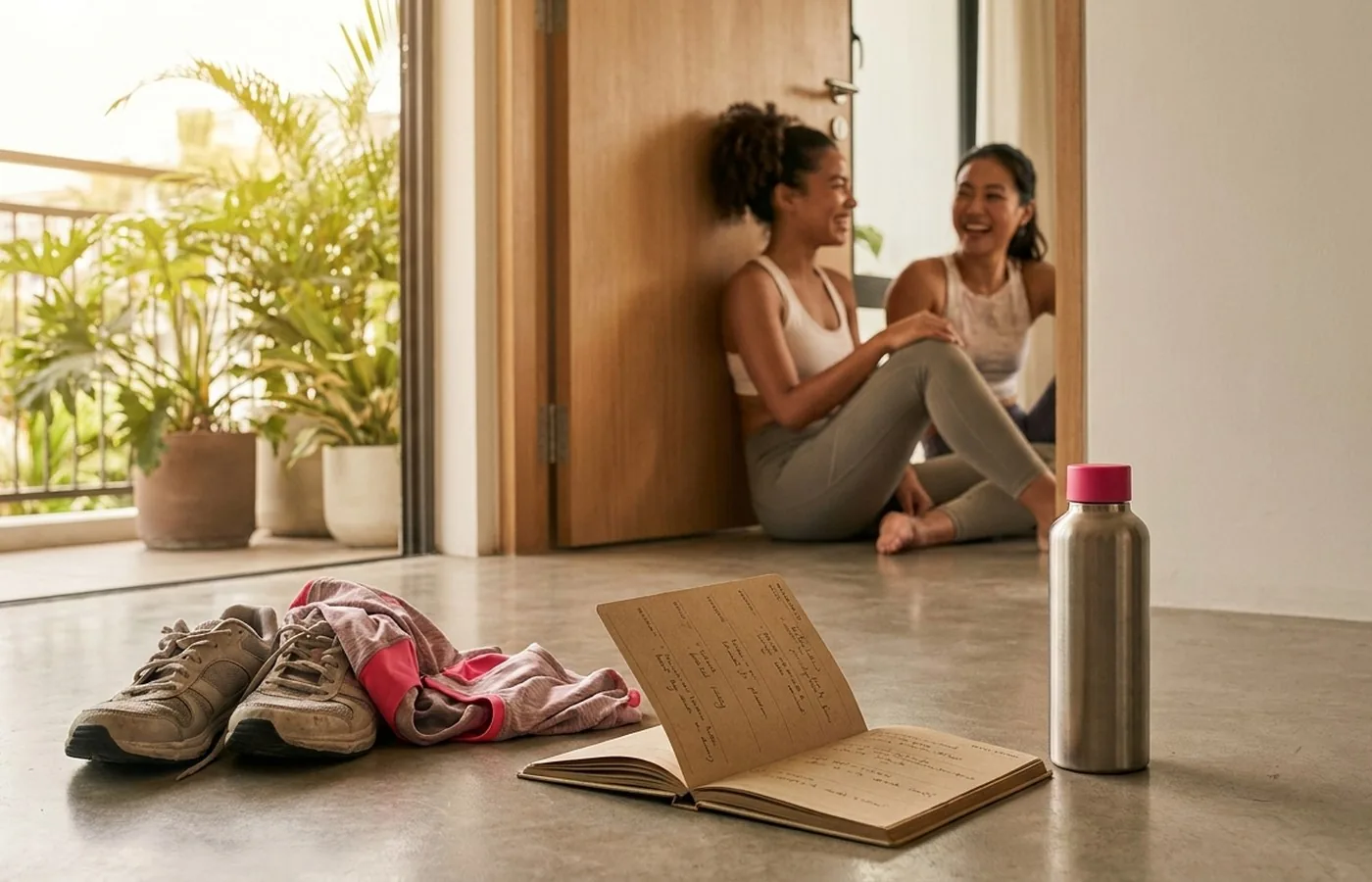
A lot of happiness advice aims at big, dramatic changes: quit the job, move overseas, find the one relationship that fixes everything. Real, sustained happiness usually looks a lot smaller and a lot more boring than that. It tends to come from small, repeated moments rather than rare huge ones, which is good news, because small things are far easier to build into an ordinary week.
Key points
- Happiness responds more to small, repeated positive moments than to rare big ones.
- Social connection and movement are two of the most reliable levers most people underuse.
- Specific gratitude works better than vague gratitude.
- You don't need to overhaul your life to feel noticeably better within a few weeks.
Why chasing 'big' happiness moments usually backfires
Big life events, a promotion, a wedding, a long-awaited holiday, do genuinely feel great in the moment. The problem is how quickly people adapt back to their normal baseline afterward, a pattern researchers often call hedonic adaptation. That's why the excitement of a new job or a big purchase tends to fade within weeks or months, leaving people chasing the next big thing to recapture the feeling.
Smaller, repeated positive moments don't hit as hard in the moment, but they add up differently over time precisely because they happen more often. A short walk with a friend, a good meal cooked at home, or ten quiet minutes with a book won't feel life-changing individually, but stacked across weeks and months, they tend to matter more than most people expect.
If stress is crowding out room for any of this in your week, the mind hub has more on managing that pressure day to day.
The small habits that move the needle
- Spending time with people who make you feel at ease, even briefly, rather than only big planned gatherings.
- Moving your body in some way most days, even a short walk, which reliably affects mood.
- Naming something specific you're grateful for, rather than a vague "I'm grateful for everything."
- Getting outside in daylight, especially earlier in the day.
- Doing one small thing for someone else, since helping others tends to lift your own mood too.
- Protecting a bit of unstructured time instead of filling every hour of the day.
None of these are new ideas, and that's exactly the point. The habits that work for most people tend to be plain and repeatable, not dramatic or exciting to talk about at a dinner party.
Use this as a starting point, then adjust for your body, conditions and professional advice. A plan is useful only when it responds to you.
How to build these in without turning happiness into a project
The fastest way to kill a good habit is to turn it into another item on a to-do list you feel guilty about missing. Instead of trying to add all six of the habits above at once, pick one that's currently missing from your week and build it in gently. If movement is the gap, our guide to using movement for stress is a useful starting point, since it treats activity as a mood tool rather than a fitness obligation.
Attach the new habit to something you already do, rather than creating a brand new slot in your day. A gratitude note while your coffee brews, a short walk right after you finish work, or a quick message to a friend during your commute all work better than a habit that needs its own separate block of time you don't have.
Give any new habit two to three weeks before deciding whether it's making a real difference. Mood shifts from small daily habits are usually gradual, not immediate.
Making 'things that make you happy' a repeatable habit, not a one-off
The goal isn't to schedule a single perfect happy day. It's to build a week that includes a handful of small, reliable moments spread throughout it. That's a much steadier source of wellbeing than waiting for the next big milestone to feel good again.
If building any kind of new routine tends to fall apart for you after a week or two, our guide to building a lasting habit covers the same principles that apply here. For more restored lifestyle content like this, the lifestyle hub is where older SHAPE wellbeing pages are being rebuilt.
Small, boring, repeatable things are, somewhat annoyingly, usually the actual answer. Once a few of them are woven into an ordinary week, happiness starts to feel less like something you're waiting for and more like something already there most days.
Does helping others really improve your own mood?
For a lot of people, yes. Small acts of kindness are one of the more reliable, low-effort mood boosts studied in wellbeing research.
More on this topic from the archive: Beauty Habits That Make a Difference Over Time.
This article provides general education and is not a diagnosis or a substitute for personalised medical care. Stop exercise and seek appropriate help for severe, sudden or concerning symptoms.
Small Things That Reliably Make People Happier: questions answered
Is it bad to want big life changes for happiness too?
+
Not at all. Big changes can genuinely add to your life, but they tend to matter more when they're built on top of steady small habits, not instead of them.
How long before small happiness habits start to feel noticeable?
+
Give any new habit two to three weeks of consistency before judging whether it's making a real difference.