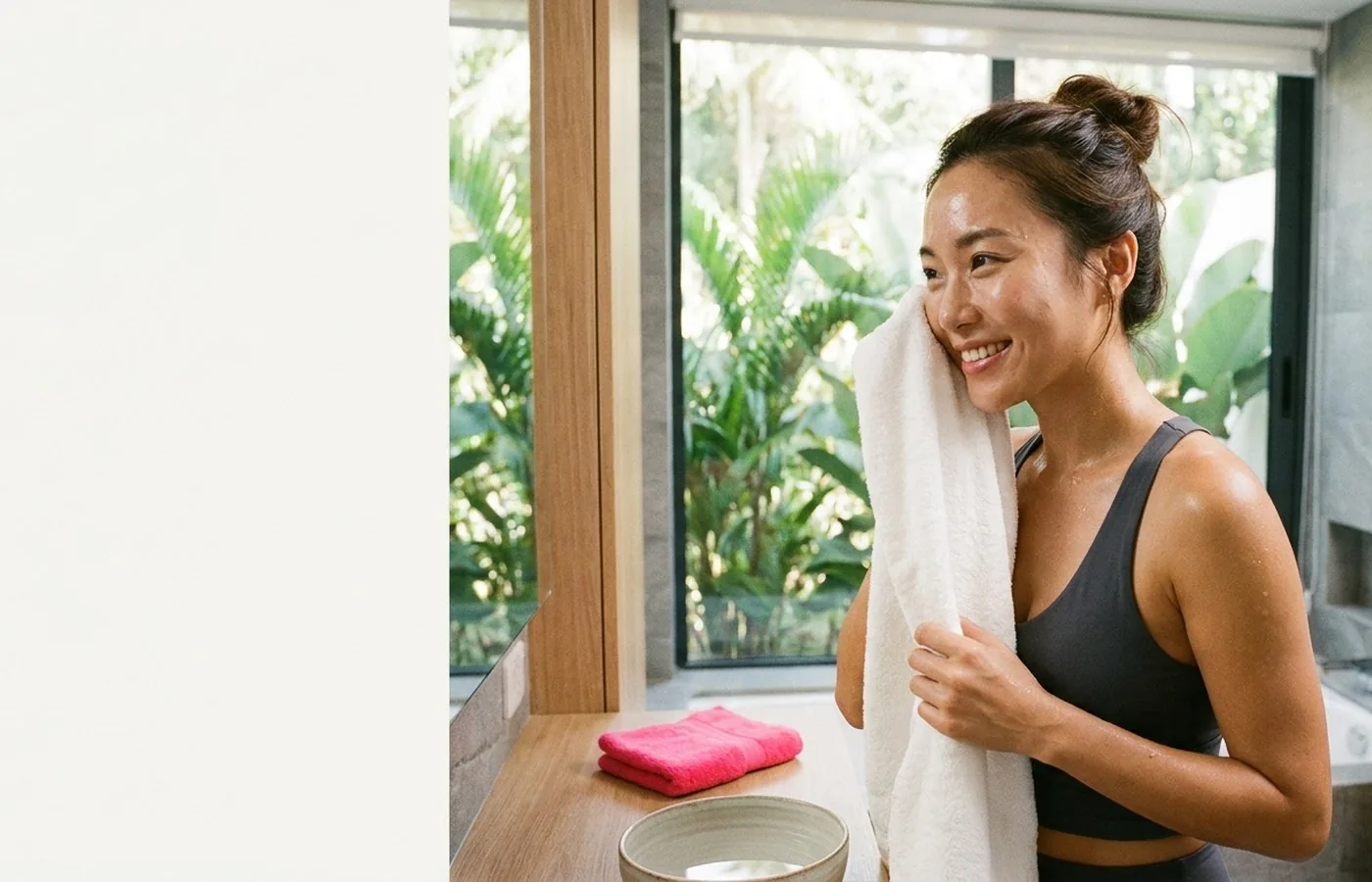
Acne advice online tends to treat every bump the same way, as if one cleanser or one serum could fix a blackhead, a painful pimple, and a hormonal jaw breakout all at once. It cannot. Acne shows up in a few distinct forms, and the treatment that clears one form can do almost nothing for another. Knowing which kind you are dealing with is the real first step, long before you buy anything new.
Key points
- Acne is not one condition. Blackheads, whiteheads, inflamed pimples, and deep cysts each respond to different treatments.
- Salicylic acid and gentle exfoliation help clogged pores more than they help deep, painful bumps.
- Cystic or hormonal acne along the jaw and chin usually needs a proper medical plan, not just a new cleanser.
- Sticking with one routine for six to eight weeks matters more than switching products every time a new spot shows up.
Why 'acne' covers several different problems
Comedonal acne is the mildest and most common form, showing up as blackheads and whiteheads when oil and dead skin cells clog a pore. Inflammatory acne is the next step up: red, sore pimples and pustules that form when bacteria get involved and the body's immune response kicks in around the clogged pore. Cystic and nodular acne sit under the skin as large, painful lumps that rarely come to a head on their own, and they are far more likely to leave scarring behind.
Hormonal acne deserves its own mention, since it behaves differently from the rest. It tends to cluster along the jaw, chin, and lower cheeks, flares around the menstrual cycle for many women, and often resists the over-the-counter products that work fine on a forehead breakout. Treating hormonal acne like ordinary teenage acne is one of the more common reasons people feel stuck despite trying everything on the shelf.
Getting the type right changes everything that follows. A gentle exfoliating acid can clear a cluster of blackheads within a few weeks, while that same product barely touches a deep cystic bump that needs a different approach entirely. If skin irritation flares up around workouts specifically, our guide to sweat and skincare covers a related but slightly different problem worth ruling out first.
Matching the right treatment to your type of acne
| Type of acne | What it looks like | What tends to help |
|---|---|---|
| Comedonal (blackheads, whiteheads) | Small, flesh-toned or dark bumps, usually not painful | Salicylic acid, gentle daily exfoliation, non-clogging moisturiser |
| Inflammatory (papules, pustules) | Red, raised, sometimes with a visible white centre | Benzoyl peroxide, consistent gentle cleansing, avoiding picking |
| Cystic or nodular | Large, firm, painful lumps under the skin | Prescription treatment from a doctor, often oral medication |
| Hormonal (jawline pattern) | Deep bumps along the jaw and chin, cycle-linked flares | A dermatologist visit to discuss options suited to hormonal patterns |
Most people can manage comedonal and mild inflammatory acne at home with patience and consistency. Cystic and stubborn hormonal acne, on the other hand, usually respond far faster with proper medical input than with another round of drugstore trial and error. There is no shame in that jump, and it often saves months of frustration and unnecessary scarring.
Use this as a starting point, then adjust for your body, conditions and professional advice. A plan is useful only when it responds to you.
The habits that quietly make acne treatment less effective
- Over-exfoliating in the hope that scrubbing harder will clear things faster, which usually just damages the skin barrier and makes redness worse.
- Popping or squeezing pimples, which can push bacteria deeper and raise the odds of scarring.
- Switching products every week instead of giving one routine time to work.
- Skipping sunscreen, since many acne treatments make skin more sensitive to sun and some can leave darker marks that fade slower without protection.
- Layering too many active ingredients at once, which often irritates skin faster than it clears it.
Most acne treatments need six to eight weeks of steady use before you can fairly judge whether they are working. Quitting after a week or two, right when the skin is still adjusting, is one of the most common reasons people cycle through a shelf full of half-used products without ever finding one that helps.
Diet and stress can also play a supporting role for some people, even if they are rarely the whole story. Our nutrition hub covers more on how everyday eating patterns connect to how skin behaves, beyond any single trigger food.
How to build a routine that treats your specific acne
Start by identifying which type or types you are dealing with, since many people have a mix rather than one clean category. From there, pick one or two treatments suited to that type, apply them consistently, and give the routine real time before judging it. Adding a gentle, non-stripping cleanser and a light moisturiser underneath any active treatment protects the skin barrier while the treatment does its work.
If breakouts are deep, painful, cycle-linked, or leaving scars behind, that is the point to see a doctor rather than keep experimenting alone. A proper diagnosis can save months of guessing and often opens up options that are simply not available over the counter. Our health hub has more on when a skin concern is worth a proper appointment instead of another home remedy.
Treating every type of acne the same way is where most frustration comes from. Once the plan matches the problem, skin usually responds a lot faster than any single miracle product ever could. For more everyday skin and beauty guides like this one, the lifestyle archive keeps the rest of these restored pages in one place.
How long before an acne product works?
Give any new routine six to eight weeks before judging it, since skin needs time to adjust and show real change.
Does popping a pimple make it heal faster?
No. It usually pushes bacteria deeper and raises the risk of scarring, even if it feels satisfying in the moment.
More on this topic from the archive: 4 Acne Spot Treatments That Work (and How to Use Them Right), A Practical Guide to Organic Spa Treatments in Singapore and What Helps With Adult Acne (No Miracle Product Required).
This article provides general education and is not a diagnosis or a substitute for personalised medical care. Stop exercise and seek appropriate help for severe, sudden or concerning symptoms.
A Practical Guide to Treating Every Type of Acne: questions answered
Can I treat cystic acne at home?
+
Mild cases sometimes improve with consistent care, but most cystic acne responds far better and faster to a proper medical plan than to home treatments alone.