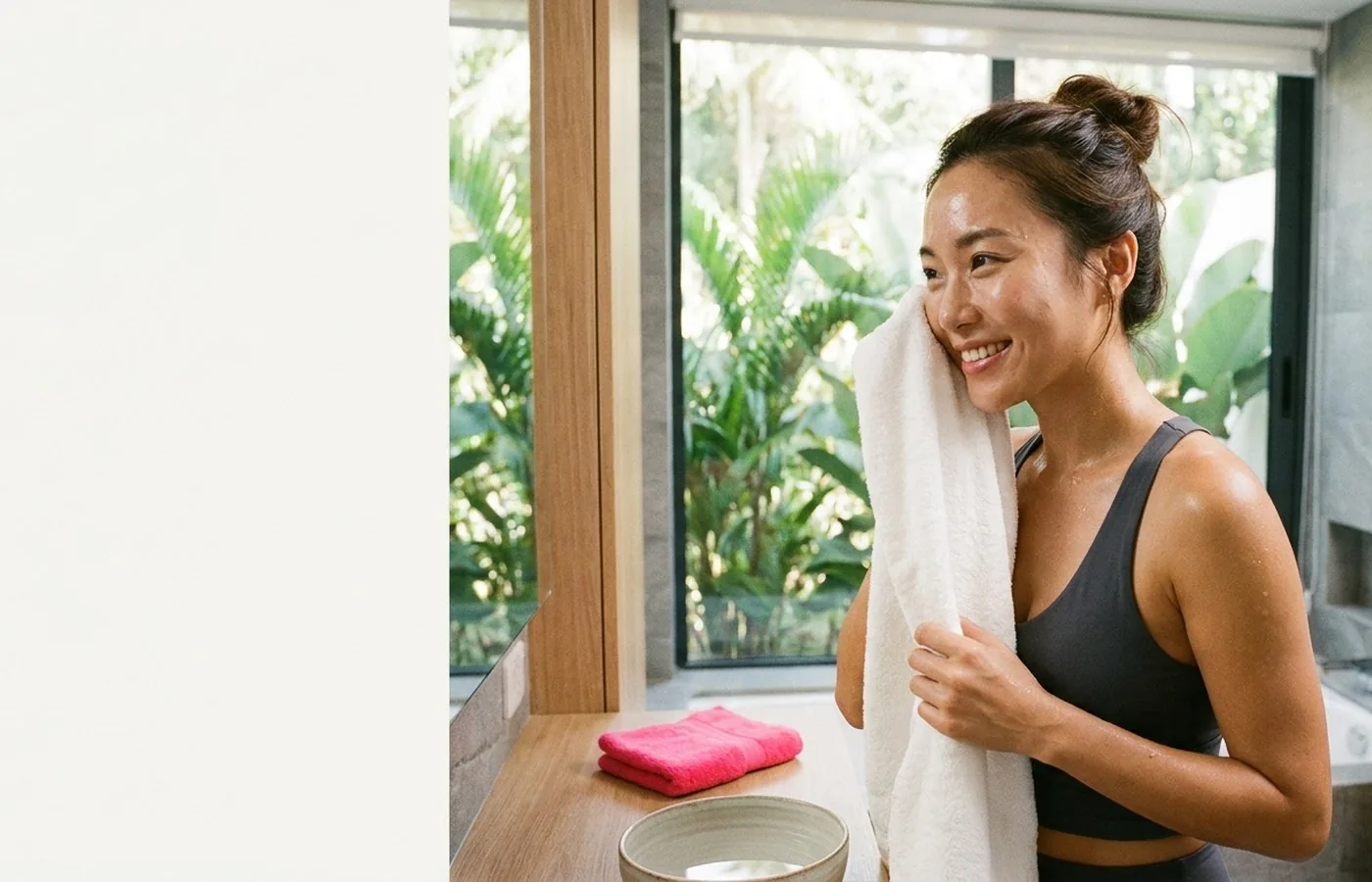
People who spend their careers in the spa and skincare industry, including small business owners like Pauline Ng of Porcelain, tend to develop a practical, unglamorous relationship with skincare, simply because they see so many skin types and habits up close. This piece is a general reflection on the kind of habits that industry perspective tends to favour, not a transcript of anyone's specific advice or a claim about any one person's routine.
Key points
- People in the spa industry often favour simple, consistent routines over trends.
- Gentle, repeatable habits tend to beat aggressive, occasional treatments.
- Skin reacts to sleep, stress, and diet, not just what you put on it.
- A good facial or treatment supports a routine. It does not replace one.
What a spa-industry perspective on beauty tends to look like
Spend enough time around estheticians, spa therapists, and small skincare business owners and a pattern tends to show up: the people closest to skincare day in and day out are often the least dramatic about it. They have usually seen every trend cycle come and go, and what tends to stick with them is less about chasing the newest treatment and more about steady basics done properly.
That does not mean professional treatments are pointless. It means the industry perspective often treats a facial or a mask as a boost on top of a decent daily routine, not a replacement for one. If your own routine has been inconsistent, the lifestyle hub has more restored content on building simpler beauty habits that hold up over time.
Eight habits that reflect that kind of thinking
- Cleanse properly, but without scrubbing skin raw every day.
- Treat sunscreen as non-negotiable, not optional in humid weather.
- Keep the routine simple enough that you will finish it, tired or not.
- Change pillowcases and face towels more often than feels necessary.
- Let skin rest between treatments instead of layering too much, too often.
- Pay attention to how skin reacts to specific foods and stress, not just products.
- Ask a professional before mixing strong actives together.
- Judge a routine over weeks, not after two uses.
None of this is exotic advice. It is closer to what people who deal with real skin, every single day, tend to recommend once the sales pitch is set aside.
Use this as a starting point, then adjust for your body, conditions and professional advice. A plan is useful only when it responds to you.
Why patience matters more than most people expect
One thing that tends to come up again and again around professional skincare is how long real change takes. Skin cell turnover is slow, so a new serum or a single facial rarely changes much on its own within a few days. People closer to the industry tend to talk in weeks and months, not overnight results.
That patience also shows up in how they treat stress and sleep as skin issues, not separate from them. If you are dealing with ongoing stress that seems to be affecting your skin along with everything else, our guide to sweat and skincare and the health hub both cover habits that support skin from more than one angle.
It is worth remembering that any individual professional's personal routine is their own choice, not a universal rule. The useful part is the general mindset: consistency first, treatments as a bonus, and patience with the process.
Small business owners in this space also tend to think in terms of long-term client relationships rather than one-off sales, which naturally pushes the advice toward what works over months, not what sounds impressive in a single session. That is a useful filter to apply to your own choices too, whether you are picking a treatment or a new product to try.
Turning a spa-industry mindset into your own beauty routine
You do not need to work in a spa to borrow the mindset that tends to come with it: fewer, better habits, done consistently, with occasional professional treatments layered on top rather than relied on as the whole plan. That shift alone tends to matter more than any single product swap.
It also means being a little more sceptical of anything promising an overnight transformation, whether that comes from a bottle or a single appointment. The steadier, less exciting approach tends to be the one that holds up once the initial excitement of a new routine wears off.
If you want more restored beauty content in this part of the archive, the lifestyle archive is where older SHAPE pages are being rebuilt with more of this kind of practical framing. The most useful beauty tip borrowed from industry professionals is rarely a secret ingredient. It is simply steadiness, applied for longer than most people are willing to wait.
How often should I get a facial if I want good skin?
There is no fixed rule. A facial works best as a supplement to a steady home routine, not a substitute for one.
Is it true that stress affects skin as much as products do?
Stress can affect skin through sleep, hormones, and habits like touching your face more, so it is worth treating as part of your skincare picture.
More on this topic from the archive: Beauty Habits That Make a Difference Over Time, A Practical Guide to Organic Spa Treatments in Singapore and What to Expect From a Pampering Spa Facial.
This article provides general education and is not a diagnosis or a substitute for personalised medical care. Stop exercise and seek appropriate help for severe, sudden or concerning symptoms.
8 Beauty Habits Worth Borrowing From People Who Work in Spas All Day: questions answered
Do spa professionals really use simple routines themselves?
+
Routines vary by person, but a general industry pattern favours consistent basics over constantly switching products, since professionals see how skin reacts over time.