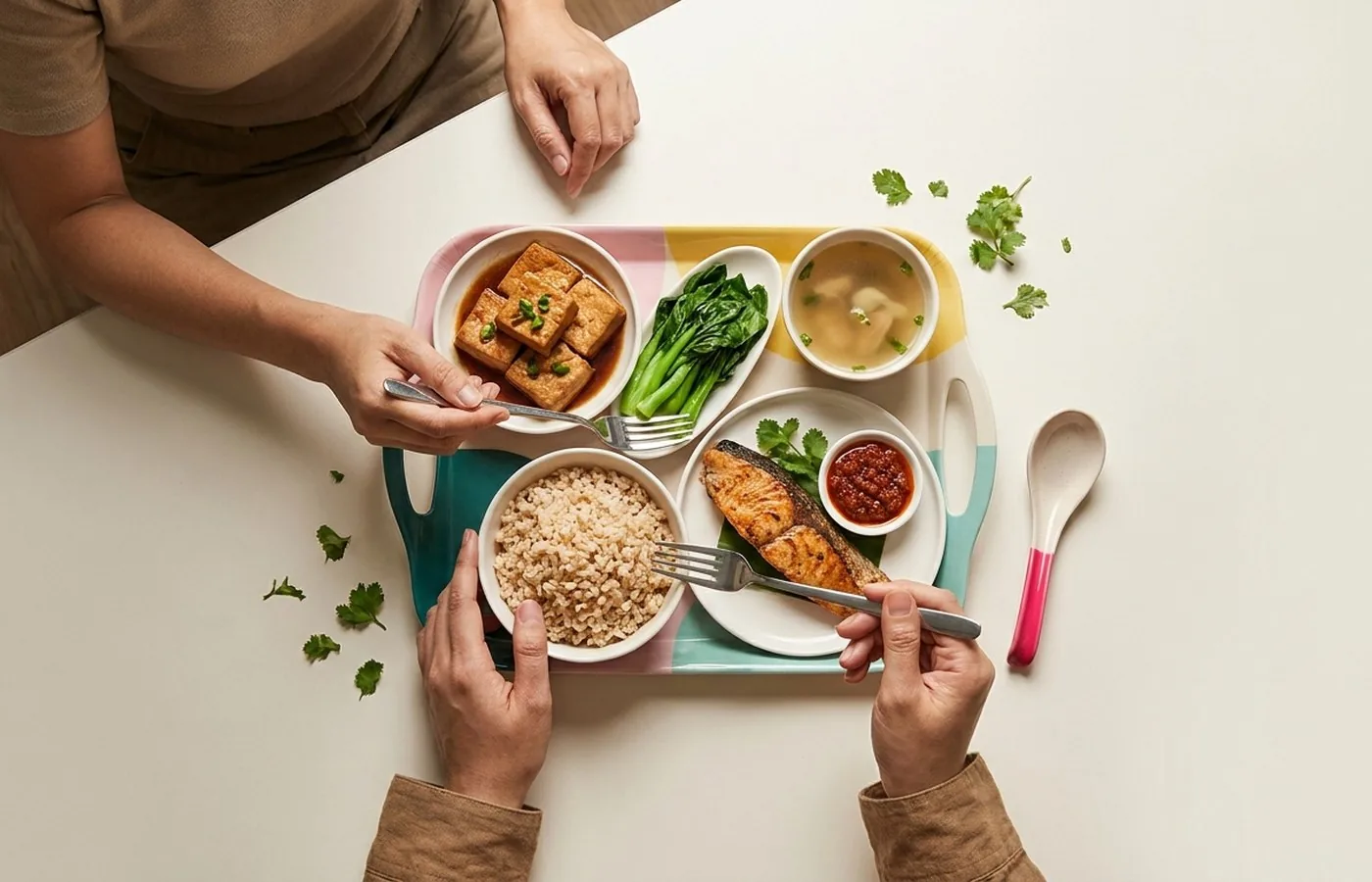
Salmon shows up on a lot of healthy-eating lists, but the farmed-versus-wild question rarely gets a straight answer. Neither one is automatically the healthier choice in every situation. What differs is the fat content, where the fish comes from, and how much that matters for your goals. Once you understand the real trade-offs, picking between them gets a lot less confusing.
Key points
- Farmed salmon usually has more total fat, which also means more omega-3s per gram in many cases.
- Wild salmon tends to be leaner, with flavour and texture that can vary by season and species.
- Sourcing and handling matter more for safety than the farmed-or-wild label alone.
- The better choice often comes down to budget, taste, and how you plan to cook it.
The main nutritional difference between farmed and wild salmon
Protein content between farmed and wild salmon is fairly similar per serving. The bigger difference shows up in fat. Farmed salmon is typically raised on a feed formulated to fatten the fish faster, which usually gives it a higher overall fat content than a wild fish that's been swimming and hunting for its own food. That extra fat isn't automatically a downside — a good chunk of it is the same omega-3 fatty acids that make salmon worth eating in the first place.
Wild salmon's fat content shifts with the season, the specific species, and how far it swam before it was caught. That means wild salmon can sometimes have less total fat and a slightly different texture — often described as leaner or firmer — compared with a farmed fillet.
If you're trying to hit a protein target for the day, either type works. The Balanced Meal Builder can help you see how a salmon serving fits into a full plate, and our guide to protein needs for active women is useful if you're trying to figure out how much protein you need overall.
What about contaminants and food safety
This is where a lot of the online debate lives, and the honest answer is that it depends more on the specific farm or fishing ground than on the farmed-or-wild label by itself. Fat-soluble compounds can build up more in fattier fish, which sometimes puts farmed salmon under closer scrutiny. Wild salmon isn't automatically free of concerns either, since contaminant levels depend on the waters it came from.
In practice, buying from established suppliers who follow food safety standards matters more than picking a side in the farmed-versus-wild debate. If you eat salmon regularly as part of a varied diet that includes other protein sources, the overall risk from either type is low for most people. Variety in your protein choices, not obsessing over one fish, is usually the more useful habit.
Cooking method plays a small role too. Grilling, baking, or steaming salmon rather than deep-frying it keeps the meal closer to what made salmon worth recommending in the first place, regardless of whether the fillet started life on a farm or in open water. A well-cooked piece of either type will usually beat an over-processed, heavily battered version of the "healthier" one.
Use this as a starting point, then adjust for your body, conditions and professional advice. A plan is useful only when it responds to you.
Taste, texture, and price differences worth knowing
| Factor | Farmed salmon | Wild salmon |
|---|---|---|
| Fat content | Usually higher | Usually leaner |
| Texture | Softer, richer | Firmer, can dry out faster if overcooked |
| Availability | Consistent year-round | Can be seasonal |
| Price | Generally cheaper | Usually pricier |
Neither column is a clear winner. If you like a richer bite and want consistent availability at a lower price, farmed salmon is a reasonable everyday choice. If you prefer a leaner texture and don't mind paying more or watching for seasonal availability, wild salmon might suit your cooking style better. Both grill, bake, and pan-sear well, though wild salmon's lower fat content means it can overcook faster.
Colour is another thing people notice at the fishmonger's counter. Farmed salmon tends to have a fairly uniform, often deeper pink or orange colour because of controlled feed, while wild salmon's colour can vary a bit more depending on species and diet in the wild. Colour alone isn't a reliable way to judge freshness or quality, so it's worth asking your supplier rather than guessing from appearance.
So which salmon should you buy
If your main goal is getting enough protein and omega-3s on a normal budget, farmed salmon does the job well and is usually easier to find and afford. If you're cooking for flavour and don't mind spending more, wild salmon can be worth it, especially in season. Neither one deserves to be treated as the "bad" option — most of the health difference between them is small compared with the difference between eating salmon regularly versus not eating fish at all.
If salmon is becoming a regular part of your meals, it's worth checking it fits into the rest of your week sensibly. The food section has more practical guides like this one if you're trying to build a pattern of eating that doesn't depend on picking the "perfect" ingredient every time.
Which one should I buy on a budget?
Farmed salmon is usually cheaper and more consistently available, which makes it a practical everyday choice for most people.
More on this topic from the archive: Salmon Four Ways: Burger, Wrap, Soup, and Poke Bowl and How to Build Your Own Salmon Poke Bowl at Home.
This article provides general education and is not a diagnosis or a substitute for personalised medical care. Stop exercise and seek appropriate help for severe, sudden or concerning symptoms.
Farmed Salmon or Wild Salmon: Which One Is Healthier?: questions answered
Is wild salmon always healthier than farmed?
+
Not automatically. Farmed salmon often has more omega-3s due to higher fat content, while wild salmon tends to be leaner. Neither is a clear overall winner.
Does farmed salmon have more toxins?
+
It can have more fat-soluble contaminants due to higher fat content, but sourcing and handling standards matter more than the farmed-versus-wild label alone.